Oracle’s reported layoffs signal a major AI infrastructure pivot with direct impact on VoIP, telecom cloud and business communications. As Oracle shifts billions toward data centers and AI capacity, providers face new questions about network resilience, cloud voice performance and the human expertise needed to keep VoIP systems running reliably
Oracle’s $5 billion investment in the UK’s data center expansion aims to bolster cloud computing and AI infrastructure over the next five years, aligning with the UK’s sovereign data processing regulations and AI strategy. This move enhances Oracle’s cloud infrastructure, boosting AI services and aiding the UK’s digital transformation.
Google’s investment of $75 billion in AI infrastructure promises to revolutionize the landscape by 2025. CEO Sundar Pichai emphasizes their approach, leveraging global cloud infrastructure to optimize computing power.
In a bold move, Microsoft has announced a hefty $2.1 billion investment in Spanish AI and Cloud infrastructure, sparking an unparalleled alliance with the Spanish government. The aim is to enhance citizen services, spark AI innovation and bolster national cybersecurity. Beyond the technological edge, this venture could also boost Spain’s GDP by €8.4 billion and generate around 69,000 jobs by 2030.
Amazon Web Services (AWS) is set to play a pivotal role in Japan’s artificial intelligence (AI) and cloud strategy, unveiling plans to invest a staggering 2.26 trillion yen ($15.3 billion) by 2027. The focus of this significant investment is the expansion of AWS’s cloud infrastructure in Osaka, aimed at accelerating the development and widespread adoption of AI and machine learning. Additionally, this move aligns with supporting enterprises in their digital transformation (DX) endeavors.
According to the most recent report from Canalys Cloud Channels Analysis, the worldwide spending on cloud infrastructure services has increased by more than one third (37.6%) year-on-year, soaring to USD 26.3 billion in the second quarter of 2019. The ranking of the leading cloud service providers remains unchanged, with Amazon Web Services (AWS) dominating at 36.1 percent growth, with revenue of over USD 8.3 billion, and a total market share of 31.5 percent. Microsoft Azure comes second with its sales growing by 63.6 percent to just under USD 5 billion, increasing its marketing share to 18.1 percent. In third place is Google Cloud with a 9.5 percent market share, followed by Alibaba Cloud in the fourth position. In total, cloud infrastructure revenue grew by USD 7.2 billion compared to a year ago, and the current expansion marks “the biggest ever quarterly increase in terms of value, highlighting the continued robust…

AWS’s new Chile cloud region boosts Latin America’s digital infrastructure, giving VoIP providers, telecom operators, and enterprises lower latency, stronger data sovereignty, and faster access to cloud services. With major investment, local jobs, and regional reach, AWS Chile could accelerate edge communications, AI workloads, and next-generation business connectivity solutions nationwide.
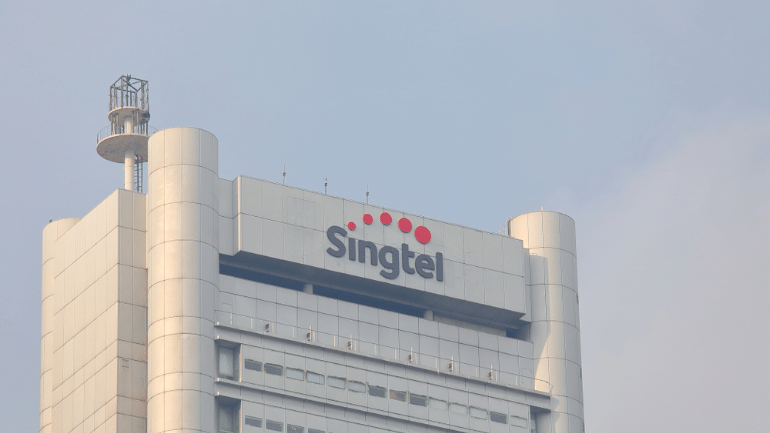
Singtel lifted its earnings outlook despite a headline profit slump, signaling stronger telecom and VoIP market momentum. Growth from NCS, Digital InfraCo, Optus, cloud, AI infrastructure, and data centers shows how the operator is shifting beyond traditional connectivity while expanding enterprise communications, mobile services, and digital infrastructure across Asia Pacific
AI infrastructure spending is echoing past telecom cycles, where costly fiber builds hurt investors but later powered cheaper networks. For VoIP providers, cloud communications, and telecom operators, the lesson is clear: data centers, power access, and utilization will shape future AI pricing, network economics, and next-generation voice services worldwide success.
Kyivstar’s $50 million GigaCloud acquisition signals a major shift in Ukraine telecom, sovereign cloud, and VoIP infrastructure. As operators across Europe battle over broadband, AI platforms, secure communications, and data center expansion, this deal highlights rising demand for resilient local cloud services powering enterprise connectivity, digital government, and next-generation VoIP.