Amid Black Friday’s digital communication surge, Sinch reported a 144% increase in AI-powered Rich Communication Services. Businesses increasingly favor rich messaging formats, blending traditional channels like SMS and email with interactive VoIP solutions. This shift underscores the essential role of AI in creating standout conversational experiences in competitive markets.

AT&T is suing T-Mobile over the new Easy Switch tool, alleging unlawful access to its systems using AI tools. This tool, promising quick network switches, is under fire for allegedly scraping customer data. The lawsuit highlights ongoing tensions and competitive tactics in the telecom industry’s battle for customer acquisition.
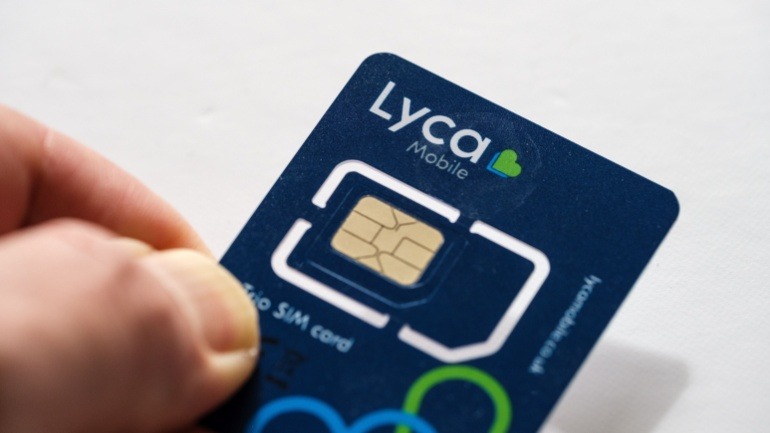
The rise of embedded SIMs, or eSIMs, heralds a transformative shift in mobile telecommunications, championed by leaders like Lyca Mobile. As the industry adopts these innovative solutions, the eSIM’s potential to enhance connectivity and customer experiences becomes undeniable. By eliminating physical cards, eSIM technology supports seamless interoperability across platforms. This advancement simplifies device-switching and optimizes user choices, positioning eSIMs as the future of digital connectivity. Enhanced security and reduced environmental impact further promote widespread eSIM adoption, promising a dynamic and adaptable mobile communication landscape.
Nokia and Telefónica Germany have extended their partnership to modernize the radio access network and accelerate 5G rollout, vital for Germany’s digital transformation. Nokia’s energy-efficient, AI-capable AirScale RAN solutions will enhance coverage and performance, while Cloud RAN and AI-driven tools promise advanced network management. This collaboration highlights their commitment to a connected future.
AT&T’s recent shutdown of its DEI initiatives aims to gain a crucial spectrum deal with UScellular. By acquiring key spectrum bands, AT&T intends to strengthen its competitiveness in the mobile market. This step echoes a broader industry trend, as telecoms prioritize business expansion over diversity commitments, stirring contentious debates.
Macquarie Technology Group is innovating to meet Australia’s growing demand for AI and cloud computing. With a groundbreaking 150MW data centre project, they explore funding strategies like capital recycling and joint ventures. These efforts position Macquarie as a dynamic leader in leveraging VoIP and cloud technologies, shaping Australia’s digital future.
Meta’s recent announcement to update WhatsApp Business terms by removing Microsoft Copilot and ChatGPT by January 2026 signals a significant shift for organizations relying on these tools. This change necessitates swift evaluation of AI alternatives and urges businesses to rethink multi-channel AI strategies to avoid vendor lock-in while maintaining efficiency through adaptive solutions.
In the dynamic realm of travel operations, seamless communication is essential. Airlines are transforming with Microsoft Teams, elevating their real-time operations. This unified workspace fosters prompt decision-making during disruptions, crucial for operational agility. Airlines like Gulf Air and Air India exemplify enhanced crisis management using Teams. Operational efficiency and enhanced communication streamline collaboration, bolstering response strategies.
BT Group is navigating market challenges under CEO Allison Kirkby, with an emphasis on “solid delivery” in voip services and network development. Despite competitive pressures, BT is transitioning to a more asset-light strategy, focusing on innovation and strategic partnerships. Cybersecurity remains a top priority as BT invests in robust protection measures.
The recent rollback by the FCC on national cybersecurity standards for telecommunications companies marks a pivotal shift, sparking debate over regulatory approaches in network security. As this landscape evolves, VoIP solutions providers like Vodia Networks lead the way by prioritizing cybersecurity with robust features that urge the industry to go beyond minimal compliance.