


Europe’s fragmented IoT landscape is reshaping telecom strategy as 2G shutdowns, 4G expansion, 5G rollouts, satellite links, and sovereignty rules challenge global connectivity. Vodafone IoT says AI-driven orchestration will help enterprises simplify cross-border devices, strengthen VoIP-ready networks and deliver reliable, scalable communications across complex national markets for connected businesses worldwide

BT Business launches AI from BT, bringing AI Receptionist automation to UK small businesses using fixed and mobile VoIP networks. The service answers calls, books appointments, integrates calendars, and reduces missed opportunities, helping firms modernize customer service securely without replacing existing phone systems or business numbers for better call handling

Samsung’s physical AI vision could reshape VoIP and telecom networks with ultra-low latency, reliable private 5G, smarter edge computing, and AI-driven automation. Trials with KT and SK Telecom will test robots, video analytics, and industrial safety, showing how next-generation connectivity may power real-time communications, private networks, and future 6G innovation.

Verizon is moving beyond basic network automation toward agentic AI that can reason, coordinate, and act across complex telecom domains. For VoIP providers, 5G, Open RAN, and smarter network intelligence could improve call quality, uptime, and real-time performance while keeping engineers in control of critical voice traffic decisions at scale

Zain KSA is boosting VoIP performance and digital service reliability across Saudi Arabia with Nokia Deepfield Cloud Intelligence deployed in more than 100 cities. The AI-ready network intelligence platform gives real-time traffic visibility, helping engineers detect congestion, optimize 5G capacity, improve cloud connectivity, and support voice, video and enterprise communications.

Ciena Ventures launches with 200 million to accelerate AI networking optical connectivity and next generation telecom innovation For VoIP providers and network operators the fund signals faster advances in data center interconnects automation and high capacity infrastructure needed to support low latency voice cloud communications and future digital services growth

AI assistants can already write emails, search for information, and complete tasks. The next step is enabling them to communicate directly with people across the channels businesses already…
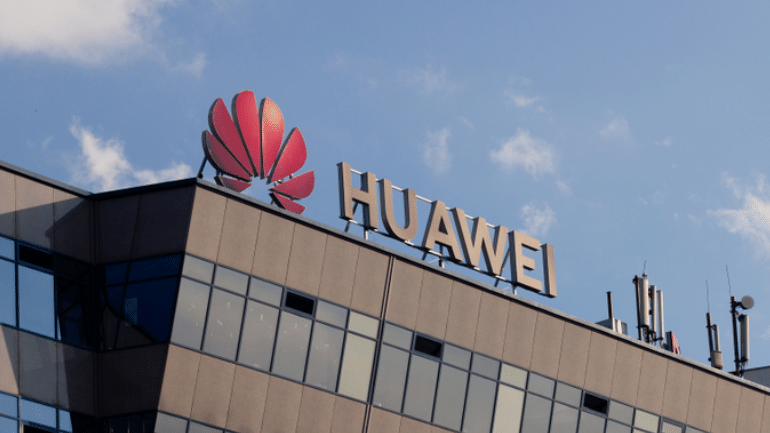
Huawei’s new optical network solutions spotlight how AI-ready fibre can transform enterprise connectivity, VoIP performance, and real-time communications. From F5G-A to intelligent campuses and data centres, Huawei is pushing low-latency, high-bandwidth infrastructure that supports smarter operations, resilient cloud voice services, and future-ready industrial AI deployments across connected sectors globally today.

Submer’s Corenix targets AI-ready modular data centres that could reshape VoIP infrastructure, cloud communications, and telecom network planning. By factory-building high-density modules with Nvidia designs, Corenix aims to speed deployment, improve reliability, and support low-latency connectivity as operators scale voice, video, and AI-driven digital services across next-generation networks more securely

Telecom operators are turning AI infrastructure, GPU-as-a-Service, and sovereign AI platforms into new enterprise revenue engines. For VoIP providers, the opportunity lies beyond compute: delivering secure AI services, smarter communications, automation, and measurable business outcomes through marketplaces, flexible billing, and partner ecosystems that make AI easy to buy and scale.
