

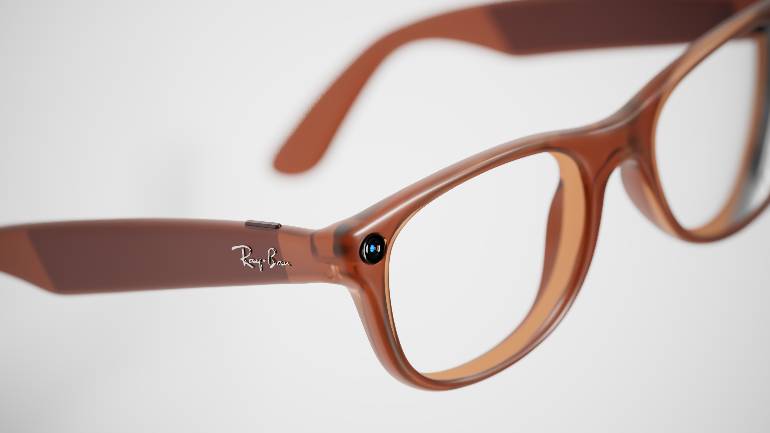
Smart glasses are entering VoIP and unified communications strategies, but privacy fears could define adoption. As European regulators scrutinize wearable cameras, vendors must prioritize visible recording alerts, GDPR-ready safeguards, and trust-first design. For enterprises, secure smart glasses may transform remote assistance, collaboration, and frontline communications without normalizing covert public recording
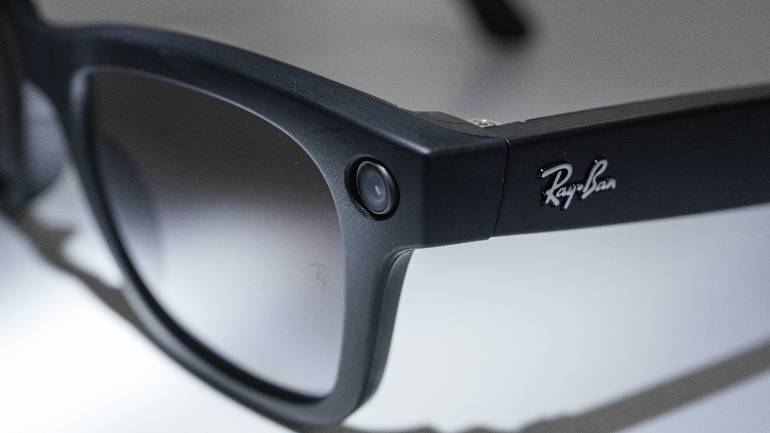
Wetherspoon’s clarification on Meta smart glasses highlights a growing VoIP and unified communications challenge: wearable devices enable calls, recording, livestreaming, and AI assistance in public venues. As smart glasses blur privacy boundaries, pubs, retailers, and workplaces need clear policies that protect customers, guide staff, and support responsible communication innovation today.

Samsung Galaxy XR is shifting from flashy headset to enterprise-ready platform, with Android Enterprise, Knox security, Wi-Fi 7, and remote management. For VoIP and unified communications teams, its promise lies in immersive training, healthcare workflows, and collaboration pilots where secure device control, scalable support, and measurable business outcomes matter most.

Yealink BH78 brings AI-powered noise cancellation to hybrid work, helping VoIP users enjoy clearer calls in offices, homes, cafés, and on the move. With Adaptive Hybrid ANC, four microphones, and Acoustic Shield 3.0, this UC headset improves voice quality, reduces distractions, and supports productive business communications anywhere for modern teams.

Apple’s reported 2027 smart glasses could redefine VoIP communications, bringing hands-free calling, AI assistance, live translation, and workplace collaboration to field teams and mobile professionals. With privacy safeguards crucial for enterprise adoption, Apple may turn smart eyewear into a secure communications endpoint for the future connected workplace and telecom innovation
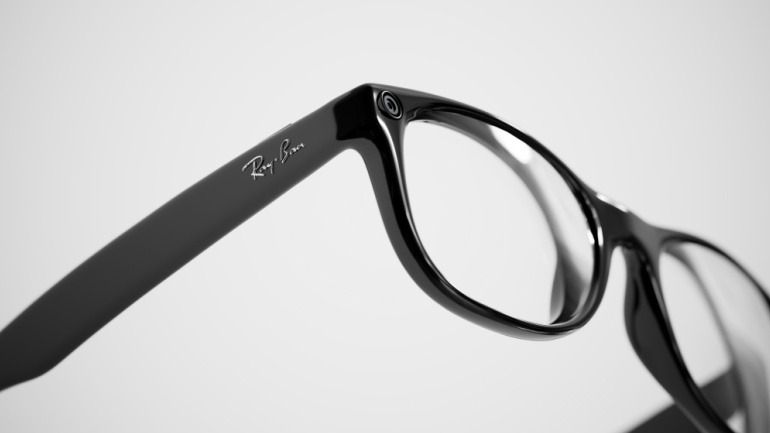
Meta’s $299 smart glasses could reshape wearable AI for VoIP, telecom, and enterprise communications. With hands-free calling, remote support potential, visual AI, and connected endpoint use cases, the devices offer businesses a practical path to smarter collaboration while raising questions about privacy, deployment, and everyday user value in the workplace

Jabra’s PanaCast U30 is revolutionizing small meeting spaces with its cutting-edge USB video bar designed for flawless BYOD video collaboration. Designed for rooms up to six people, this plug-and-play solution ensures seamless integration with platforms like Microsoft Teams or Zoom. Featuring a 120-degree wide-angle view, Intelligent Zoom, and six integrated microphones, the PanaCast U30 transforms compact areas into powerful, efficient meeting zones, perfect for businesses aiming to optimize hybrid work models.
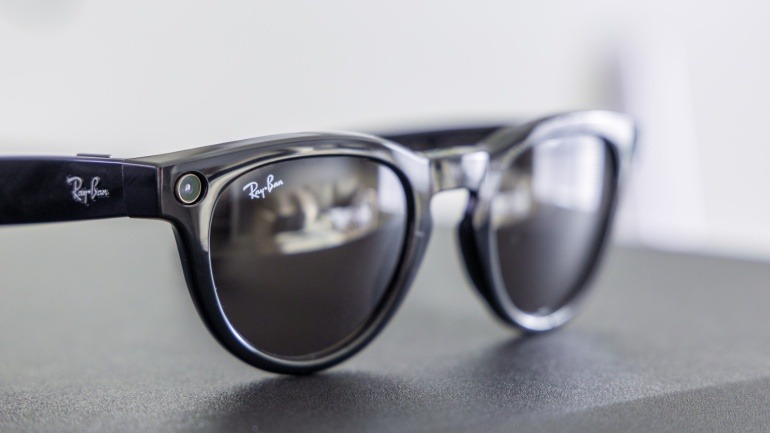
The latest update to Meta’s Ray-Ban smart glasses introduces groundbreaking features like Neural Handwriting, which revolutionizes user interaction by allowing command inputs through subtle finger gestures. These advancements expand beyond typical notifications, integrating enhanced WhatsApp capabilities and AR recording, signaling a new era in smart glasses functionality.
BenQ’s latest RP05 interactive display promises to revolutionize classroom and office collaboration with robust on-device AI, Android 15, and Google EDLA certification. Its AI-driven features like real-time content enhancement and automated transcription make it a top choice for interactive learning and teamwork, minimizing external hardware reliance.

Nvidia CEO Jensen Huang anticipates significant growth in China’s AI market by selling modified AI chips, contingent on U.S. licensing. Nvidia aims to capture a share of this expanding market, projected to reach $50 billion by 2025. Huang actively lobbies for favorable U.S. export licenses to penetrate further into China’s AI sector.
