Author

Gintare Jakonia

Browsing

Google’s Chrome browser for Android is set for an AI-driven transformation with Gemini 3.1. Introducing autonomous browsing features, Chrome will enhance user interaction with an AI assistant able to summarize articles and perform multi-step tasks. This elevates device management and data governance priorities for IT leaders, requiring rigorous policy adaptations.

Indosat Ooredoo Hutchison, a leading telecommunications operator in Indonesia, is strategically expanding its neocloud business. With projections of reaching $170 million in revenue over the next three years, the company is not only enhancing its telecom services but also integrating AI and cloud-based solutions. This approach aims to improve customer experiences and generate significant growth.

OpenAI’s Daybreak revolutionizes cybersecurity by integrating advanced AI into software development. By leveraging Codex Security, it proactively identifies security gaps, ensuring vulnerabilities are caught earlier. This AI-driven approach streamlines threat detection and remediation, garnering support from industry leaders like Cisco and CrowdStrike. Daybreak marks a pivotal shift in cybersecurity dynamics.

Telus is set to enhance its sovereign AI infrastructure in Canada, unveiling new AI data centers in British Columbia. Responding to the heightened demand since their Quebec launch, this project, supported by the federal government, aims to boost AI capabilities with state-of-the-art technology and sustainability initiatives. Exciting times for VoIP and AI enthusiasts await.

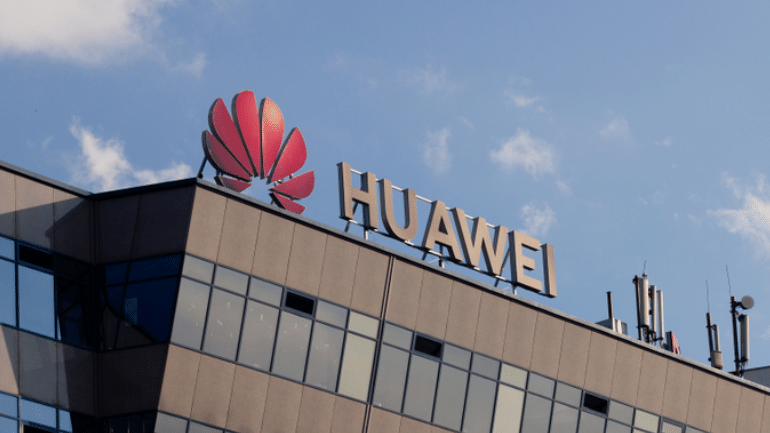
China’s leap into 6G technology heralds a transformative era for VoIP and telecommunications. With the Chinese Ministry of Industry and Information Technology allocating the 6GHz band for real-world testing, this pivotal move underscores China’s ambition to lead the 6G revolution. The trials, involving giants like Huawei and ZTE, innovate VoIP’s future connectivity.

VoIP industry professionals should closely monitor upcoming FCC policy changes as they could impact global device manufacturing and testing protocols. The potential removal of foreign labs and certification bodies from non-trade agreement countries aims to bolster security measures. This shift may affect international VoIP equipment compliance and cost structures significantly.

 DIDWW, a global provider of premium quality VoIP communications and SIP trunking services to operators and businesses all over the world, has significantly advanced its A2P SMS services with increased coverage across the Latin American region. Customers can now access an array of new routes that provide secure and scalable messaging for business communications. This major expansion covers a broad range of countries across LATAM, including Argentina, Bolivia, Brazil, Chile, Colombia, Costa Rica, Cuba, the Dominican Republic, Ecuador, El Salvador, Guatemala, Honduras, Mexico, Nicaragua, Panama, Paraguay, Peru, Uruguay, and Venezuela. These wide-ranging routes enable businesses to send SMS messages throughout the region via secure A2P channels with scalable infrastructure and optimized performance, enabling effective customer outreach and engagement. Designed to support large-scale messaging operations, the DIDWW SMS service guarantees consistently high delivery rates across all markets. The carrier’s advanced global infrastructure enables high-quality SMS services by optimizing message deliverability, minimizing delays, and…