


DE-CIX and CVTelecom plan a South Atlantic data corridor linking Lisbon and São Paulo, creating faster, more resilient connectivity for Europe, West Africa, and Latin America. The route could improve VoIP performance, reduce latency, support cloud communications, and give carriers, enterprises, and service providers stronger global interconnection options for growth

Orange Business will power the EU TESTA-EIRIS secure communications network, strengthening private connectivity, VPN protection and digital resilience for public administrations. With network and security operations across Europe, the project highlights growing demand for trusted VoIP, cloud and telecom infrastructure built for sovereign, cybersecure government services at scale today securely

Subco’s Indo-Pacific subsea hypercable expansion promises faster, more resilient connectivity for AI, cloud, and VoIP traffic across Australia, Japan, Guam, Singapore, and the US. With APX North, APX-2, and APX West targeting 2029, carriers can expect lower latency, stronger redundancy, and scalable bandwidth for next-generation communications and voice services worldwide.

EXA Infrastructure’s Meridian subsea cable will boost US-UK connectivity with 500 Tbps capacity by 2029, strengthening transatlantic bandwidth for cloud, AI, carriers, and VoIP providers. Linking New Jersey to Brean, the single-operator route promises resilient, high-capacity network options for enterprises planning future voice and data services across global communications markets

USTDA-backed THUS subsea cable could transform VoIP connectivity between Thailand, Southeast Asia, and the United States. By avoiding the South China Sea, the 18,500-kilometer route promises lower latency, stronger network resilience, secure cloud access, and expanded international capacity for carriers, data centers, AI platforms, and business communications across Asia-Pacific markets.

Orange has launched Europe’s first Telesat Lightspeed LEO satellite gateway in France, boosting resilient VoIP connectivity for enterprises, defense, and remote operations. By linking satellite, fiber, and submarine networks, Orange strengthens mission-critical communications, data sovereignty, and backup voice services as next-generation low-Earth orbit telecom services approach commercial rollout in 2028.
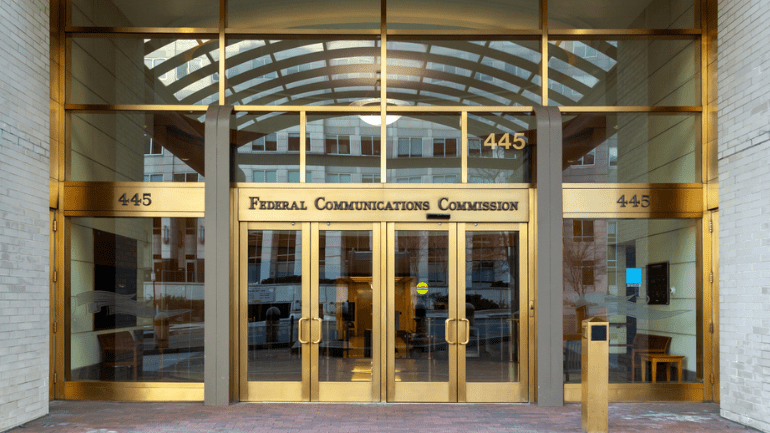
The FCC rip-and-replace program faces fresh delays as rural telecom and VoIP network providers remove Huawei and ZTE equipment. Despite repaying a 3.08 billion Treasury loan, carriers cite supply chain issues, tower crew shortages, ransomware, and reimbursement slowdowns, highlighting ongoing challenges for secure 5G, mobile, and communications infrastructure nationwide upgrades

European telecom operators are prioritizing resilient VoIP networks, cybersecurity, fiber broadband, and customer trust amid drone strikes, DDoS threats, data breaches, and regulatory pressure. From Kyivstar’s uninterrupted service to Nokia-powered protection and France’s fiber expansion, the sector shows why secure connectivity matters for modern voice, broadband, and business communications services

Nokia and Orange France have trialled optical network tomography, offering telecom operators deeper fibre visibility without extra probes. By detecting degradation, amplifier faults and configuration errors earlier, the technology could improve VoIP service reliability, protect SLAs, reduce outages and support smarter 5G transport networks as traffic demand continues to rise.

Digital Realty’s new 6.4MW Nairobi data centre strengthens East Africa’s cloud, telecom, and VoIP infrastructure. With 100+ network connections, internet exchanges, and satellite resilience, NBO2 boosts low-latency hosting, interconnection, and hybrid IT, giving carriers, enterprises, and VoIP providers faster, more reliable routes while supporting mission-critical communications regionwide.
