

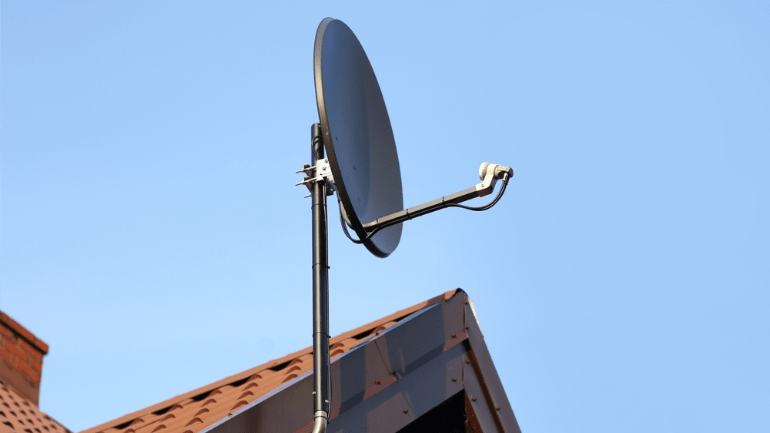
SES and JioStar’s multi-year India satellite deal highlights how resilient broadcast infrastructure supports modern connectivity, from DTH television to VoIP network continuity. Using SES IS-20, the partnership expands reliable content delivery across cities and remote regions, reinforcing hybrid satellite, fiber, and IP strategies for scalable communications growth in South Asia
NTT and Cailabs are advancing laser-based satellite communications that could bring fiber-like speed, lower latency, and stronger capacity to global networks. By linking optical ground stations, APN data centers, and space infrastructure, the partnership supports scalable VoIP, cloud, enterprise connectivity, telecom backhaul, and real-time communication services in hard-to-reach areas worldwide.

Satellite direct-to-device services are reshaping mobile spectrum policy, opening new possibilities for VoIP connectivity, rural coverage, emergency calling, and 5G integration. As regulators balance NTN innovation with interference risks, telecom providers must prepare for a converged future where mobile networks, satellites, and voice over IP services work together globally securely.

SpaceX’s next Starship flight could boost Starlink broadband with 26 high-capacity V3 satellites, adding massive bandwidth for rural connectivity, mobile service, and future direct-to-device voice. For VoIP providers and users, stronger low-Earth orbit capacity may mean better call quality, lower latency, and expanded satellite internet coverage where fiber cannot reach.
SpaceX’s Starlink direct-to-device roadmap could reshape VoIP, mobile connectivity, and 5G communications by bringing satellite-powered smartphone service to market in 2028. With plans for low-Earth orbit coverage, spectrum flexibility, and carrier alternatives, the move may reduce dead zones and redefine voice, roaming, and broadband access for global enterprises and users

India’s satellite broadband market is nearing commercial launch as DCC approves a 5% AGR spectrum usage charge. With Starlink, Eutelsat OneWeb, Jio Satellite, and Amazon Leo advancing, improved rural connectivity could boost VoIP services, low-latency calling, cloud communications, and digital access across underserved regions, despite regulatory cost challenges still ahead

Orange Wholesale CEO Michaël Trabbia warns Europe must speed satellite connectivity to rival Starlink and SpaceX As LEO networks Direct-to-Device services and secure sovereign communications reshape telecom VoIP providers should watch new coverage resilience spectrum and mobile voice opportunities emerging from IRIS² and Europe’s push for network independence and growth

Comcast Technology Solutions’ multi-year A+E Global Media deal streamlines premium video-on-demand distribution through Comcast MediaExpress and Media360. For VoIP and telecom professionals, the partnership highlights cloud-based video delivery, scalable networks, metadata automation, and reliable OTT, MVPD, vMVPD, and FAST workflows reshaping modern broadcast content operations for next-generation connected viewers worldwide

O2 Business has launched O2 Satellite for Business, bringing direct-to-device satellite connectivity to UK companies beyond mobile coverage. The service helps VoIP teams, field workers, and emergency responders stay connected via compatible smartphones, supporting messaging, maps, weather, and location sharing while strengthening resilient business communications across remote areas and gaps.

Microsoft and AWS are reshaping multicloud networking with a managed private interconnect between Azure and AWS. For VoIP providers and enterprise communications teams, programmable cloud-to-cloud connectivity promises lower latency, stronger security, and scalable bandwidth for AI, UCaaS, SIP trunking, SD-WAN, and mission-critical voice traffic across hybrid environments worldwide enterprise networks.
