


The UK PSTN switch-off is nearing, and millions still need guidance on moving to digital voice. From VoIP landlines to telecare alarms, connected devices must be checked before 31 January 2027. Providers and households must act now to ensure reliable phone service, emergency calling, and smooth full fibre migration readiness

Europe’s fibre market is shifting from rapid buildout to targeted high-capacity connectivity for AI cloud data centres and VoIP networks. Neos Networks says operators must stitch fragmented infrastructure into resilient cross-border services improving latency reliability and enterprise communications while attracting investment through clear demand and smarter network planning for growth

UK telecoms faces a wake-up call as Kearney ranks the sector near last for health. Fragmented markets, costly fibre rollout, 5G capacity gaps and weak customer sentiment threaten VoIP performance, business connectivity and digital growth. Experts urge consolidation, smarter regulation and wholesale competition to build reliable, future-ready networks across Britain
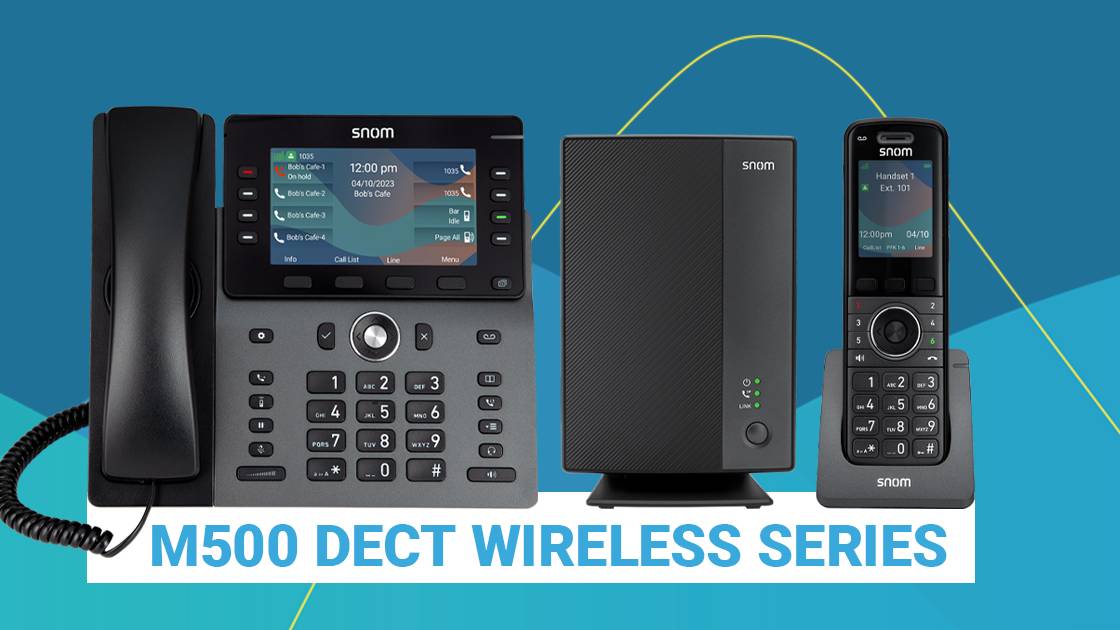
Telinta, a global leader in cloud-based VoIP switching and billing solutions, and Snom, a leader in communication technology, today announced a solution for automated provisioning of Snom M500 phones…

Deutsche Telekom is accelerating AI infrastructure, sovereign cloud, and fiber rollout to strengthen Europe’s secure digital backbone. For VoIP providers and enterprise communications teams, faster fiber, trusted cloud, and network modernization promise better voice quality, lower latency, and scalable unified communications, despite broadband churn and competitive pressure in key markets.

Orange is reshaping Europe’s telecom market with stronger revenue, rising cash flow, and bold investments in fiber, 5G, AI infrastructure, and acquisitions. For VoIP providers and enterprise communications leaders, its expansion signals faster cloud connectivity, scalable voice services, and opportunities across fragmented European networks amid growing debt pressure and competition.

Digi Spain’s planned IPO could reshape Spain’s telecom and VoIP market, as low-cost challenger Digi Communications seeks fresh capital for expansion. With anchor investor backing, fierce competition from Telefónica, Vodafone Spain and MásOrange, and rising demand for affordable connectivity, the listing tests investor confidence in Europe’s disruptive communications model strategy.

China’s mobile boom is reshaping telecom, with 5G-Advanced, AI networks, cloud services, and future 6G expected to add $2.1 trillion by 2030. For VoIP providers, stronger uplink speeds, edge computing, and intelligent connectivity unlock better voice quality, enterprise communications, and scalable business VoIP opportunities across China’s expanding digital economy market

Reliance Jio’s IPO is set to reshape India’s VoIP and telecommunications landscape, potentially raising $3.8 billion. The company’s evolution highlights its dominance with over 500 million subscribers since 2016. Expanding into sectors like fibre broadband and AI, Jio’s strong infrastructure makes it a key player in India’s digital economy.

The artificial intelligence networking market is set to skyrocket, with Ciena predicting it will hit $50 billion by 2029. This explosive growth highlights the increasing emphasis on network infrastructure investments driven by AI innovations. Hyperscalers, such as cloud and internet service providers, are leading the surge, enhancing intelligent connectivity.
