Lockheed Martin has shown a new way to monitor low-altitude airspace.
Its NetSense system uses existing 5G network signals to detect drones. The company tested the platform with Verizon, Nvidia, Keysight Technologies, ODC, and Astris AI. The demonstration took place near Miami in July 2026.
The trial tracked real drones across a live Verizon 5G network. Lockheed said the site was a “crowded site,” not a controlled test range. That matters because real wireless environments create unpredictable signal conditions.
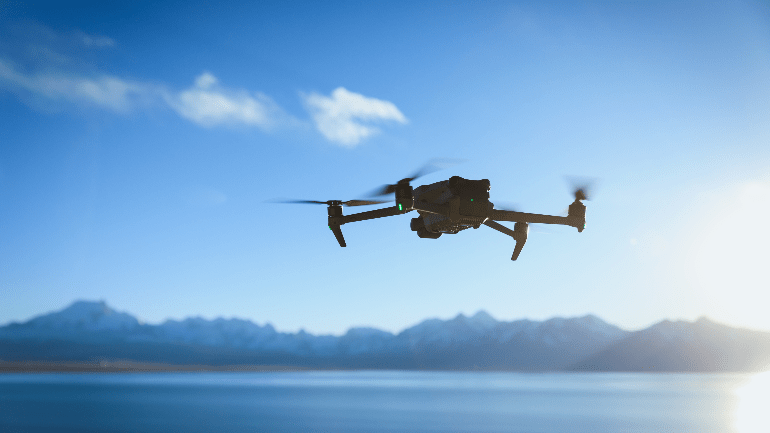
NetSense reads small radio-frequency changes caused by moving drones. These changes appear inside normal cellular bands. The system then uses AI to classify the object and predict its path.
Importantly, Verizon did not modify its deployed radios. That gives the project its strongest commercial argument. Cities and site owners could avoid new radar installations. They could instead use infrastructure already deployed across urban areas.
Traditional drone-detection systems often require dedicated sensors. These systems can also demand long installation timelines. NetSense aims to make deployment feel more like software activation. That could appeal to stadiums, ports, energy sites, and public safety agencies.
However, the same approach also brings limitations. NetSense depends on network coverage and signal quality. Rural areas with sparse 5G service may see weaker performance. Dense cities bring another challenge: radio noise.
Urban areas reflect and scatter wireless signals constantly. Buildings, vehicles, and users can all distort the radio environment. AI must separate normal interference from actual drone activity. Independent false-alarm data will be critical for buyer confidence.
The technical stack also shows where telecom networks are heading. ODC provides AI-RAN software for detailed radio metrics. Nvidia supplies edge computing for fast analysis near the network. Lockheed adds the tracking and threat-classification algorithms. Keysight supports simulation and performance validation.
Astris AI, a Lockheed subsidiary, will manage the service. NetSense will launch as “Airspace Awareness-as-a-Service.” Pilot deployments should begin in late 2026 and early 2027. Wider commercial availability is targeted for 2027.
The subscription model could reduce upfront spending for customers. Yet important commercial details remain undisclosed. Pricing, data ownership, and contract responsibilities still need clarity. These points will matter for public agencies and private operators.
Privacy questions also deserve attention. A telecom-based sensing system can raise civil liberties concerns. Operators must explain what data gets collected and stored. They must also define clear limits on system use.
Lockheed frames NetSense as a response to a “gap in public protection.” Drone risks are real and growing. Illegal surveillance, smuggling, and attacks remain serious security concerns.
Still, the broader telecom story may prove even bigger. Integrated sensing and communications is central to the 6G roadmap. NetSense suggests operators may start that journey early. If validated, 5G networks could become security sensors, not just data pipes.