Satellite, 5G, Wi-Fi, and terrestrial mobile networks are converging to reshape VoIP connectivity. From IRIS² to Starlink, hybrid telecom integration promises resilient voice, video, and data services for remote industries, emergency networks, and underserved users while terrestrial operators remain essential for dense urban coverage and indoor mobility in modern communications.
SpaceX’s Starlink mobile network plan could reshape VoIP connectivity by combining direct-to-cell satellites with terrestrial small cells. Targeting dead zones, rural coverage, and always-connected devices, Starlink aims to challenge AT&T, Verizon, and T-Mobile while creating new opportunities for satellite VoIP, 5G backhaul, emergency communications, and next-generation mobile broadband services nationwide
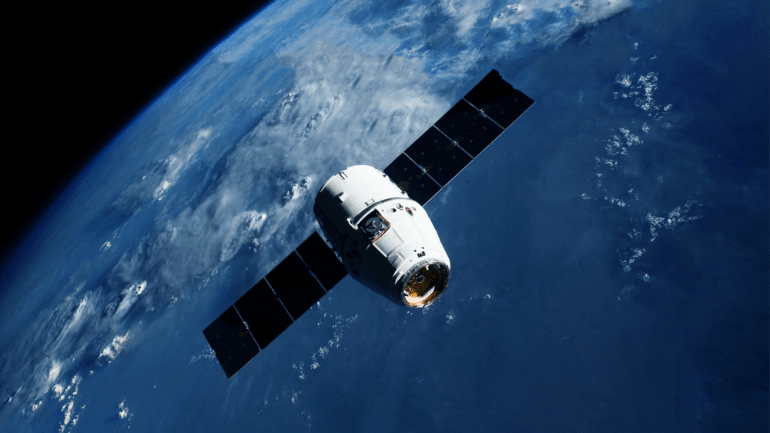
Amazon’s 5,105-satellite plan could reshape VoIP connectivity by bringing direct-to-device coverage into everyday telecom networks. For carriers, enterprises, and remote users, satellite-enabled VoIP calling, emergency messaging, and resilient communications may close coverage gaps where 5G, fiber, or Wi-Fi fail, supporting managed voice, SIP trunking, and cloud phone services worldwide reliably
Amazon’s proposed Leo Direct-to-Device network could reshape VoIP connectivity by linking standard smartphones to low Earth orbit satellites when cellular coverage fails. Targeting voice, messaging, data, emergency services, and enterprise mobility, the satellite-to-phone plan signals a major new layer for unified communications, remote teams, fleet operations, and IoT deployments worldwide.
India’s tighter review of foreign satellite broadband could reshape VoIP connectivity, rural internet access, and telecom security. As Starlink, OneWeb, and SES face scrutiny, Reliance Jio is advancing sovereign satellite plans, leasing capacity, and building ground stations to support secure, low-latency broadband for future voice over IP services nationwide deployment.
The European Commission’s proposal to allocate the 2GHz mobile satellite spectrum opens doors for satellite giants like Starlink and Amazon to bid on this prime resource. This strategic move could outpace traditional telecoms, offering high-speed internet straight to devices. With equal distribution between EU and non-EU operators, Europe’s spectrum vision aims to foster technological independence and boost competitiveness.
The evolving D2D satellite connectivity landscape in Europe is transforming mobile services. A recent Omdia report indicates a 22% engagement surge from European mobile operators in this innovative technology. As D2D integrates into existing systems, it enhances coverage, ensuring network resilience. European providers gain a unique edge by enabling direct satellite connections for unmodified smartphones, merging seamlessly with traditional networks.
T-Mobile’s SuperBroadband revolutionizes business connectivity by merging 5G with Starlink satellite service, reaching every U.S. ZIP code. This dual-path approach ensures uninterrupted service, crucial for industries like retail and healthcare. The offering simplifies contracts, highlights 99.999% uptime, and caters to small businesses, enhancing reliability and operational efficiency.
Amazon’s strategic acquisition of Globalstar for $11.5 billion is a game-changer in the satellite communications arena. This bold move enhances Amazon’s low-Earth orbit capabilities, directly challenging competitors like Starlink. With the integration of Globalstar’s infrastructure, Amazon aims to revolutionize its Leo initiative, enhancing direct-to-device services and advancing private 5G networks.
The Asia Pacific region serves as a dynamic field for satellite broadband expansion, showcasing varied connectivity scenarios. Low Earth orbit systems like Starlink, orbiting nearer Earth, address latency issues ideal for high-demand applications like VoIP and video calls. These innovations are crucial where geography complicates fiber adoption, offering timely, albeit costly, solutions.