


Mistral and HUMAIN’s Saudi Arabia partnership could reshape VoIP, telecom AI, and Arabic voice technology across the Middle East. By combining sovereign AI infrastructure, cybersecurity models, and local data centre capacity, the deal promises smarter contact centres, faster threat detection, and more reliable cloud communications for operators and enterprises regionwide

Verizon’s expanded Google Cloud partnership brings Gemini Enterprise AI into customer service, network operations, security, and data management. For VoIP and telecom providers, the move highlights how AI-powered automation, smarter contact centres, and autonomous networks can improve customer experience, streamline operations, and shape the future of enterprise communications services today.

Qualcomm’s appointment of Sergio Buniac signals a major push into Snapdragon-powered mobile, PC, wearable and AI devices. For VoIP providers and telecom leaders, stronger on-device AI, faster compute and connected experiences could enhance voice services, edge communications, collaboration tools and next-generation business VoIP performance across emerging personal technology ecosystems worldwide

Google’s $10 million purchase of Spirit Airlines’ email, Microsoft Teams, OneDrive, and SharePoint archives signals a new era for enterprise communications data. For VoIP and unified communications leaders, the deal highlights urgent risks around collaboration governance, AI training, retention policies, privacy, and how workplace communication records may become valuable assets.
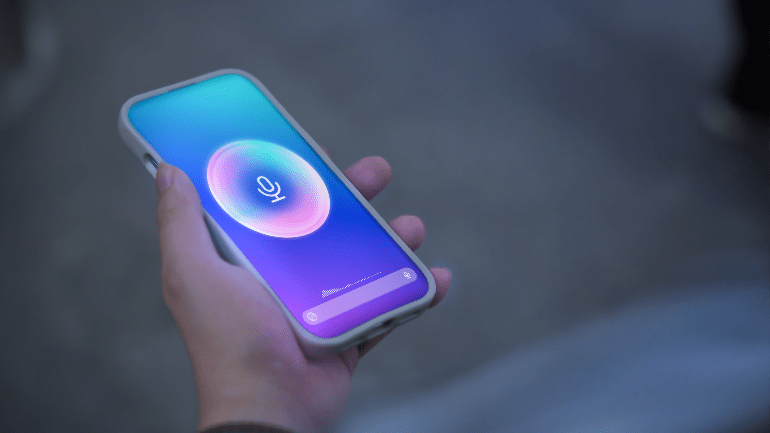
Wispr’s $280 million Series B signals rising demand for voice AI in VoIP, unified communications, and enterprise workflows. With Canto speech technology and Flow Notetaker, Wispr aims to improve transcription, meeting summaries, and multilingual collaboration, but buyers will watch accuracy, security, integrations, and real-world performance closely in noisy workplaces today.

Otter.ai’s privacy lawsuit could reshape VoIP and collaboration compliance as AI meeting assistants face scrutiny over Zoom, Microsoft Teams, and Google Meet recordings. With wiretap and biometric claims moving forward, enterprises must tighten consent, transcription, voiceprint, and data retention policies before deploying AI notetakers across business communications and VoIP workflows

AI agents are transforming VoIP operations by automating calls, routing requests, qualifying leads, and delivering 24/7 customer support. With reliable SIP trunking, phone numbers, and messaging infrastructure, voice AI can scale faster, reduce costs, and improve service quality while keeping human teams focused on complex telecom challenges and business growth.

AI data centers are redefining network efficiency, and VoIP providers should pay attention. Linear Pluggable Optics reduce power, heat, and latency across high speed fabrics, helping support faster inference, sustainable cloud communications, and resilient VoIP infrastructure as 800G and 1.6T networks push bandwidth demands higher while controlling operating costs today

Zendesk brings Employee Service AI Agents into Slack and Microsoft Teams, helping hybrid teams resolve HR, IT, finance, and access issues without portal hopping. For VoIP and unified communications leaders, the move highlights AI-powered collaboration, permission-aware support, workflow automation, and faster employee service across enterprise communication channels and connected systems.

AI is transforming HR, workforce planning, and VoIP operations as intelligent agents reshape teams, workflows, and customer communications. HiBob CEO Ronni Zehavi says businesses must align HR and IT to manage AI-driven change, redesign roles, and build stronger people-agent collaboration across telecom, unified communications, and modern digital workplaces successfully today
