1362 Results

att

Search

The Crexendo and NUSO partnership marks a new era in global cloud communications. By combining Crexendo’s acclaimed cloud platform with NUSO’s extensive global network, users will enjoy superior VoIP call quality and compliance in over 40 countries. This strategic collaboration enhances opportunities for VoIP service providers to boost revenue streams, tapping into expanding markets.


In an era where 4G LTE’s limitations are pronounced, federal agencies are increasingly recognizing the need for a 5G transition. 5G not only promises enhanced mobile connectivity but also supports cloud adoption and edge computing, crucial for modernizing IT infrastructure. Its speed, scalability, and security revolutionize operations, making it indispensable for modernization.

In today’s telecom landscape, the trust in voice channel connectivity is dwindling, largely due to unidentified spam calls. Roughly 80% of such calls go unanswered, impacting genuine business interactions. That’s where Hiya comes in. With services like Hiya Protect and Hiya Connect, they redefine call identification, leveraging AI and strategic partnerships with giants like AT&T, Samsung, and Vodafone. Their innovative solutions enhance call transparency and protect brands, thereby revitalizing consumer trust and improving answer rates. Embrace the future of VoIP with Hiya’s tailored, cutting-edge solutions, and restore confidence in your communications.

Future Technologies is making waves in the VOIP industry with its bold strategy to become North America’s top private 5G provider by 2026. Partnering with Battle Investment Group, the firm is leveraging acquisitions and equity to enhance its connectivity offerings. With a focus on industrial AI and IoT, Future Technologies commits to delivering superior VOIP solutions, positioning itself at the forefront of technological growth. This move promises significant revenue and workforce expansion, catering to enterprises seeking robust private 5G networks.

In today’s global business landscape, seamless communication is essential. Many companies still rely on outdated telephony models leading to inefficiencies and inconsistent user experiences. A shift to cloud-first solutions integrated with platforms like Microsoft Teams can streamline operations, reduce costs, and enhance communication flexibility for multinational enterprises.

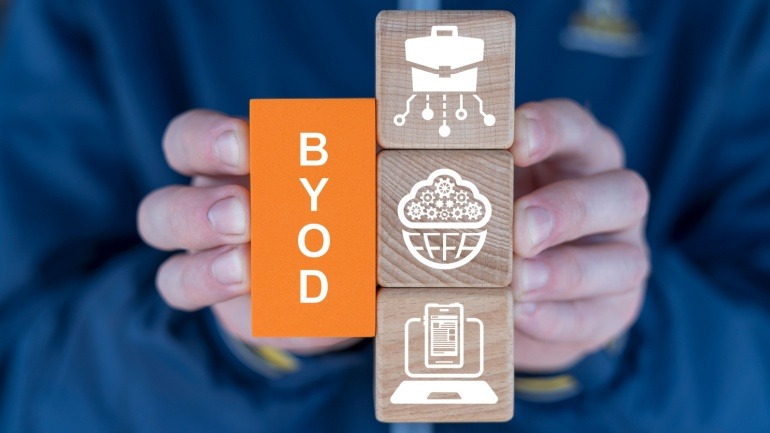
Embracing Bring Your Own Device (BYOD) in the workplace can boost productivity and save costs significantly. However, this trend introduces notable cybersecurity risks, especially amidst growing hybrid work environments. Implementing strong BYOD policies is crucial for safeguarding sensitive data. Organizations must balance technology with user vigilance to ensure security.

Stay ahead in the evolving VOIP landscape with SIPPIO’s Market Briefings. These quarterly webinars illuminate the Unified Communications as a Service (UCaaS) sector, empowering partners and carriers. Dive into expert insights on industry trends and innovations, ensuring you remain informed, agile, and successful in a competitive telecommunications arena.

Lenovo’s AI-powered PCs are revolutionizing enterprise VoIP through digital assistants that enhance workflow, automate tasks, and improve decision-making. This strategic move allows businesses to deploy AI agents within their telecommunication systems, ensuring seamless operations. With Lenovo’s innovative approach, enterprises can experience enhanced productivity and robust security in their VoIP infrastructure.

In today’s unpredictable geopolitical landscape, Orange Wholesale’s CEO, Michaël Trabbia, highlights the vital role of network asset ownership and software-isation in bolstering network resilience. By owning their infrastructure, telecommunication companies like Orange gain strategic independence and defense against disruptions. Transitioning to software-based environments enhances flexibility, empowering operators to deploy services swiftly and adapt.

In the ever-evolving landscape of Unified Communications (UC), sustainability is emerging as a key consideration, influencing how businesses select their UC providers. With regulatory changes and environmental responsibility becoming primary concerns, decision-makers must now weigh the ecological impacts alongside traditional factors like reliability and cost. This shift is further compounded by the energy demands of artificial intelligence (AI) integration in UC platforms, making accurate emission assessments crucial. For companies striving towards carbon neutrality, transparency in emissions and sustainable practices are integral to meeting both regulatory requirements and corporate social responsibility goals.