In the digital era, enterprise contact centers face challenges with fragmented systems, but integrating Microsoft Teams and AI can revolutionize VoIP experiences. This promising path unifies disconnected platforms, enhancing customer interactions and employee satisfaction. However, overcoming organizational resistance and skill gaps is crucial to achieving seamless VoIP solutions.

Generative AI is set to revolutionize telecommunications by moving operations from reactive to predictive systems, significantly impacting VoIP services. With Gen AI, telecom operators can experience faster troubleshooting and enhanced fraud detection, streamlining VoIP network efficiency. Properly implemented, Gen AI promises rapid results with lower costs, reshaping the VoIP landscape.
As customers are constantly bombarded with information, businesses must adopt efficient, relevant, and non-intrusive communication methods. One technology that has seen a significant rise in popularity is Application-to-Person (A2P) SMS, which facilitates the automated delivery of text messages from an application to a person’s mobile phone.
Nokia and Bharti Airtel have teamed up to offer developers in India a seamless integration of network capabilities via the Network as Code platform. This strategic move provides access to Airtel’s network APIs, enhancing VoIP capabilities with AI, 5G, and edge computing. This collaboration empowers innovation and creates new revenue channels in telecommunications.
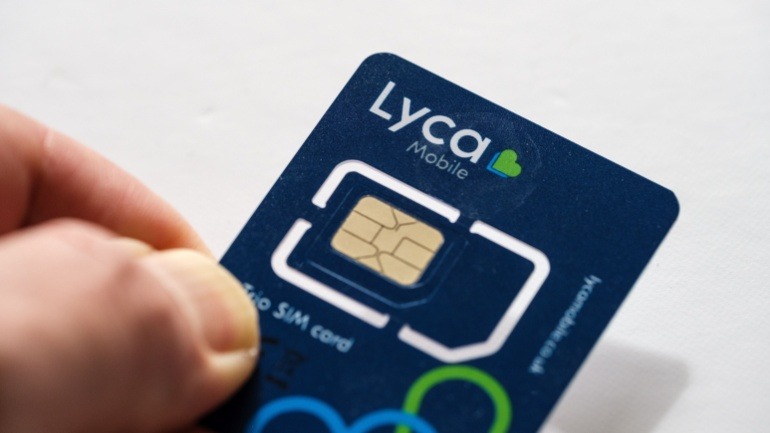
The rise of embedded SIMs, or eSIMs, heralds a transformative shift in mobile telecommunications, championed by leaders like Lyca Mobile. As the industry adopts these innovative solutions, the eSIM’s potential to enhance connectivity and customer experiences becomes undeniable. By eliminating physical cards, eSIM technology supports seamless interoperability across platforms. This advancement simplifies device-switching and optimizes user choices, positioning eSIMs as the future of digital connectivity. Enhanced security and reduced environmental impact further promote widespread eSIM adoption, promising a dynamic and adaptable mobile communication landscape.
Ericsson is advancing its API strategy by acquiring a stake in LotusFlare, enhancing telecommunications with innovative network API solutions. By addressing challenges developers face, such as procurement complexities and pricing inflexibility, Ericsson aims to streamline processes and unlock revenue potential in the growing API market through LotusFlare’s DNO Cloud platform.
Open RAN’s evolution is critical for the voip landscape, aiming to create a flexible, multi-vendor network system. However, achieving energy efficiency and convincing Communications Service Providers to embrace Open RAN over existing infrastructure remains challenging. As AI-native RAN and automation advance, industry collaboration is crucial to navigate complexities and drive Open RAN success.
O2 Germany has surged to prominence in the telecommunications arena, matching Vodafone Germany in connect magazine’s recent mobile network test. With significant investments in cloud radio access networks and enhanced infrastructure, O2 is redefining mobile connectivity standards. Strategic partnerships with Nokia and Ericsson ensure technological robustness, paving the way for their 4G and 5G advancements.
Macquarie Technology Group’s new 150MW data center project could revolutionize the VoIP landscape as digital demands surge. Utilizing innovative funding strategies like capital recycling and joint ventures, the project highlights VoIP connectivity’s expanding role in cloud services. This initiative positions Macquarie as a top competitor in VoIP infrastructure growth.
Orange OpenTech highlights the vital role of AI in transforming the telecom industry. Leaders at the event discuss the integration of AI with 5G and cloud computing, emphasizing improved operations and customer experiences. Despite challenges like data privacy, AI remains essential for growth and innovation in telecommunication.