


APAC telecom operators are transforming from connectivity providers into AI infrastructure leaders, reshaping VoIP, cloud communications, and enterprise network services. With Chunghwa Telecom, SoftBank, and Indosat partnering on compute platforms, carriers are targeting secure local AI hosting, automation, and smarter communication services while competing with hyperscale cloud providers across Asia.

Bell is accelerating AI infrastructure with its Bell AI Fabric, new data centers, and expanding fiber networks, creating a stronger foundation for enterprise VoIP, cloud communications, cybersecurity, and data-sovereign AI services. With 335 megawatts contracted and major campuses underway, Bell targets next-generation connectivity for businesses and governments across North America.

Ericsson joins SK Telecom’s AI-RAN initiative to advance 5G Standalone, 6G, and AI-native network automation in South Korea. The trial will test intelligent VoIP connectivity, low-latency communications, autonomous logistics, and industrial safety, giving operators a real-world path toward smarter telecom infrastructure, better call quality, and future-ready VoIP services nationwide deployments

Chunghwa Telecom is expanding AI data center capacity in Taiwan, strengthening cloud, colocation, and low-latency connectivity for enterprises. With new IDC investments, submarine cables, satellite links, and optical networks, the operator is positioning itself as a regional AI infrastructure hub for VoIP providers, carriers, and businesses seeking resilient global connectivity.

Dreamforce 2026 puts Salesforce Agentforce and Slack in the spotlight for VoIP, UC, and contact center leaders. As AI agents connect CRM data, workflows, and customer conversations, telecom teams must assess integrations, governance, security, costs, and measurable impact on AI-powered business communications at scale before deployment decisions.

Uber customer service cuts highlight a fast VoIP contact center shift as AI voice and chat automation handle routine support without agents. From password resets to booking changes, businesses are redesigning VoIP customer experience strategies around lower costs, faster resolution and smarter human escalation for complex trust-sensitive conversations at scale.

AI is reshaping VoIP and unified communications, but mid-market businesses need disciplined adoption. Practical tools like meeting summaries, call summaries, and contact center guidance can boost productivity fast, while advanced voice agents require clean data, documented workflows, and native platform integration to protect customer experience and deliver measurable ROI results
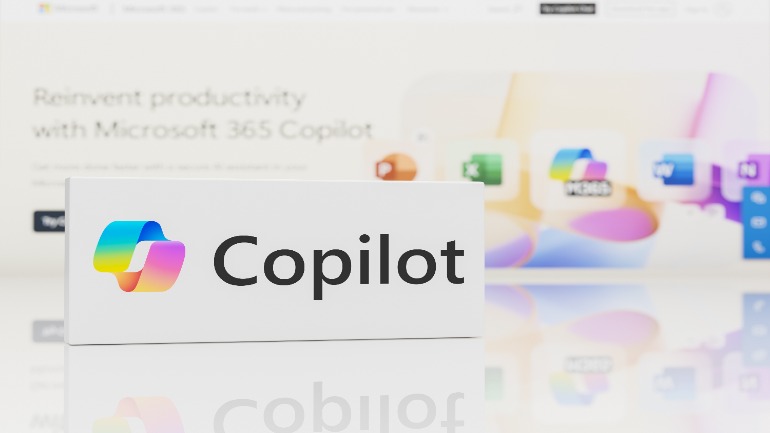
Microsoft 365 Copilot has reached 30 million paid seats, signaling rapid enterprise AI adoption across Teams, Outlook, and unified communications. As Copilot agents expand into workflows, VoIP, telecom, and IT leaders must prioritize governance, security, and cloud communications strategy while leveraging AI to streamline collaboration, support, and service operations management

Vodafone’s new Global Cyber Centre in Lisbon strengthens cybersecurity for VoIP networks, enterprise communications, and global telecom services. With AI-driven threat detection, skilled analysts, and 24/7 regional coverage, the hub boosts resilience against fast-moving attacks, helping protect voice, data, identity, and connectivity for businesses and customers worldwide across digital markets

Samsung and Broadcom’s $200 billion semiconductor partnership could reshape AI infrastructure, 5G networks, and VoIP services. Advanced memory, 2nm chips, and next-gen packaging promise faster data processing, lower latency, and stronger energy efficiency for cloud communications, telecom operators, and intelligent voice over IP platforms in worldwide business deployments at scale
