


India’s telecom giants, Vodafone Idea and BSNL, are exploring joint use of telecom infrastructure and spectrum to manage costs and enhance network capabilities. This move, confirmed by India’s Department of Telecommunications, focuses on towers, fiber networks, and shared spectrum assets, aiming to promote 5G services rollout and efficiency.

At the 2026 Mobile World Congress, Azercell’s CTO discussed the company’s innovative digital infrastructure, positioning Azerbaijan as a digital leader. With GPON technology and AI-driven networks offering speeds up to 50 Gbps, Azercell enhances connectivity, employment, and global integration. Their pioneering efforts showcase the future of seamless VoIP communications.

Vodafone’s broadband network upgrade in Germany, in partnership with Aurora Networks, introduces cutting-edge technologies such as Remote PHY and Distributed Access Architecture (DAA) to enhance AI-friendly connectivity. Featuring virtual CMTS and improved last-mile broadband performance, Vodafone aims to boost network speed and reliability, supporting AI applications and digital services.

UK telecom operator O2 is pioneering the deployment of mobile masts with pre-assembled units, transforming mobile network installations across the UK. This innovative approach, conducted in partnership with Vecta Labs, enhances efficiency and accelerates deployment times, drastically reducing on-site installation durations. These advancements ensure rapid, reliable network expansion, vital for 5G growth.

In today’s telecommunications landscape, the push for advanced mobile infrastructure is central to accommodating a hyper-connected world. Operators are modernizing networks, integrating next-gen technology for superior VOIP performance; however, challenges persist. Inaccurate infrastructure data complicates VOIP deployment, affecting speed and reliability. Harnessing digital modeling and accurate data ensures streamlined, effective VOIP integration.

Poste Italiane’s €10.8 billion bid to acquire Telecom Italia introduces a new era of state influence over the company, three decades post-privatization. This strategic move aims to integrate and strengthen TIM’s mobile and enterprise sectors under Poste Italiane’s comprehensive network, unlocking digital synergies and enhancing Italy’s telecom industry.
Siemens is revolutionizing the industrial landscape with private 5G, strategically integrating VoIP within this framework. Originally met with skepticism, 5G is now embraced for targeted solutions rather than as a flashy technological leap. Siemens, by addressing specific industrial issues and enhancing automation through 5G and VoIP, offers tailored, reliable connectivity solutions.

Ciena and Meta’s collaboration marks a milestone in subsea telecommunications, successfully transmitting 800 Gb/s over 16,608 km without needing signal regeneration. Utilizing Ciena’s advanced WaveLogic 6 Extreme technology on Meta’s Bifrost cable, this breakthrough highlights advancements in long-distance VoIP data transmission, essential for evolving AI and cloud-scale networks.
Nokia is revolutionizing optical networking with its new coherent optical solutions, unveiled at the Optical Fiber Communication Conference. Aimed at reducing total cost of ownership, these innovations promise enhanced bandwidth, reach, and efficiency. By adopting a building-block approach, Nokia ensures flexibility and customization for modern hyperscalers, optimizing power and cost per bit.
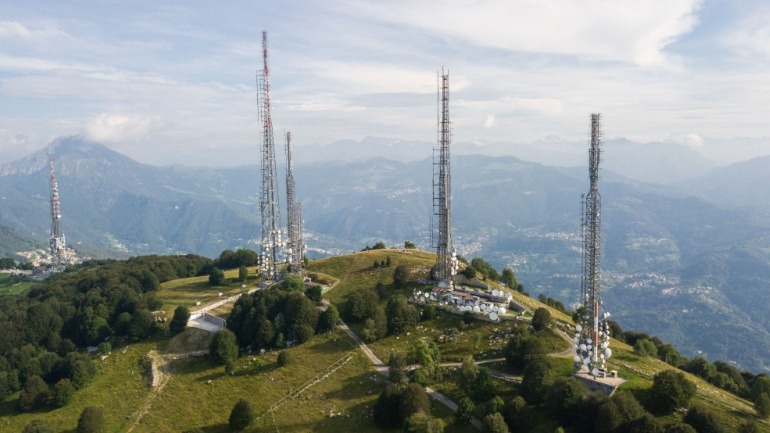
TIM, Fastweb, and Vodafone’s collaboration on building up to 6,000 new mobile towers marks a pivotal moment for Italy’s telecom landscape. This venture will bolster 5G deployment and enhance operational efficiencies through resource sharing. With a focus on long-term growth and sustainability, this initiative promises substantial benefits for VoIP technology advancement.
