Explore the future of AI and its fusion with 5G-Advanced networks from the Huawei-hosted Mobile AI Industry Summit at MWC Barcelona 2026. Discover how AI is revolutionizing the telecommunications landscape through service intelligence, network intelligence, and network element intelligence. Stay updated on the journey towards autonomous networks and the agentic internet era.
Telefónica and Nokia are collaborating to explore AI software agents enhancing network API usage, focusing on fraud prevention. By integrating advanced protocols, including Agent-to-Agent, this partnership aims to streamline processes and improve resilience. The initiative under GSMA Open Gateway could revolutionize VoIP systems, making network management smarter and more efficient.
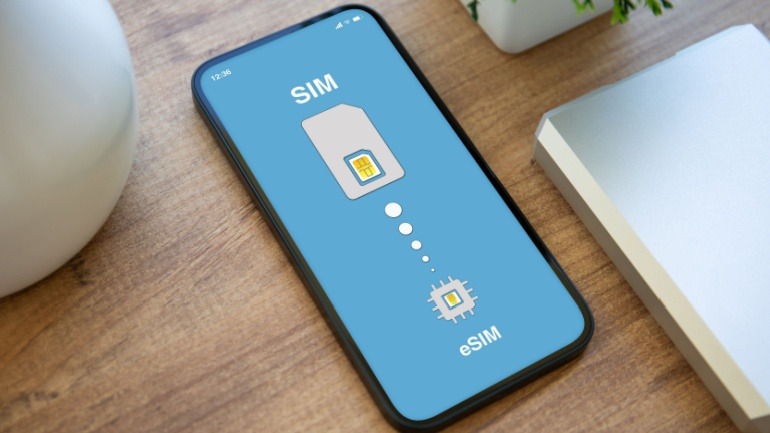
The rise of embedded SIMs, or eSIMs, heralds a transformative shift in mobile telecommunications, championed by leaders like Lyca Mobile. As the industry adopts these innovative solutions, the eSIM’s potential to enhance connectivity and customer experiences becomes undeniable. By eliminating physical cards, eSIM technology supports seamless interoperability across platforms. This advancement simplifies device-switching and optimizes user choices, positioning eSIMs as the future of digital connectivity. Enhanced security and reduced environmental impact further promote widespread eSIM adoption, promising a dynamic and adaptable mobile communication landscape.
The GSMA highlights a pressing need for more spectrum to enable 6G network expansion. By the mid-2030s, urban areas might require an additional 2-3 GHz in mid-band spectrum to support burgeoning demands driven by new technologies like extended reality and autonomous vehicles, as well as existing mobile services such as video streaming and gaming.
As the IoT landscape evolves, CSPs face the dual challenge of ensuring robust VoIP connectivity across borders while navigating stringent regional data privacy laws. Compliance with regulations like GDPR and India’s DPDP Act is critical to avoid penalties. Local breakout services offer CSPs a strategic advantage, enhancing VoIP performance and compliance. Kaleido Intelligence’s report emphasizes the need for IoT service providers to prioritize compliant, locally-tailored connectivity solutions. This strategic approach not only meets legal standards but also positions providers as market leaders, underscoring the importance of compliance-driven growth in the rapidly advancing IoT arena.
Telecom operators must evolve beyond basic connectivity and embrace a role as orchestrators of enterprise solutions. As enterprises pursue digital transformation, they’re seeking integrated mobility solutions that seamlessly integrate with existing IT ecosystems. This shift presents telecom operators with an opportunity to deliver VoIP and other services that are scalable, secure, and unified, ensuring global consistency and enhancing productivity.
Deutsche Telekom revolutionizes VoIP experiences with its new cross-platform eSIM switch, enabling seamless transitions between Android and iOS devices. This innovative feature ensures flexibility and security, removing the hassle of additional apps or paperwork. The eSIM switch simplifies changing devices, aligning perfectly with the digital integration trend.
In a strategic twist for the VoIP sector, Altice has rebuffed a bold €17 billion bid from telecom giants Bouygues, Iliad, and Orange to acquire SFR assets. This move highlights the ongoing competitive dynamics in the VoIP market, emphasizing Altice’s valuation expectations while sparking discussions on potential regulatory implications within the telecom industry.
Malaysia has taken a bold step into the future with the launch of YTL Communications’ 5G Advanced services. As the ninth nation to embrace this cutting-edge technology, Malaysia aims for nationwide 5G Advanced coverage by December. Leveraging Digital Nasional Berhad’s network and Ericsson’s system, YTL is revolutionizing connectivity.
Ericsson and twelve leading telecom providers have launched Aduna, a joint venture to accelerate global adoption of network APIs. Backed by major operators and cloud partners, Aduna builds on Ericsson’s secure platform and supports initiatives like Open Gateway to standardize APIs.