Global telecom giant Veon commits $600 million to boost Ukraine’s infrastructure, focusing on 4G mobile and fiber development, while inviting other institutions to join the initiative. Kyivstar, Veon’s subsidiary, aims for 98% 4G coverage in three years, with potential 5G advancements.
VEON commits $600 million investment via Kyivstar for Ukraine’s recovery, focusing on infrastructure, 4G expansion, cybersecurity, and community support, fostering accelerated digitalization and rebuilding efforts.
EE enhances 4G coverage by deploying small cells across UK towns and cities, reducing congestion and increasing capacity in high traffic areas. Utilizing advanced network analytics and Nokia’s 4G technology, EE aims to seamlessly integrate small cells into its future 5G network.
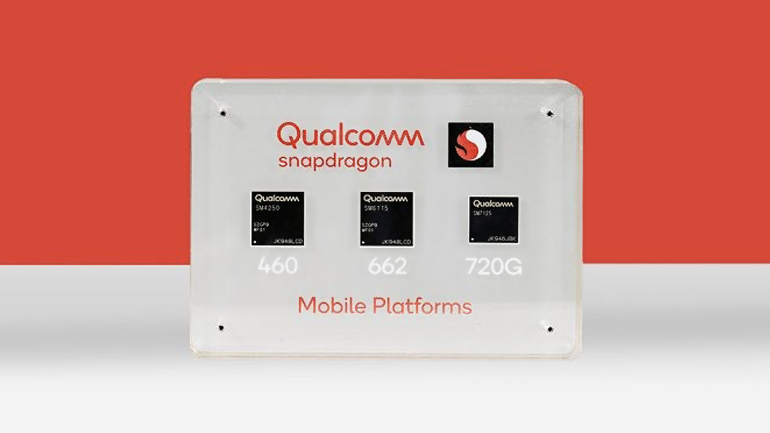
Even though fifth generation mobile communications technology is set to go mainstream, 4G, also known as LTE, isn’t going away any time soon. With this in mind, it is not surprising that manufacturers of telecom equipment continue to develop 4G-focused smartphone processors. US-based Qualcomm Technologies has launched three new Snapdragon mobile platforms aimed at 4G smartphone manufacturing companies. The Qualcomm Snapdragon 720G, 662 and 460 chipsets have been created to enhance user experiences across connectivity, gaming and entertainment applications. In a statement, the company said that these new mobile platforms provide high-speed 4G connectivity, deliver key Wi-Fi 6 features and integrated Bluetooth 5.1 with advanced audio via the Qualcomm FastConnect 6-series subsystems, support Dual-Frequency (L1 and L5) GNSS to improve location positioning accuracy and reliability, and are the first system-on-chip products to support Navigation with Indian Constellation (NavIC) satellite positioning system. Qualcomm said the new Snapdragon platforms also…
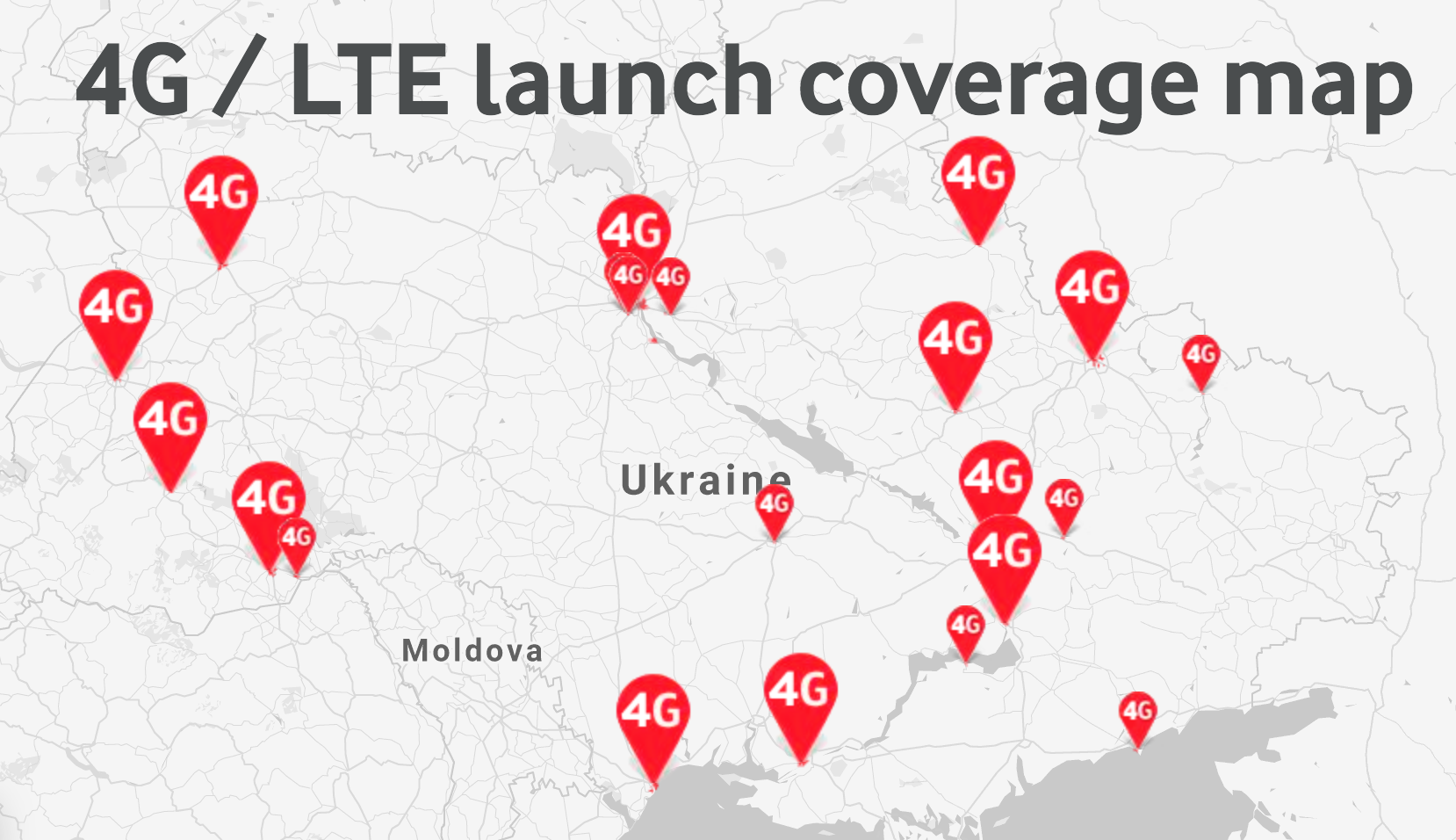
The mobile operator, Vodafone Ukraine, intends to launch their 4G network for the 1800 MHz band on 1 July, 2018. The expansion of the 1800 MHz band network will allow Vodafone to cover a wider territory, enabling access for millions of Ukrainians to 4G mobile Internet. This fourth generation service will be available in 50 settlements across 10 main regions of Ukraine: Kiev, Dnipropetrovsk, Kharkiv, Zaporizhzhia, Odessa, Mikolayiv, Poltava, Sumi, Kirovograd and Kherson. Besides the advantage of wider coverage, Vodafone is excited about the higher speed, improved connection stability and faster network response times for their mobile users. The other two major Ukrainian operators, LifeCell and Kyivstar, who won the 1800 MHz 4G LTE mobile license along with Vodafone at an auction held this March, will also be introducing similar services in early July.

Huawei and Qualcomm have signed a multi-year patent licensing deal covering 5G, AI, networking, and computing, with Qualcomm also buying selected Huawei US patents. For VoIP providers, telecom operators, and device makers, the agreement could reduce licensing uncertainty, support interoperable communications, and shape the future of mobile VoIP innovation worldwide
Europe’s fragmented IoT landscape is reshaping telecom strategy as 2G shutdowns, 4G expansion, 5G rollouts, satellite links, and sovereignty rules challenge global connectivity. Vodafone IoT says AI-driven orchestration will help enterprises simplify cross-border devices, strengthen VoIP-ready networks and deliver reliable, scalable communications across complex national markets for connected businesses worldwide
Onomondo’s €100 million funding signals an IoT connectivity shift for telecom and VoIP providers. With Aspirity Partners taking control, the Danish company plans faster growth, stronger infrastructure, SoftSIM innovation, and eSIM management, helping enterprises gain flexible, reliable 4G, 5G, and private network access for physical AI and global device fleets.
Telecom operators are turning AI infrastructure, GPU-as-a-Service, and sovereign AI platforms into new enterprise revenue engines. For VoIP providers, the opportunity lies beyond compute: delivering secure AI services, smarter communications, automation, and measurable business outcomes through marketplaces, flexible billing, and partner ecosystems that make AI easy to buy and scale.
T-Mobile’s new FCC request signals a major step toward 6G-ready spectrum, with tests planned in the 2.7GHz and 4GHz bands. For VoIP providers, faster mobile networks could improve call quality, latency, and reliability, while shaping future cloud communications, unified communications, and business VoIP services across the United States over time.