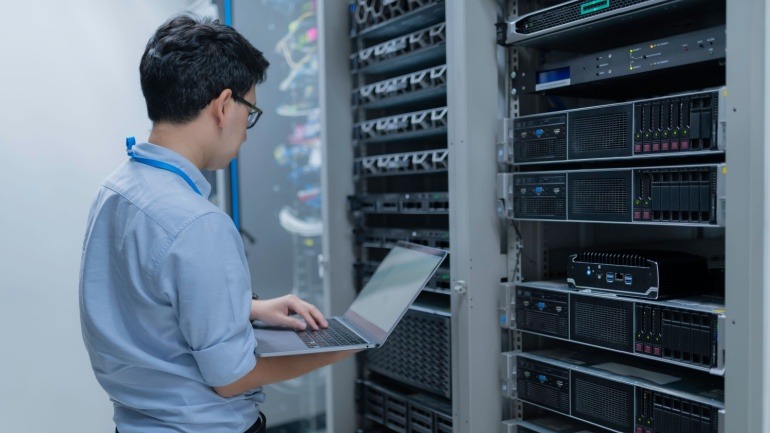
Nvidia’s initiative to establish AI infrastructure in the US signals a pivotal shift in cutting-edge technology manufacturing, partnering with TSMC, Foxconn, and Wistron. By building AI chips and supercomputers, Nvidia positions itself at the forefront of the AI economy, promoting localized production.

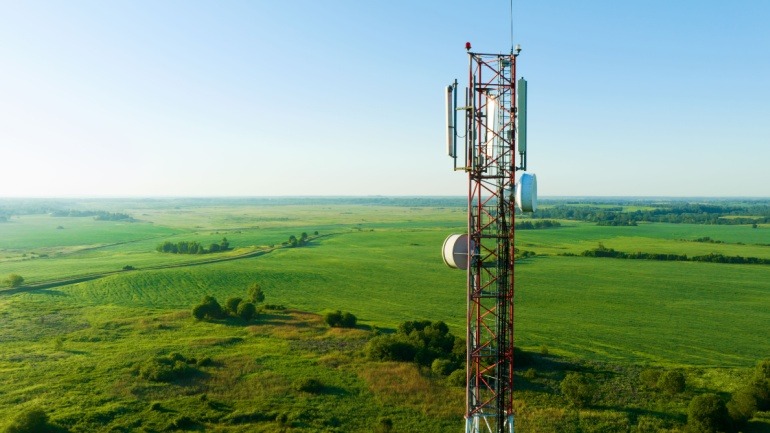
Vodafone is pioneering an innovative use of its mobile network by conducting a trial in the River Severn area for short-term rainfall prediction, known as nowcasting. By collaborating with Wireless DNA, Vodafone analyzes signal data affected by rain, which can enhance weather forecasting accuracy beyond traditional methods.
Ericsson is transforming enterprise connectivity with its wireless-first architecture, combining 5G, WiFi 7, and satellite support. Designed for AI-driven operations, the solution offers resilient, secure, and scalable networks. Centralized management simplifies complex setups, enabling businesses to harness AI.
AI and mobile technologies are set to add $2 trillion to China’s economy by 2030, making up 8.3% of its GDP, according to the GSMA. Driven by 5G and AI integration across industries, especially manufacturing.
MediaTek’s new Dimensity 9400+ chip revolutionizes Android devices with advanced AI capabilities, boosting power efficiency and gaming performance. Its All Big Core CPU architecture, featuring the Arm Cortex-X925, Cortex-X4, and Cortex-A720 cores, ensures seamless performance.
In response to a significant tariff hike, Apple has flown five cargo planes of products from India to the U.S. to avoid steep new taxes. This costly decision reflects the urgency U.S. companies face amid trade tensions. As tariffs rise, consumers worry about price hikes, while tech firms like are grappling with increased costs.
TXO has acquired the AirWay Group, strengthening its North American presence and expanding its sustainable telecom solutions. The deal enhances TXO’s network lifecycle capabilities and supports its mission to reduce waste, while bringing on board key leadership and over 250 global telecom clients.
The United Kingdom’s AI Energy Council is harmonizing clean energy with AI infrastructure. Key players like Microsoft and AWS aim to ensure sustainable power for data centers and AI facilities. This initiative aligns AI growth with renewable energy sources, enhancing the U.K.’s computing power and economic development.
The U.S. Department of Energy has identified 16 federal sites for future AI data centers, leveraging existing power infrastructure. This initiative, aiming for completion by 2027, supports a federal strategy to bolster AI capabilities. Proposed locations include national labs and decommissioned nuclear sites.
At NAB Show 2025, Verizon and NVIDIA unveiled a portable private 5G network powered by edge AI and accelerated computing. Designed for live broadcast workflows, the system uses real-time AI to prioritize key video moments, boosting viewer engagement and production efficiency—anywhere from stadiums to remote sites.