109 Results

GSMA

Search

The shift towards AI-driven network service assurance is revolutionizing VoIP networks, enabling operators to navigate the increasing complexity with enhanced efficiency. By automating root cause analysis, anomaly detection, and customer analytics, AI ensures quicker resolution and less downtime in VoIP services. This technological evolution promises improved reliability and customer satisfaction.

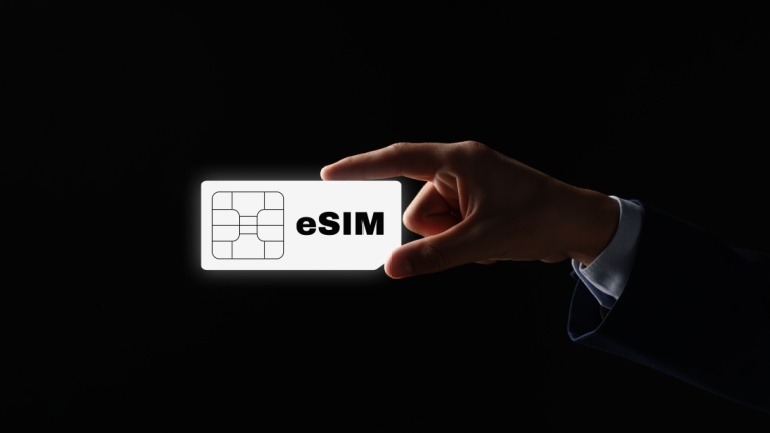
The rapid rise of eSIM technology is revolutionizing VoIP services and telecommunication. With flagship smartphones and emerging wearables integrating eSIM, operators face a challenge to scale digital services efficiently. Entitlement servers are crucial for seamless VoIP service activation, enabling operators to move beyond outdated methods and provide scalable digital experiences. Entitlement servers innovate network API monetization, ensuring customers benefit from security and streamlined connectivity, paving the way for operators to capitalize on new revenue streams and enhance VoIP user experiences. As digital technology reshapes connectivity, embracing these innovations becomes essential for long-term success.

The telecommunications landscape is rapidly evolving, positioning 2026 as a key year for transformation. Advances in AI, edge computing, and sustainability shape the industry’s future. The rise of agentic AI redefines telecom operations, while real-world applications like Telefónica’s Aura exemplify AI’s impact. Focus on sustainability and energy savings drives operational efficiency, with leading companies demonstrating success through AI and machine learning. The telecom vision for 2026 includes cutting-edge innovations and partnerships, enhancing user experiences and unlocking new service potentials.

Unveiling of the Open Telco AI initiative at the Mobile World Congress 2026 marks a pivotal step in telecom industry evolution. By addressing the inadequacies of traditional AI through open collaboration, GSMA aims to revolutionize telco-grade AI. This initiative brings together industry giants, ensuring enhanced precision and reliability for network operations.

Explore the future of AI and its fusion with 5G-Advanced networks from the Huawei-hosted Mobile AI Industry Summit at MWC Barcelona 2026. Discover how AI is revolutionizing the telecommunications landscape through service intelligence, network intelligence, and network element intelligence. Stay updated on the journey towards autonomous networks and the agentic internet era.

Telefónica and Nokia are collaborating to explore AI software agents enhancing network API usage, focusing on fraud prevention. By integrating advanced protocols, including Agent-to-Agent, this partnership aims to streamline processes and improve resilience. The initiative under GSMA Open Gateway could revolutionize VoIP systems, making network management smarter and more efficient.

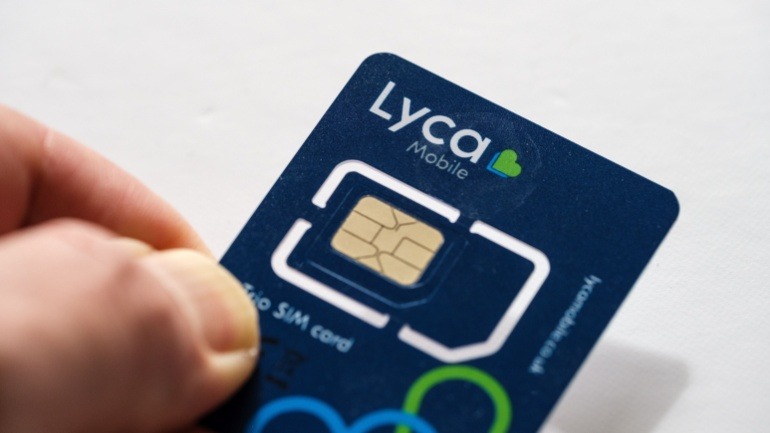
The rise of embedded SIMs, or eSIMs, heralds a transformative shift in mobile telecommunications, championed by leaders like Lyca Mobile. As the industry adopts these innovative solutions, the eSIM’s potential to enhance connectivity and customer experiences becomes undeniable. By eliminating physical cards, eSIM technology supports seamless interoperability across platforms. This advancement simplifies device-switching and optimizes user choices, positioning eSIMs as the future of digital connectivity. Enhanced security and reduced environmental impact further promote widespread eSIM adoption, promising a dynamic and adaptable mobile communication landscape.

As the IoT landscape evolves, CSPs face the dual challenge of ensuring robust VoIP connectivity across borders while navigating stringent regional data privacy laws. Compliance with regulations like GDPR and India’s DPDP Act is critical to avoid penalties. Local breakout services offer CSPs a strategic advantage, enhancing VoIP performance and compliance. Kaleido Intelligence’s report emphasizes the need for IoT service providers to prioritize compliant, locally-tailored connectivity solutions. This strategic approach not only meets legal standards but also positions providers as market leaders, underscoring the importance of compliance-driven growth in the rapidly advancing IoT arena.

Telecom operators must evolve beyond basic connectivity and embrace a role as orchestrators of enterprise solutions. As enterprises pursue digital transformation, they’re seeking integrated mobility solutions that seamlessly integrate with existing IT ecosystems. This shift presents telecom operators with an opportunity to deliver VoIP and other services that are scalable, secure, and unified, ensuring global consistency and enhancing productivity.