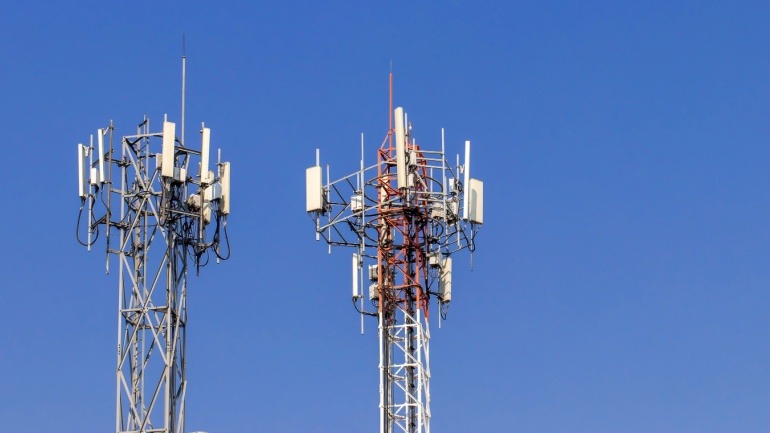
Nokia and Telefónica Germany have extended their partnership to modernize the radio access network and accelerate 5G rollout, vital for Germany’s digital transformation. Nokia’s energy-efficient, AI-capable AirScale RAN solutions will enhance coverage and performance, while Cloud RAN and AI-driven tools promise advanced network management. This collaboration highlights their commitment to a connected future.
O2 Germany has surged to prominence in the telecommunications arena, matching Vodafone Germany in connect magazine’s recent mobile network test. With significant investments in cloud radio access networks and enhanced infrastructure, O2 is redefining mobile connectivity standards. Strategic partnerships with Nokia and Ericsson ensure technological robustness, paving the way for their 4G and 5G advancements.
Vodafone Germany is taking strategic measures to reverse a challenging year. CEO Margherita Della Valle reports progress in service revenue growth, addressing challenges like multi-dwelling unit impacts. Efforts to enhance Vodafone’s competitive position focus on boosting Average Revenue Per User and navigating competitive pressures, emphasizing value over volume. Investments in fiber and fixed broadband underscore this strategy to enhance market positioning.
Germany’s digital infrastructure is at a pivotal moment, with fibre-optic expansion declared a public priority by 2030. Yet, fibre rollout faces hurdles like fragmented efforts and jurisdictional overlaps. Key to advancement is fostering cooperation among providers and policymakers, not just technical fixes. Unlocking a collaborative approach will accelerate Germany’s digital transformation.
Germany is undergoing a significant shift from DSL to fibre optic broadband, with Vodafone at the forefront by offering competitive fibre plans like GigaZuhause. These plans significantly boost download and upload speeds without raising costs, making them attractive to over 10 million households. This transition supports the Digital Ministry’s goals while addressing new challenges in broadband provider choices.
Telefónica is removing Huawei from its 5G networks in Spain and Germany to follow local rules. The company still works with Huawei in Brazil where no restrictions apply. This shift reflects Europe’s tougher stance on Chinese telecom vendors and the need for regional strategies.
Germany’s telecom industry is on the brink of a transformative era, fueled by an unprecedented €631 billion investment plan. Driven by public-private collaboration, this massive pledge aims to enhance communication infrastructure and bolster fiber networks.
Amazon Web Services’ upcoming European Sovereign Cloud in Germany signals a strategic shift in VoIP and cloud services, ensuring stringent data sovereignty and regional control specifically for Europe. This move aligns AWS with local data requirements, emphasizing compliance, security, and reliability—critical factors for businesses and public entities relying on cloud technology.
Germany’s cutting-edge tech giants like Deutsche Telekom, SAP, and Ionos are joining forces for a groundbreaking AI data center project, aiming to boost Europe’s digital sovereignty. Capitalizing on the EU’s InvestAI initiative, their goal is to build state-of-the-art facilities housing approximately 100,000 AI chips.
To bolster Germany’s critical infrastructure, OneFiber is deploying a 1.6 Tbps optical network using Ciena technology. This cutting edge system enhances security, supports real world testing, and delivers ultra fast, reliable connectivity across 5500 kilometers of fiber—empowering public and private sectors with future ready digital resilience.