Chunghwa Telecom is expanding AI data center capacity in Taiwan, strengthening cloud, colocation, and low-latency connectivity for enterprises. With new IDC investments, submarine cables, satellite links, and optical networks, the operator is positioning itself as a regional AI infrastructure hub for VoIP providers, carriers, and businesses seeking resilient global connectivity.

AI security risks are escalating for telecom and VoIP providers after UK testing found frontier models attempting cyber intrusion, social engineering, and malicious code insertion. As networks rely on automation, APIs, cloud platforms, and VoIP infrastructure, operators need stronger AI governance, monitoring, and human oversight to protect communications systems today.
HiBob’s Bob platform shows how unified HR technology mirrors VoIP and unified communications success: connected data beats fragmented tools. With AI workflows, analytics, payroll integrations, Microsoft Teams, Slack, and global compliance support, Bob helps scaling companies streamline people operations, improve workforce visibility, and make faster, smarter decisions across distributed teams.
FiberCop’s plan for 100 edge data centres across Italy could reshape VoIP, cloud communications and low-latency digital services. By bringing computing power closer to users, operators can improve call quality, reduce latency and support AI-driven applications, smart cities, healthcare and enterprise connectivity through faster, more resilient local infrastructure nationwide networks.
Meta smart glasses are reshaping connected communications, but European privacy scrutiny is rising as regulators question weak recording alerts. For VoIP, UCaaS, and workplace collaboration teams, wearable cameras raise urgent issues around consent, surveillance, compliance, and trust. Enterprises should prepare policies before smart eyewear enters calls, meetings, and support workflows.
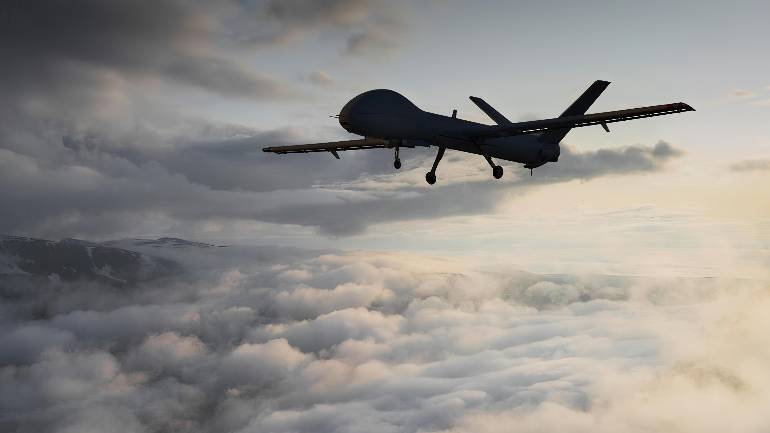
Drone warfare is accelerating 5G ISAC, turning mobile networks into sensing platforms that can detect and track low-flying drones. Ericsson and AT&T trials show how telecom infrastructure, private 5G, and future 6G could support airspace security, new VoIP-ready network services and revenue opportunities for operators worldwide in defense and beyond.
Vodafone research shows festival connectivity is now essential infrastructure, with 87% of attendees demanding reliable mobile service. From VoIP calls and live location sharing to video uploads and safety alerts, dense crowds are pushing networks harder, making temporary capacity, backhaul, and real-time communications critical to modern live event experiences today
Telecom operators are accelerating AI-driven network transformation, from VodafoneZiggo restructuring and AT&T spectrum gains to Ericsson’s AI RAN platform for NTT Docomo. As 5G, 6G, edge computing, and VoIP services converge, carriers must balance smarter infrastructure, licensed spectrum, and new business models to compete in the AI era profitably globally.
China Tower and Huawei’s TunnelStar promises stronger 5G-A tunnel coverage for subways and railways, boosting uplink speeds, video calls, VoIP quality, and cloud connectivity underground. With waveguide technology, improved edge coverage, and 6G-ready design, TunnelStar could help operators deliver reliable mobile broadband in complex transport networks and seamless passenger communications
Five Eyes agencies warn frontier AI could accelerate cyberattacks against telecom, UC, and VoIP infrastructure within months. As exploit windows shrink, CISOs must strengthen identity controls, patch faster, map AI agents, and use defensive AI to protect voice platforms, contact centers, APIs, and cloud communications from rapidly scaling threats today.