2858 Results

Red Hat

Search

Telecom operators are transforming into key players in AI services, appealing to enterprises seeking seamless AI solutions. Historically focused on connectivity, telcos are now diversifying with AI infrastructure and tools. This shift, prompted by corporate demand, offers substantial growth potential as traditional revenue streams decline. Successful operators harness AI infrastructure, collaborating with platform developers to offer customized solutions and productivity tools. Their strategic advantage includes expansive networks and data centers, enabling competitive pricing and data sovereignty. However, to capitalize effectively, they need to overcome internal challenges and navigate competition from hyperscale cloud providers like AWS and Google Cloud.


América Móvil and Entel are individually pursuing Telefonica’s assets in Chile, ending plans for a joint bid. With both telecom giants now independently assessing opportunities, Chile’s telecom market could see major shifts. This competitive landscape ensures intriguing dynamics, as each seeks to leverage strategic advantages in acquiring Telefonica’s lucrative assets.

Amid Black Friday’s digital communication surge, Sinch reported a 144% increase in AI-powered Rich Communication Services. Businesses increasingly favor rich messaging formats, blending traditional channels like SMS and email with interactive VoIP solutions. This shift underscores the essential role of AI in creating standout conversational experiences in competitive markets.

Experience seamless global communication with OnPage’s new multi-language capabilities for VOIP users. Now offering interface translations in English, Spanish, Hebrew, Portuguese, and French, OnPage ensures effortless collaboration across borders. Available on both iOS and Android, this update enhances clarity and speed, enabling organizations to maintain 24/7 operations without language barriers.

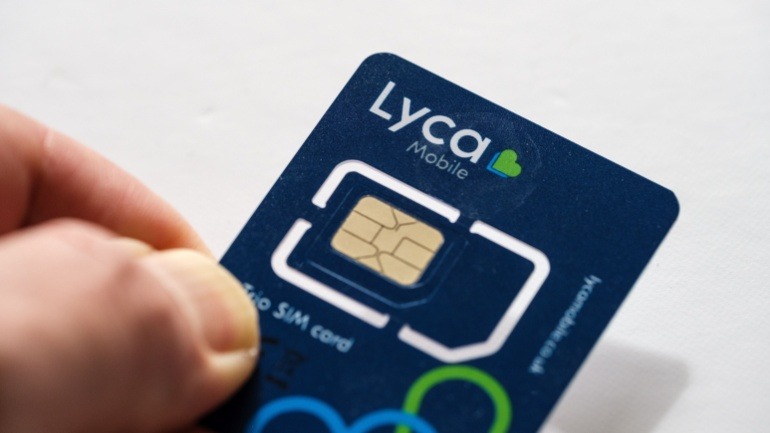
The rise of embedded SIMs, or eSIMs, heralds a transformative shift in mobile telecommunications, championed by leaders like Lyca Mobile. As the industry adopts these innovative solutions, the eSIM’s potential to enhance connectivity and customer experiences becomes undeniable. By eliminating physical cards, eSIM technology supports seamless interoperability across platforms. This advancement simplifies device-switching and optimizes user choices, positioning eSIMs as the future of digital connectivity. Enhanced security and reduced environmental impact further promote widespread eSIM adoption, promising a dynamic and adaptable mobile communication landscape.

Telecom operators can now revolutionize their installation process with vHive’s On-Site Validation service, utilizing digital twins and drones for precise setups. This method offers real-time feedback, ensuring first-time-right workflows and reducing OPEX waste. Such technological advancements promise to streamline 5G rollouts and redefine telecommunication industry practices.

BT Group is navigating market challenges under CEO Allison Kirkby, with an emphasis on “solid delivery” in voip services and network development. Despite competitive pressures, BT is transitioning to a more asset-light strategy, focusing on innovation and strategic partnerships. Cybersecurity remains a top priority as BT invests in robust protection measures.