2858 Results

Red Hat

Search

The recent rollback by the FCC on national cybersecurity standards for telecommunications companies marks a pivotal shift, sparking debate over regulatory approaches in network security. As this landscape evolves, VoIP solutions providers like Vodia Networks lead the way by prioritizing cybersecurity with robust features that urge the industry to go beyond minimal compliance.


The groundbreaking collaboration between Fujitsu and Yamaguchi University is paving the way for enhanced satellite data management through orbital edge computing. This innovative approach dramatically reduces satellite data latency from hours to mere minutes, facilitating real-time insights crucial for industries such as maritime logistics. By processing data directly on satellites, traditional bandwidth restrictions are bypassed, allowing for immediate information access. Organizations dependent on remote sensing, including those utilizing VoIP technology for communication, should closely monitor this advancement, as it promises to revolutionize data processing efficiency and timeliness.

Macquarie Technology Group’s new 150MW data center project could revolutionize the VoIP landscape as digital demands surge. Utilizing innovative funding strategies like capital recycling and joint ventures, the project highlights VoIP connectivity’s expanding role in cloud services. This initiative positions Macquarie as a top competitor in VoIP infrastructure growth.

In late 2025, Verizon announced its largest layoff in history, marking a transformative moment for both the company and the telecommunications industry. This move, driven by declining subscriber growth and fluctuating ARPU, highlights a shift towards efficiency. As traditional carrier-funded in-building systems diminish, enterprises must explore cost-effective, carrier-agnostic solutions.

Vodacom is leveraging Google Cloud to enhance its VoIP services through AI-driven innovations. By migrating data platforms to Google Cloud, Vodacom aims to boost customer interaction and network optimization. This partnership signifies a crucial step in digital transformation for telecom operators, showcasing cloud-based AI’s potential in improving VoIP solutions significantly.

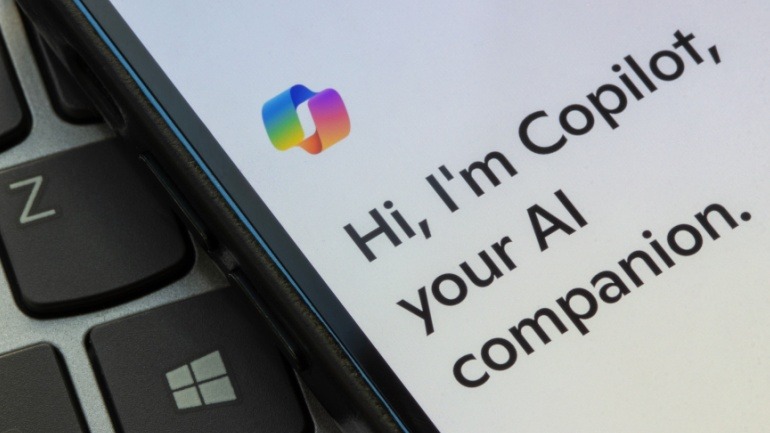
Microsoft’s AI ambitions face skepticism, especially concerning reliable execution in enterprise environments. Reports indicate Windows 11 challenges highlight stability concerns, crucial for business-critical systems. Organizations are wary of AI’s integration, fearing disruptions and increased support demands. Trust, organizational readiness, and evolving roles play pivotal roles in AI adoption within Microsoft’s ecosystem.