

The European Commission has approved €227 million to support ams Osram’s semiconductor plant in Austria. This facility will enhance Europe’s chip industry, reduce reliance on foreign suppliers, and produce advanced wafers for key sectors.

The European Commission has approved €227 million to support ams Osram’s semiconductor plant in Austria. This facility will enhance Europe’s chip industry, reduce reliance on foreign suppliers, and produce advanced wafers for key sectors.

Verizon and AT&T have achieved a breakthrough in satellite connectivity, completing NTN video calls via AST SpaceMobile’s Bluebird LEO satellites. This innovation enhances communication in remote areas, with AST SpaceMobile promising 120 Mbps speeds.

The introduction of the virtual phone system has resulted in a massive leap forward for business communications. For many years, the hardware telephony system, primarily the on-premise Private Branch Exchange (PBX), was the gold standard for handling phone calls. These systems, while effective in the past, come with the disadvantages of significant hardware costs, complex setups, limited capabilities, and burdensome maintenance requirements. The combination of VoIP and the virtual phone system has taken business communications by storm, and the relevance and practicality of traditional PBX hardware has come under intense scrutiny. This inflexible system is reliant on unwieldy physical infrastructure and is rapidly being replaced by agile, cloud-based solutions that offer cost savings, flexibility, scalability and increased productivity. In this article, we will explore the major advantages of virtual phone systems over legacy platforms. This comparison will clearly illustrate why so many businesses are ditching their hardware, moving to cloud…

Chunghwa Telecom and Ericsson have unveiled an advanced 5G network slicing solution, enabling enterprises to activate customized network slices on demand. This innovation enhances network performance, flexibility, and efficiency for critical operations.
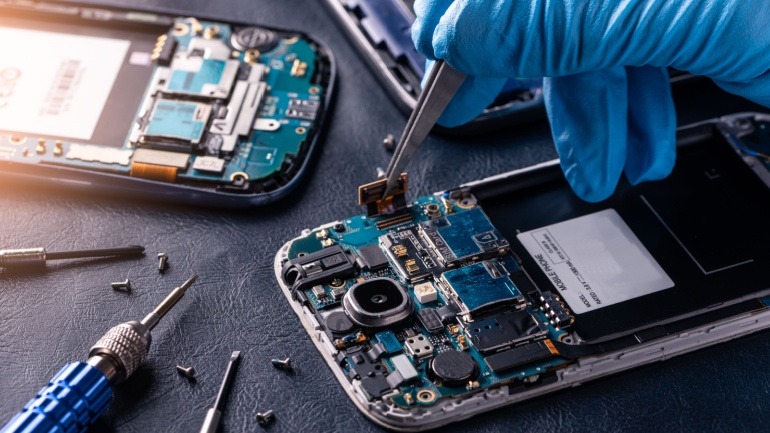
Apple’s iPhone C1 modem chip marks a major shift in reducing reliance on Qualcomm, targeting an 80% cut by 2026. The 4nm modem, debuting in the iPhone 16e, enhances network performance but lacks mmWave 5G.

The Next Generation Mobile Networks Alliance (NGMN) has unveiled a transformative roadmap towards 6G. This framework addresses current 5G challenges, emphasizing a seamless evolution that integrates cutting-edge technologies.

China Unicom is spearheading an ambitious 5G-Advanced (5G-A) rollout, aiming to cover 300 cities by 2025. This substantial initiative highlights their commitment to network enhancement, offering blazing 5Gbps to 10Gbps speeds.

Telefónica has selected Nokia to supply 4G and 5G core network services for enterprises in Spain, enhancing low-latency solutions like industrial robots and IoT. Simultaneously, Telefónica is advancing its quantum strategy with the BasQ Alliance, hosting Fujitsu’s Digital Annealer to drive innovation in finance, energy, and telecom.

Ericsson, Dell, and Red Hat are advancing Open RAN by innovating on O-RAN standards, focusing on interoperability and cloud-native solutions. Their collaboration on the O2 interface enhances seamless multi-vendor integration, ensuring efficient network management.

Meta’s Project Waterworth sets a new benchmark in subsea cable infrastructure, aiming to enhance global connectivity through over 50,000 kilometers of cables. This groundbreaking effort will streamline voip services across continents, crucial for sustaining global communication.
