Telefónica Deutschland (O2 Germany) enhances its technological edge through a renewed partnership with Capgemini, focusing on Artificial Intelligence (AI) solutions. This strategic collaboration aims to transform service delivery, improve customer interactions, and optimize networks. By integrating AI, Telefónica looks to revolutionize telecommunication operations, setting a new standard in the industry.

The telecommunications industry is on the brink of a revolution with the integration of Agentic AI, spearheaded by Huawei. This innovative approach promises to redefine how telcos operate by enhancing efficiency and creating new revenue possibilities. By adopting AI, companies can optimize operations, improve customer experiences, and streamline business processes.
Vodafone is making waves in the telecommunications world with plans to upgrade their network and boost B2B IT capabilities. These moves promise big changes as SpaceMobile gears up to leverage its value. By focusing on core markets and exploring innovative solutions like branded calling, Vodafone aims to transform connectivity and enhance user experiences.
The UK government’s Barrier Busting Task Force aims to address increasing demand for high-speed internet by removing obstacles in deploying Gigabit upgrades in multi-dwelling units. This initiative, in collaboration with organizations like CityFibre and the Internet Service Providers’ Association, focuses on enhancing VoIP connectivity across the UK while simplifying access rights legislation.
In today’s dynamic telecommunications landscape, Dell Technologies and AMD are pioneering transformation with AI-driven solutions for communications service providers. As 5G deployment phases complete, CSPs must embrace advanced strategies to tackle network complexities and enhance connectivity services. AI’s role in boosting efficiency and driving telecom service innovation is vital.
SaskTel’s integration of Samsung’s cloud-native virtualized core revolutionizes its network infrastructure for a seamless transition to 5G. This innovative approach enhances agility, network efficiency, and automation, aligning SaskTel with the future of telecom. As SaskTel prepares for 5G standalone, expect remarkable improvements in speed and service delivery.
The UK government is bolstering telecom consumer protection by engaging major operators like BT, Virgin Media O2, and Vodafone to prevent unexpected price hikes in contracts. With the telecom sector’s evolution, emphasizing transparency ensures that consumers can trust their mobile and broadband providers, safeguarding connectivity and fostering digital growth.
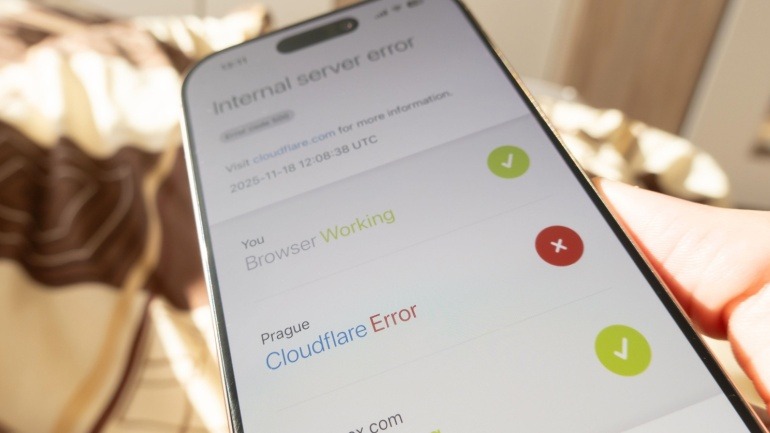
The Cloudflare outage highlights critical issues in VoIP and enterprise infrastructure’s reliance on a few providers. This dependence can lead to vulnerabilities, challenging assumptions about reliability. Businesses may need to rethink strategies to avoid single points of failure. Resilience, modernization, and regulatory focus are essential to ensure stability in VoIP services.
Amid Black Friday’s digital communication surge, Sinch reported a 144% increase in AI-powered Rich Communication Services. Businesses increasingly favor rich messaging formats, blending traditional channels like SMS and email with interactive VoIP solutions. This shift underscores the essential role of AI in creating standout conversational experiences in competitive markets.
BT Group is navigating market challenges under CEO Allison Kirkby, with an emphasis on “solid delivery” in voip services and network development. Despite competitive pressures, BT is transitioning to a more asset-light strategy, focusing on innovation and strategic partnerships. Cybersecurity remains a top priority as BT invests in robust protection measures.