Mitel’s hybrid VoIP strategy offers an innovative approach to modernizing business communications. By integrating AI and cloud solutions with existing systems, companies can enhance their operations without a full system overhaul. This flexible model lets businesses maintain stability while exploring new VoIP capabilities tailored to specific industry needs.

As the IoT landscape evolves, CSPs face the dual challenge of ensuring robust VoIP connectivity across borders while navigating stringent regional data privacy laws. Compliance with regulations like GDPR and India’s DPDP Act is critical to avoid penalties. Local breakout services offer CSPs a strategic advantage, enhancing VoIP performance and compliance. Kaleido Intelligence’s report emphasizes the need for IoT service providers to prioritize compliant, locally-tailored connectivity solutions. This strategic approach not only meets legal standards but also positions providers as market leaders, underscoring the importance of compliance-driven growth in the rapidly advancing IoT arena.
SK Telecom, a leader in VoIP technology, is boosting its data infrastructure with plans to expand its data center in Ulsan, South Korea, and build a new facility in Vietnam. Integrating cutting-edge technology, these advancements solidify SK Telecom’s commitment to enhancing data services, supporting the global shift towards advanced technological solutions.
Vodafone’s exciting joint venture with SpaceMobile is forging ahead with a Satellite Operations Centre in Germany. Set to launch in 2026, this ambitious project will boost satellite-based cellular broadband across Europe. Vodafone’s commitment to satellite technology enhances public safety and disaster relief, offering valuable communication solutions in remote areas.
Discover the future of telecom with exciting trends set to reshape the VoIP landscape by 2026. From AI-driven automation enhancing customer interactions to the integration of MVNOs and Travel eSIMs boosting global connectivity, these innovations promise to revolutionize the industry. Operators, vendors, and investors must embrace these transformative forces for growth.
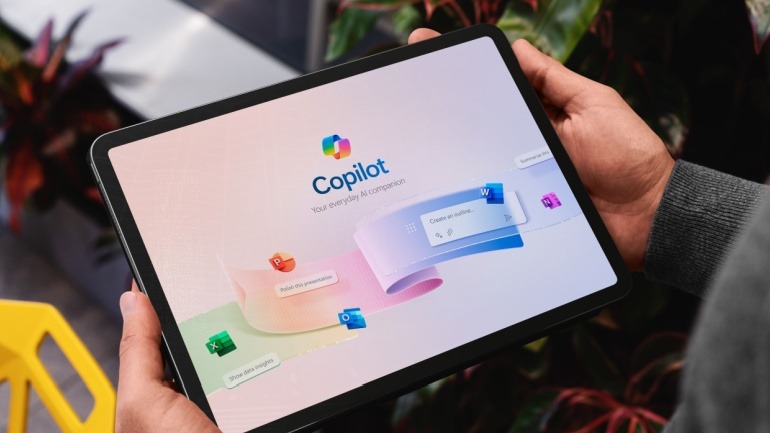
Microsoft made significant strides in AI and collaboration tools, with major updates in its Copilot data processing capabilities, set for expansion in 15 countries by 2025. The integration of voice commands into Copilot enhances seamless workflows on mobile, while regulatory scrutiny prompts Microsoft to address pricing transparency issues and improve security in Teams.
Nokia and Latvian telecom operator LMT have joined forces to enhance Baltic defense communications using Nokia’s 5G technology. This strategic collaboration promises a high-capacity, secure system for defense operations, enabling real-time data exchange and secure interoperability. By leveraging 5G’s high-speed connectivity, this partnership aims to advance military capabilities and strengthen defense strategies.
Costa Rica is ambitiously moving towards nationwide 5G network establishment. ICE, the telecom leader, has completed its tender and is reviewing proposals. This billion-dollar project seeks to elevate Costa Rica’s digital connectivity. ICE’s tender received global bids from giants like Nokia and Huawei, reflecting international confidence in its vision.
Cisco’s revolutionary 360 Partner Program is set to transform the telecommunications landscape in January 2026. With a focus on AI and edge technology, this initiative emphasizes collaborative co-design with partners for customer-centric goals like campus network updates and AI integration. From cross-sell bonuses to the Partner Incentive Estimator, the program is designed for VoIP partners aiming to maximize profitability. Leveraging Cisco’s evolving ecosystem, managed service providers will benefit from secure AI certifications and enhanced enablement resources, paving the way for lucrative, recurring service relationships in the VoIP industry.
Huawei’s Xinghe AI Fabric 2.0 revolutionizes distributed data centers by harnessing AI to combat challenges and enhance network security and operations. As the VOIP landscape evolves, this move addresses growing demands for low latency and resilience. Discover how AI-driven innovations are setting a new performance standard in data center management.