Leadership changes at prominent telecom companies like Eutelsat and Vantage Towers signal significant shifts within the industry, highlighting potential challenges for management stability. Amidst this reshuffling, the UK’s alternative network sector is also seeing dynamic modifications, such as executives departing companies like MS3 Networks. These transitions can impact the industry’s strategic execution, necessitating effective communication and focus on VoIP technology adaptation. As these businesses navigate evolving market conditions, leveraging new perspectives becomes crucial to maintaining momentum and achieving growth in telecom and VoIP landscapes.
Data centers are at a crossroads with the surging demand for AI. To enhance VoIP performance, centers must focus on optimizing infrastructure—particularly network capacity and reliability. Implementing next-gen Ethernet solutions can ensure seamless VoIP communication, crucial for AI-driven tasks. Efficient data flow and resource management will prioritize energy savings.
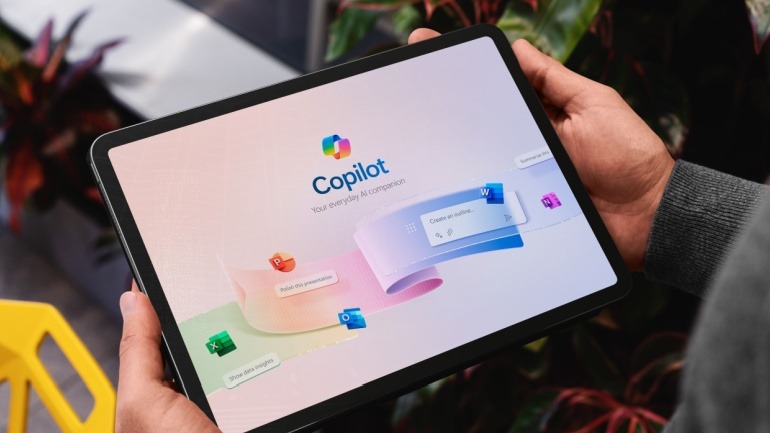
Microsoft made significant strides in AI and collaboration tools, with major updates in its Copilot data processing capabilities, set for expansion in 15 countries by 2025. The integration of voice commands into Copilot enhances seamless workflows on mobile, while regulatory scrutiny prompts Microsoft to address pricing transparency issues and improve security in Teams.
The UK telecom industry is launching a Telecommunications Fraud Charter to combat scam calls effectively. Key players like BT, Virgin Media O2, and Vodafone are collaborating to protect consumers using advanced call tracing technology. This initiative aims to deter fraudsters while boosting public awareness and support for victims of VoIP scams.
Amazon Web Services is making a significant move in South Korea with a $5 billion investment in AI data centers. This aligns with the country’s ambition to lead in AI technology within Asia. AWS CEO Matt Garman’s meeting with South Korean President Lee Jae Myung highlights this commitment, strengthening AWS’s presence.
Enterprises increasingly embrace Microsoft Teams Phone for streamlined business communication, integrating crucial calls with daily tasks. Over 93% of Fortune 100 companies use Microsoft Teams, with 20 million global users. By merging calls, chats, and meetings, businesses cut outdated PBX costs and enjoy a unified, secure cloud communication platform.
SpaceX’s Starlink project has secured provisional approval from UK regulator Ofcom for E band spectrum access, significantly enhancing its satellite network’s backhaul data capacity. This move addresses the UK’s current demand-driven capacity constraints. By utilizing three ground stations, Starlink aims to improve service quality, compete effectively, and optimize costs.
Cybersecurity in the VOIP industry faces escalating threats as AI advancements surge. John Grancarich, Fortra’s Chief Strategy Officer, emphasizes combining offensive testing with defense to prevent attacks like reconnaissance and data exfiltration in VOIP systems. Integrating AI for generative security, threat detection, and SOC automation is crucial to enhancing protection.
Lenovo’s AI-powered PCs are revolutionizing enterprise VoIP through digital assistants that enhance workflow, automate tasks, and improve decision-making. This strategic move allows businesses to deploy AI agents within their telecommunication systems, ensuring seamless operations. With Lenovo’s innovative approach, enterprises can experience enhanced productivity and robust security in their VoIP infrastructure.
In a strategic twist for the VoIP sector, Altice has rebuffed a bold €17 billion bid from telecom giants Bouygues, Iliad, and Orange to acquire SFR assets. This move highlights the ongoing competitive dynamics in the VoIP market, emphasizing Altice’s valuation expectations while sparking discussions on potential regulatory implications within the telecom industry.