Volkswagen’s push to embed generative AI in vehicle engineering signals a software-defined future relevant to VoIP providers. From automated testing to connected-car cloud platforms, its strategy mirrors telecom automation, network monitoring, and VoIP service innovation while raising safety, accountability, and AI governance concerns for engineers and operators tracking digital transformation.

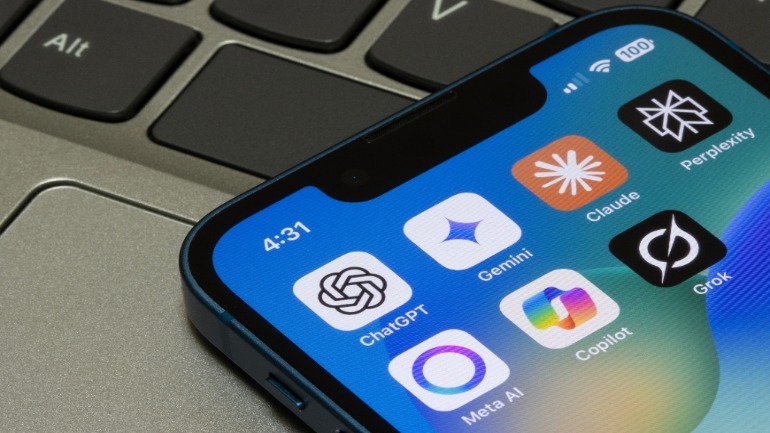
Meta AI’s new automated tasks could reshape VoIP and unified communications by turning WhatsApp and Meta AI into proactive workflow hubs. From daily briefings to scheduling alerts and business updates, agentic AI may help teams streamline customer conversations, manage tasks, and boost productivity across modern cloud communications platforms and VoIP.
US Supreme Court scrutiny of FTC independence is shaking the EU-US Data Privacy Framework, raising urgent questions for VoIP providers, telecom operators, and cloud communications platforms. As call records, messages, and sensitive network data cross borders, European businesses may need stronger compliance, data sovereignty, and secure VoIP infrastructure strategies now
Huawei, China Telecom Shaanxi, and SCG are transforming Xi’an tourism with 5G-A, AI, and high capacity mobile networks. At Datang Everbright City, faster uploads, livestreaming, maps, and VoIP-ready connectivity support smarter visitor experiences, proving how next-generation telecom infrastructure can monetize cultural tourism while enhancing digital heritage services for operators worldwide.
Tencent Cloud’s zero-downtime migration for Indonesia’s XLSMART signals a major leap in telecom cloud modernization. Moving 60 core apps, 1,200 microservices, 1,100 APIs, and 15TB of data, AI agents streamlined VoIP-ready infrastructure transformation, helping operators improve reliability, scalability, service continuity, and digital customer experiences across competitive Southeast Asian markets today.
AI is reshaping telecom and VoIP reliability by detecting network issues before outages hit customers. As operators face rising traffic, cloud complexity, and enterprise demand, smart automation helps prioritize faults, improve resilience, and support autonomous networks. The future of VoIP depends on trusted data, skilled engineers, and faster actionable insight
LeapXpert’s $180 million funding signals a major shift in VoIP, unified communications, and enterprise messaging. As WhatsApp, iMessage, Signal, and WeChat drive client conversations, regulated businesses need governed messaging, compliance archiving, and AI-powered workflows that protect data, preserve records, and turn conversations into actionable customer engagement intelligence for teams today.
PwC research shows AI is reshaping entry-level work, and VoIP teams are next. As automation handles ticket triage, call analysis, and network monitoring, junior staff need faster judgment, security awareness, and customer insight. For telecom leaders, smarter AI adoption must pair productivity gains with stronger training pathways for sustainable growth.
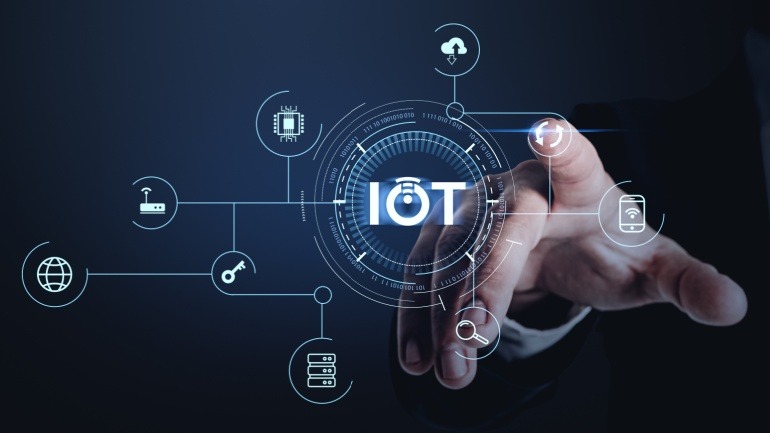
LoRaWAN is reshaping enterprise IoT connectivity with low-power sensors, affordable private networks, and long-range coverage that complements cellular IoT, 5G, and VoIP infrastructure. As AI-driven edge devices grow, LoRaWAN helps businesses connect meters, trackers, alarms, and industrial systems where cost, reach, and simplicity matter most for scalable digital transformation today
Microsoft Teams is strengthening VoIP meeting security with admin controls that automatically block detected external AI notetakers from calls. Arriving August 2026, the policy helps IT teams reduce compliance risk, protect sensitive conversations, and manage third-party transcription bots across Teams voice, video, and unified communications environments more effectively at scale.