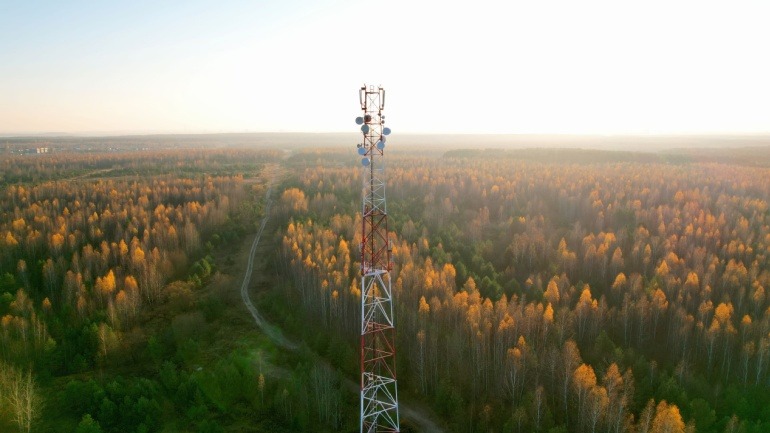
The UK’s Shared Rural Network has significantly boosted Wales’ communication infrastructure with 50 new mast upgrades. This initiative, supported by the UK government and major mobile operators like EE, Three, VMO2, and Vodafone, enhances rural mobile connectivity. Upgraded masts now offer reliable 4G services, bridging the rural-urban digital divide.
The AI revolution in telecommunications demands networks evolve into deterministic, programmable systems. At MWC 2026, Nokia’s focus was on transitioning from traditional SLAs to real-time AI traffic management. This involves partnerships with BT, Elisa, and more, driving investments in transport networks, crucial for facilitating seamless VoIP and data connectivity.
5G Standalone (SA) revolutionizes mobile networks in the UK, delivering unprecedented capabilities beyond non-standalone 5G. Ericsson’s Blessing Makumbe highlights UK’s progress in 5G SA, aiming for superior customer experiences. With major operators targeting extensive population coverage, the demand for enhanced connectivity services increases, as network slicing boosts enterprise benefits.
India’s ambitious 5G expansion project is projected to attract 1 billion subscribers by 2031, revolutionizing the telecom landscape. With over 500,000 5G base stations covering 99.9% of districts, the nation anticipates a significant shift as subscriptions rise from 400 million to 1 billion. This surge underscores India’s technological strides.
Microsoft Teams Phone has rapidly surpassed 26 million PSTN users, showcasing a significant growth in enterprise voice solutions. Despite being adopted by only 6% of its 350 million users, its integration with Dynamics 365 and partnerships with global telecoms enhance its appeal. With businesses seeking unified communications, Microsoft’s strategic roadmap remains crucial.
2025 marked a transformative era for the Test and Measurement sector, with groundbreaking advancements from orbital data centers to photonic AI satellites. A crucial highlight was Vodafone’s collaboration for 5G SA networks, enhancing telecom with automated software. Emerging markets like AI data centers and satellite communications experienced a notable focus shift.
Deutsche Telekom’s recent acquisition of fibre assets marks a pivotal step in enhancing Germany’s VoIP and internet services. By embracing fibre deployment, they aim to replace outdated copper networks and meet the surging demand for high-speed internet. This move highlights their commitment to expanding fibre infrastructure amidst competitive and regulatory challenges.
The UK government is bolstering telecom consumer protection by engaging major operators like BT, Virgin Media O2, and Vodafone to prevent unexpected price hikes in contracts. With the telecom sector’s evolution, emphasizing transparency ensures that consumers can trust their mobile and broadband providers, safeguarding connectivity and fostering digital growth.
O2 Germany has surged to prominence in the telecommunications arena, matching Vodafone Germany in connect magazine’s recent mobile network test. With significant investments in cloud radio access networks and enhanced infrastructure, O2 is redefining mobile connectivity standards. Strategic partnerships with Nokia and Ericsson ensure technological robustness, paving the way for their 4G and 5G advancements.
Orange OpenTech highlights the vital role of AI in transforming the telecom industry. Leaders at the event discuss the integration of AI with 5G and cloud computing, emphasizing improved operations and customer experiences. Despite challenges like data privacy, AI remains essential for growth and innovation in telecommunication.