LG Uplus recently faced a technical issue in its AI-based voice call application, ixi O, raising concerns over VoIP data security. A misconfigured caching system exposed private data of 36 users to 101 individuals. LG Uplus swiftly resolved the VoIP security flaw and assured no sensitive data was compromised.
The UK government is bolstering telecom consumer protection by engaging major operators like BT, Virgin Media O2, and Vodafone to prevent unexpected price hikes in contracts. With the telecom sector’s evolution, emphasizing transparency ensures that consumers can trust their mobile and broadband providers, safeguarding connectivity and fostering digital growth.
Discover how Internet Service Providers in the UK are transforming with value-added services to stand out in the competitive market. VoIP services, cloud gaming optimization, and cybersecurity tools are enhancing consumer experiences. Stay informed on the latest VoIP trends and how these innovations are reshaping internet services.
Telecom operators are transforming into key players in AI services, appealing to enterprises seeking seamless AI solutions. Historically focused on connectivity, telcos are now diversifying with AI infrastructure and tools. This shift, prompted by corporate demand, offers substantial growth potential as traditional revenue streams decline. Successful operators harness AI infrastructure, collaborating with platform developers to offer customized solutions and productivity tools. Their strategic advantage includes expansive networks and data centers, enabling competitive pricing and data sovereignty. However, to capitalize effectively, they need to overcome internal challenges and navigate competition from hyperscale cloud providers like AWS and Google Cloud.

Amid Black Friday’s digital communication surge, Sinch reported a 144% increase in AI-powered Rich Communication Services. Businesses increasingly favor rich messaging formats, blending traditional channels like SMS and email with interactive VoIP solutions. This shift underscores the essential role of AI in creating standout conversational experiences in competitive markets.
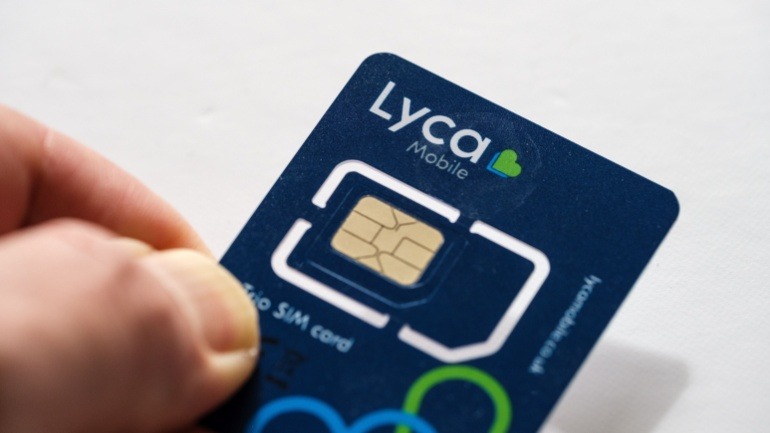
The rise of embedded SIMs, or eSIMs, heralds a transformative shift in mobile telecommunications, championed by leaders like Lyca Mobile. As the industry adopts these innovative solutions, the eSIM’s potential to enhance connectivity and customer experiences becomes undeniable. By eliminating physical cards, eSIM technology supports seamless interoperability across platforms. This advancement simplifies device-switching and optimizes user choices, positioning eSIMs as the future of digital connectivity. Enhanced security and reduced environmental impact further promote widespread eSIM adoption, promising a dynamic and adaptable mobile communication landscape.
Nokia and Telefónica Germany have extended their partnership to modernize the radio access network and accelerate 5G rollout, vital for Germany’s digital transformation. Nokia’s energy-efficient, AI-capable AirScale RAN solutions will enhance coverage and performance, while Cloud RAN and AI-driven tools promise advanced network management. This collaboration highlights their commitment to a connected future.
Meta’s recent announcement to update WhatsApp Business terms by removing Microsoft Copilot and ChatGPT by January 2026 signals a significant shift for organizations relying on these tools. This change necessitates swift evaluation of AI alternatives and urges businesses to rethink multi-channel AI strategies to avoid vendor lock-in while maintaining efficiency through adaptive solutions.
BT Group is navigating market challenges under CEO Allison Kirkby, with an emphasis on “solid delivery” in voip services and network development. Despite competitive pressures, BT is transitioning to a more asset-light strategy, focusing on innovation and strategic partnerships. Cybersecurity remains a top priority as BT invests in robust protection measures.
Optus faced another significant network disruption in southeast Melbourne, impacting 14,000 customers. This outage resulted from an aerial fibre break linked to copper theft, leaving users unable to connect with emergency services.