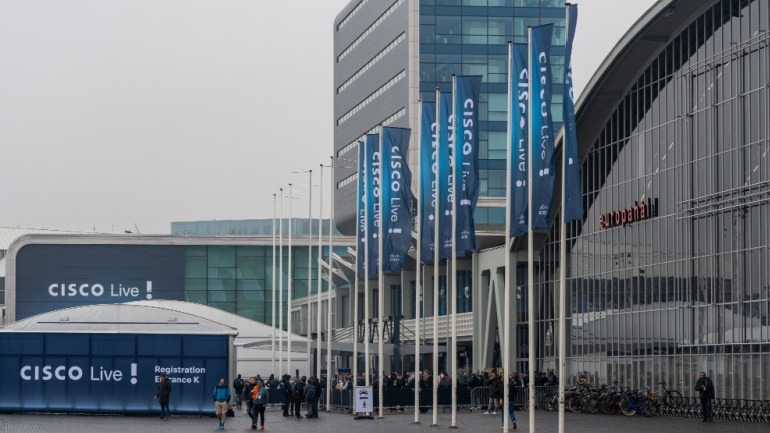
Cisco’s recent Live conference in Las Vegas spotlighted their groundbreaking Cloud Control platform. By integrating agentic AI into existing systems like Meraki and Nexus, Cisco aims to revolutionize enterprise IT infrastructure. This seamless integration enhances VoIP capabilities by ensuring better network management and connectivity, solidifying Cisco’s position in the VoIP market.
Cisco Live 2026 unveiled a transformative era for managed connectivity, spotlighting agentic networks powered by Cisco Cloud Control and AI-driven operations. Key takeaways highlight Cisco’s robust platform, combining AI-ready data centers, secure connectivity, and digital resilience. These advancements promise to reshape the VoIP landscape, offering enhanced security and streamlined operations for SMBs.
The transformative power of AI in VoIP and hybrid work environments is undeniable. This cutting-edge technology not only optimizes operations but also significantly improves user experiences. By streamlining troubleshooting and enhancing customer service quality, AI diminishes operational inefficiencies. Embrace AI for VoIP to revolutionize service management and drive innovation forward.
Zoom’s recent financial report reveals robust growth in the VoIP sector, with revenue hitting $1.24 billion. Notable increases in enterprise and AI product lines highlight the company’s expanding market presence. AI Companion’s user base surged 184%, showcasing the strategic benefit of integrated VoIP and AI functionalities for businesses.
Cisco’s Model Provenance Kit revolutionizes AI model governance by enhancing transparency and security for third-party platforms. As businesses increasingly incorporate external AI tools, this innovative, open-source Python-based solution traces, verifies, and audits models. Its unique fingerprinting method ensures each AI model’s integrity, mitigating risks and safeguarding enterprise operations.
Cisco’s expansion of its Sovereign Critical Infrastructure portfolio in EMEA addresses the rising demand for data control amid AI and cloud adoption. Emphasizing digital sovereignty, Cisco’s strategy uniquely offers flexible deployment models, combining robust networking, security, and computing solutions. This ensures operational autonomy and aligns with evolving cybersecurity frameworks.
Cisco has issued urgent patches for critical Webex vulnerabilities, urging immediate updates to safeguard VOIP authentication and identity systems. These flaws, including SSO integration issues, could allow unauthorized VOIP access and identity compromises. Applying these patches promptly is crucial for organizations relying on secure VOIP communications.
The ever-evolving world of workplace technology faces a challenge with AI infrastructure shifting the dynamics of personal computing. As enterprise IT leaders anticipate rising demand for AI integration, a strategic pivot in device management becomes crucial. Exploring this AI-driven landscape can redefine VoIP systems, ensuring connectivity aligns with modern computing foundations.
In the world of UCaaS, selecting a vendor like Microsoft, Cisco, Zoom, or RingCentral is crucial for robust VoIP security. Evaluating certifications such as SOC 2 and ISO/IEC 27001, along with assessing Security SLAs, vendor transparency, and incident protocols, helps ensure that VoIP solutions remain secure and reliable.
Explore how AI is transforming industrial operations with 61% of organizations using live AI environments. Manufacturing leads the charge, driven by productivity and cost gains. Interestingly, AI is both a cybersecurity hurdle and solution, with 85% seeing security improvements. Key players must focus on connectivity, collaboration, and integration to harness AI’s full potential.