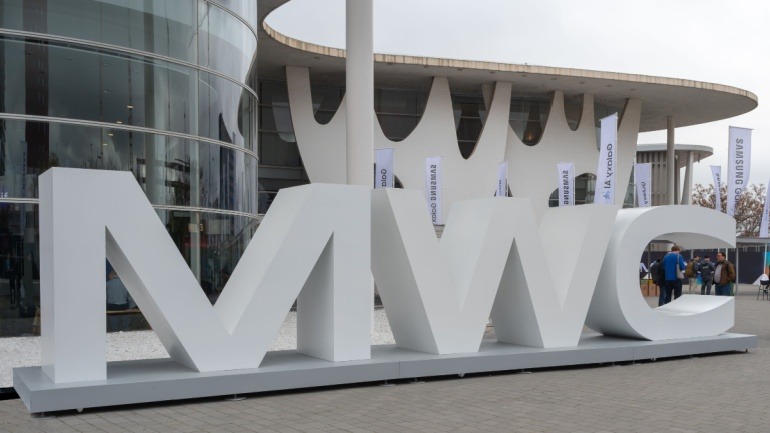
Unveiling of the Open Telco AI initiative at the Mobile World Congress 2026 marks a pivotal step in telecom industry evolution. By addressing the inadequacies of traditional AI through open collaboration, GSMA aims to revolutionize telco-grade AI. This initiative brings together industry giants, ensuring enhanced precision and reliability for network operations.

The AI era is set to transform telecommunications, reshaping networks and economic models. Mathew Oommen from Jio Platforms highlighted this shift at the Mobile World Congress. The AI-led transformation will redefine telecom networks, creating new opportunities valued in trillions. Telecom networks will underpin an “intelligence economy,” with AI integrated across sectors like energy and finance.
Turkcell’s strategic agreement with Huawei at Mobile World Congress 2026 aims to revolutionize VoIP and 5G technology landscapes. By enhancing AI capabilities and autonomous network innovations, both telecommunications giants will pave the way for cutting-edge VoIP solutions. This partnership underscores their commitment to delivering advanced connectivity technologies and pioneering sustainable 5G networks.
At Mobile World Congress, Arrcus showcased a breakthrough in AI and network infrastructure, highlighting the need for intelligent, policy-aware VOIP systems. As AI tasks shift towards edge computing, the demand for robust network fabrics grows. Arrcus’s innovative approach promises enhanced VOIP solutions, optimizing latency, throughput, and data management.
Explore the impending evolution of 6G at the 2026 Mobile World Congress in Barcelona, emphasized by Qualcomm CEO Cristiano Amon. Focusing on connectivity, computing, and sensing, this vision redefines mobile networks. Engage in how these innovations enhance VoIP performance and revolutionize telecommunications, ensuring seamless communication and AI-driven advancements.
Infovista’s groundbreaking AI-driven solutions, VistAI and VistaOne, introduced at the Mobile World Congress, mark an era of enhancing VoIP through advanced network and customer experience intelligence. These innovations bridge network performance with customer satisfaction. By integrating planning, testing, network management, and CX, Infovista is transforming VoIP interactions.
At the Mobile World Congress 2026, Vodafone’s CEO Margherita Della Valle stressed the critical need for safety standards in satellite communications. As VoIP integrates with satellite networks, it’s vital to establish rules that protect trust and ensure security. Collaborative efforts by leading operators can prevent a chaotic industry landscape.
The AI revolution in telecommunications demands networks evolve into deterministic, programmable systems. At MWC 2026, Nokia’s focus was on transitioning from traditional SLAs to real-time AI traffic management. This involves partnerships with BT, Elisa, and more, driving investments in transport networks, crucial for facilitating seamless VoIP and data connectivity.
Huawei is set to debut its Agentic Core solution at MWC 2026, propelling the commercial use of agent networks. This innovation leverages NE intelligence, network intelligence, and service intelligence, addressing AI era challenges like increased traffic and dynamic network needs. Huawei aims to enrich user experiences and unlock revenue streams for operators.
As wireless technology advances, Qualcomm is at the forefront of the 6G revolution, showcasing cutting-edge solutions at Mobile World Congress 2026. Key innovations include AI-native systems, digital twins, and enhanced RF performance, all designed to augment network efficiency and user experience. Qualcomm’s commitment to intelligent, adaptable 6G solutions promises a transformative impact on global connectivity.