Hybrid work is exposing phantom meeting rooms that look booked but sit unused. With VoIP, UC analytics, occupancy sensors, and platform telemetry, enterprises can uncover real room usage, improve collaboration technology, reduce wasted office costs, and optimize meeting spaces for better audio, video, and employee experience across the modern workplace.
VoIP and UCaaS projects often stall not from poor collaboration, but unclear ownership. When network, security, finance, and vendors share responsibility without one accountable leader, migrations slow and risks grow. Discover why enterprise communications success depends on clear decision rights, smarter handoffs, and accountability beyond meetings, tools, or AI workflows
PwC research shows AI is reshaping entry-level work, and VoIP teams are next. As automation handles ticket triage, call analysis, and network monitoring, junior staff need faster judgment, security awareness, and customer insight. For telecom leaders, smarter AI adoption must pair productivity gains with stronger training pathways for sustainable growth.
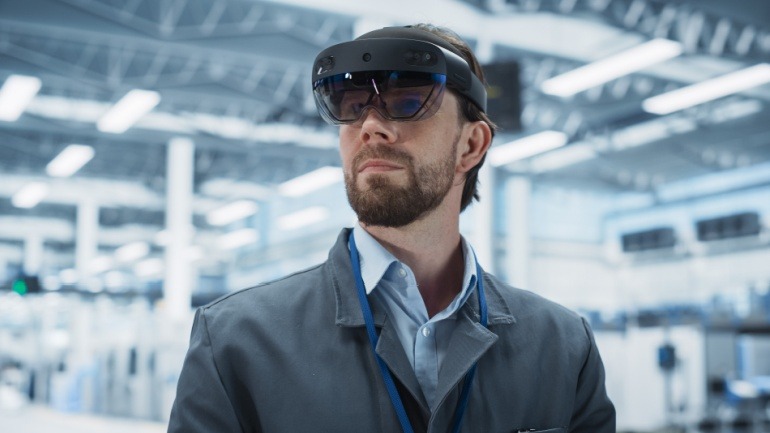
Enterprise XR succeeds when it redesigns workflows, not when it copies offices in virtual space. For VoIP and collaboration teams, immersive technology must reduce delays, improve remote expert access, and connect digital twins with business systems. Discover why XR, VoIP integration, and workflow alignment define the future of enterprise communication.
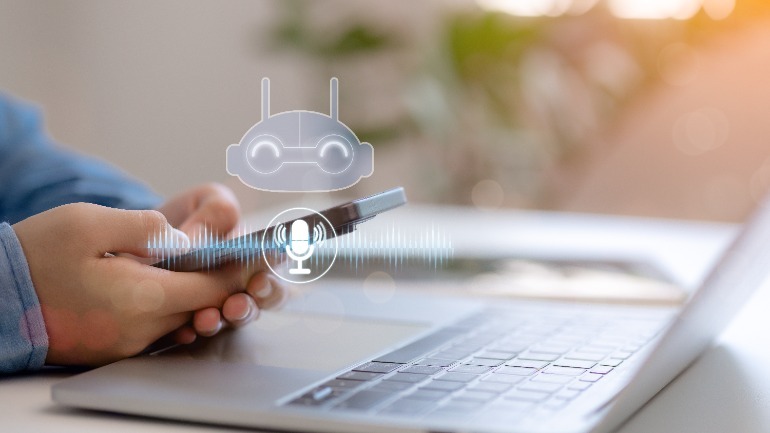
The transformative power of AI in VoIP and hybrid work environments is undeniable. This cutting-edge technology not only optimizes operations but also significantly improves user experiences. By streamlining troubleshooting and enhancing customer service quality, AI diminishes operational inefficiencies. Embrace AI for VoIP to revolutionize service management and drive innovation forward.
AI agents revolutionize workforce management by enhancing productivity insights beyond traditional VoIP status updates. Embedded in 40% of enterprise applications by 2026, they streamline workload assessments across platforms, offering real-time solutions. Unlike outdated self-reporting, AI-driven tools like Google’s Remy proactively identify issues, optimizing team dynamics and preventing burnout.
Canva’s AI 2.0 launch ushers in a transformative era for this renowned design platform, positioning it as a workforce automation powerhouse. With workflow automation, app connectors, and background task scheduling, Canva becomes a vital asset for enterprise IT teams, raising the question of its evolution into a comprehensive productivity suite.