

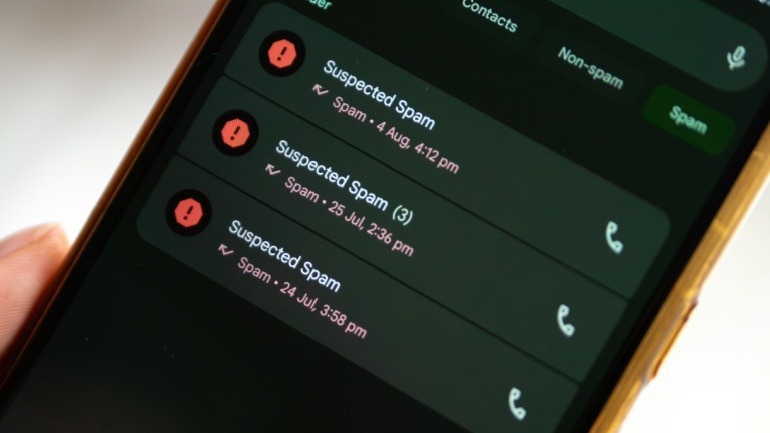
Virgin Media O2, in partnership with Hiya, triumphs in VoIP fraud prevention by identifying over a billion suspicious scam calls. The Call Defence service, powered by adaptive AI, proactively warns users about potential threats, safeguarding their communications. This advancement strengthens consumer trust and enhances VoIP call security efficiency.

Explore how hollow core fiber (HCF) is revolutionizing AI data centers. With its photonic-crystal fiber roots, HCF offers faster data transmission and less signal loss compared to traditional optical fiber. This advancement is crucial for industries needing reduced latency, potentially easing land and energy constraints while enhancing AI efficiency.

At Mobile World Congress, Arrcus showcased a breakthrough in AI and network infrastructure, highlighting the need for intelligent, policy-aware VOIP systems. As AI tasks shift towards edge computing, the demand for robust network fabrics grows. Arrcus’s innovative approach promises enhanced VOIP solutions, optimizing latency, throughput, and data management.

The Huawei Tech Cares Forum underscored the urgency of bridging the digital divide in the era of rapid AI advancements. With over 2.2 billion people lacking mobile internet access, the focus shifts to equitable digital integration. Huawei’s efforts, like the Partner2Connect initiative, aim to connect remote communities, addressing both infrastructure and digital literacy challenges.
The FCC has shifted from educating enterprises about E911 compliance to enforcing it, ending the “grace period” and heightening liability for C-suite leaders. Despite clear directives from Kari’s Law and RAY BAUM’S Act, nearly 40% of organizations remain non-compliant. This change demands urgent attention to phone system compliance for robust emergency access.

AI-driven solutions are revolutionizing VOIP security, addressing prevalent scams like voice spoofing and Wangiri calls. Telecom operators now utilize advanced AI systems for real-time audio analysis, voice fingerprinting, and behavioral monitoring, effectively blocking fraudulent calls before they reach victims. Though AI offers robust defenses, it requires continuous adaptation and collaboration to fully combat evolving threats in the VOIP landscape.

At MWC 2026, Orange CEO Christel Heydemann urged telecom operators to evolve amidst AI’s rise, focusing on trust. As AI integrates into daily life, telcos must create a reliable digital environment, not just offer connectivity. This requires privacy, cybersecurity, and transforming trust into a competitive edge.

Huawei has achieved an extraordinary feat, connecting 170 million people in remote regions, surpassing its 2025 goal. At a forum in Barcelona, CEO Yang Chaobin highlighted the importance of high-speed networks and advanced computing for digital inclusion. Huawei’s initiatives aim to bridge the digital divide, enhancing global connectivity.

Infovista’s groundbreaking AI-driven solutions, VistAI and VistaOne, introduced at the Mobile World Congress, mark an era of enhancing VoIP through advanced network and customer experience intelligence. These innovations bridge network performance with customer satisfaction. By integrating planning, testing, network management, and CX, Infovista is transforming VoIP interactions.

At the Mobile World Congress 2026, Vodafone’s CEO Margherita Della Valle stressed the critical need for safety standards in satellite communications. As VoIP integrates with satellite networks, it’s vital to establish rules that protect trust and ensure security. Collaborative efforts by leading operators can prevent a chaotic industry landscape.
