The direct-to-device (D2D) satellite connectivity landscape in Europe is changing rapidly. Insights from a recent Omdia report reveal a significant jump in interest as 22% of European mobile network operators engage with this technology through launches, trials, or partner announcements as of March 2026. This trend signifies growing confidence in its role in future mobile services.
Julia Schindler, Principal Analyst at Omdia, highlights the importance of integrating D2D satellite technology early. This proactive approach allows operators to test, partner, and discern customer needs, anchoring themselves ahead of the anticipated 6G era.
Currently, commercial D2D offerings are limited to basic messaging and data with modest monetization potential. However, its strategic value as a tool for enhanced coverage and network resilience is not to be overlooked. Operators commonly integrate it into premium packages or as optional add-ons.
The timing for testing and strategic alliances is crucial. Operators that capitalize on this early phase can fine-tune their market strategies, ensuring a competitive position when D2D evolves from niche to necessity.
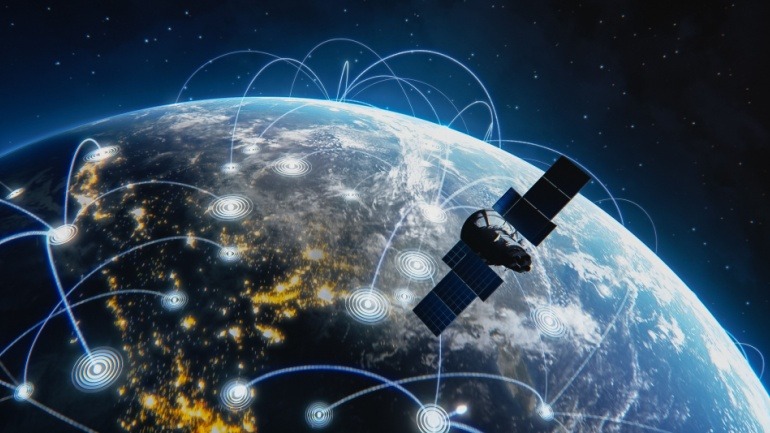
A key advantage for European providers comes from enabling unmodified smartphones to connect directly to satellites via existing mobile technologies. This ensures a scalable approach while seamlessly merging with traditional mobile services and billing systems.
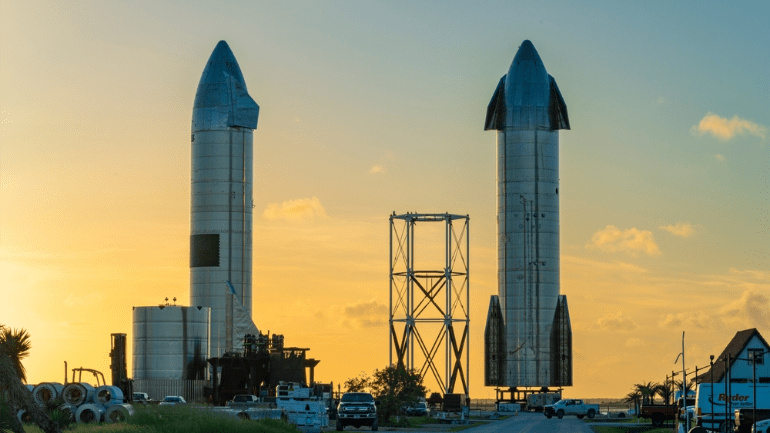
Despite Starlink’s rapid early deployment, factors like sovereignty and independent operation are driving many European telcos to pursue diverse vendor partnerships. This strategy promises flexibility and decreased dependency on a single partner as D2D integrates into national infrastructure. Satellite Connect Europe is emerging as a preferred partner for this diversification.
Operational and regulatory challenges remain, hindering broader commercial deployment. Spectrum availability and regulatory preparedness differ across countries, posing obstacles. Nevertheless, current D2D trials and services are paving the way for a future where non-terrestrial networks are integral to terrestrial systems.
Julia Schindler remarks that while today’s D2D capabilities are limited, their importance in future communication frameworks can’t be underestimated.
Across the Atlantic, T-Mobile US reports less than expected utilization of their T-Satellite D2D service. Srini Gopalan, CEO, noted that most engagements occur in national parks, following an underwhelming response since its launch in July 2025. Despite data enhancements in October 2025, user engagement remains below projections. The initial beta trial in January 2025 attracted 1.8 million eager participants, showing a gap between initial interest and practical application.
As D2D advances, telcos must address these usage discrepancies to realize its full potential and redefine customer experiences beyond terrestrial limitations.