



Amazon’s Project Kuiper and Vodafone join forces to bolster 4G and 5G availability in Europe and Africa using cost-effective low Earth orbit (LEO) satellites. This partnership aims to connect distant cellular antennas to core networks, enabling telecom services without relying on intricate fibre-based systems. With a larger goal of bridging the digital divide, the collaboration also plans to offer backup services for disruptions and connect distant infrastructure.

Deutsche Telekom, in collaboration with AirHop, Juniper Networks, VIAVI Solutions, and VMware, has been testing the waters to leverage telecom technology bound by Open RAN specifications. Treading an intriguing path of innovation, they trialed Non-RT RIC technology by performing a RAN closed-loop optimization proof, embraced by ONAP and Open RAN standards. The journey unfolded two pivotal use case scenarios revolving around PCI optimization and energy-saving dynamics powered by AI and machine learning.

CityFibre’s full fibre network in the UK now reaches 3 million premises, a rapid expansion when considering it connected 2 million just a year earlier. Recent key milestones include securing wayleave permissions and financial support totalling nearly half a billion pounds. Technological strides include the market launch of its XGS-PON service offering potential speeds up to 10Gbps. As these advancements continue to transform broadband, stay tuned for updates.

The Tribal Broadband Connectivity Programme (TBCP), funded primarily by President Biden’s Internet for All Initiative, has recently bestowed $3.5 million in grants among seven Tribal entities to accelerate internet access in these areas. Supported with an impressive $3 billion budget, the TBCP aims to reduce internet barriers and bridge the digital divide, promising a transformative effect. The initiative is facilitating internet connectivity for remote learning, boosting telehealth services, fostering employment opportunities, and more.

AT&T has delicately entered the 5G fixed-wireless access (FWA) industry with its Internet Air product, targeting a specific demographic and remaining wary of impacting its mobile and fibre operations. Discussing the challenges and benefits of this strategic approach, we examine its potential against market leaders T-Mobile and Verizon. Are they being too cautious? Are they possibly missing out on the emerging FWA boom in the U.S?.

Welcoming Nokia’s latest innovation — the 25G Passive Optical Network (PON) starter kit. Aimed at enhancing 10Gbs+ deployments, the kit empowers operators to expedite high-speed connectivity for diverse businesses. With the capacity to connect up to ten businesses, this move is amplifying the importance of 10Gbs business connectivity globally. Utilizing existing fiber assets, it offers unique prospect for delivering exceptional speeds to different enterprises, from schools to farms. Discussing the transformation this 25G PON technology brings, we delve into the views of industry insiders and parallel innovations in the works.

Nokia’s revamped home wifi software suite, now known as Corteca, promises to revolutionize in-home connectivity management and user experience. This holistic solution boasts advanced features like Corteca Cloud for network management and Corteca Device Software for device administration. More intriguing is the upcoming Corteca Marketplace, offering ‘try-before-you-buy’ applications, potentially opening new revenue horizons. Despite the anticipation, the question remains – will this alleviate users’ connectivity woes and truly enhance their in-home broadband experience? Stay tuned as the story unfolds.
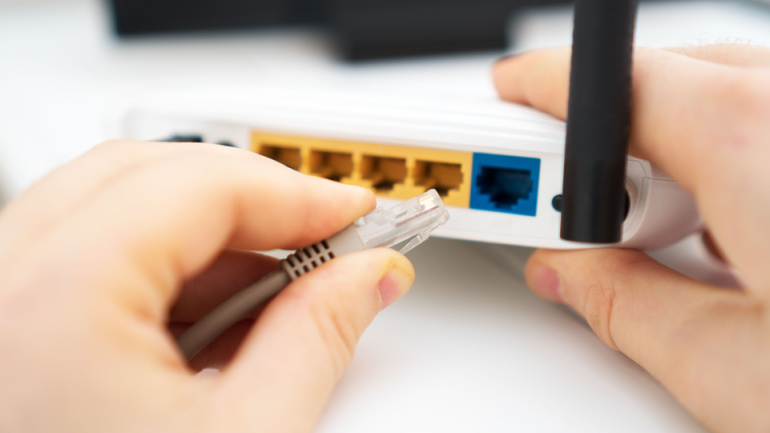
The uptake of fixed wireless access technology in the US is surging, especially with T-Mobile US and Verizon driving this trend. These telecom behemoths could potentially outstrip their predicted subscriber figures, as suggested by recent data. Both companies registered almost 900,000 customer net additions to their 5G-based fixed wireless services in just the second quarter.

Imagine assembling an intricate Lego structure – that’s precisely what building next-gen telecommunication networks feels like. Networks giant Cambium offers unique ‘Lego-like’ solutions that breathe life into the creative architectures planned by Internet Service Providers (ISPs). A spectrum of technologies encompassed by Cambium’s ONE Network – ranging from outdoor Wi-Fi access points to top-tier security – weaves a seamless tapestry from edge to cloud. But, it’s not all about gear and wires. Cambium’s technology is a fusion of robust security, user-friendliness, and high-grade end-user experience.

The Italian government’s decision to acquire a stake in TIM’s NetCo operation could smooth the path for its sale. Undoubtedly, this move will give the government a stronger voice in future strategic decisions. Despite initial concerns regarding the re-nationalization of certain telecom assets, the involvement of the state-owned Cassa Depositi e Prestiti in the process and the pending approval from the EU suggest that there is a potential for a favorable outcome for TIM. Yet, potential hurdles include the disagreement over asset valuation with the French firm Vivendi.
