



The European Union Cyber Resilience Act is transforming how organizations enhance cybersecurity. Despite implementation hurdles, the CRA demands a “security by design” philosophy, urging IT security teams to report vulnerabilities promptly. Many businesses are creating dedicated teams and utilizing automated platforms like ONEKEY to navigate CRA compliance, addressing sophisticated cyber threats effectively.

Verizon is set to implement its largest wave of layoffs, targeting 15,000 positions, under new CEO Dan Schulman. This bold move aims to redefine Verizon’s competitive stance in the wireless market amidst strong challenges from competitors like AT&T and T-Mobile. The strategic layoffs and retail transition signify a pivotal realignment for Verizon.
Leadership changes at prominent telecom companies like Eutelsat and Vantage Towers signal significant shifts within the industry, highlighting potential challenges for management stability. Amidst this reshuffling, the UK’s alternative network sector is also seeing dynamic modifications, such as executives departing companies like MS3 Networks. These transitions can impact the industry’s strategic execution, necessitating effective communication and focus on VoIP technology adaptation. As these businesses navigate evolving market conditions, leveraging new perspectives becomes crucial to maintaining momentum and achieving growth in telecom and VoIP landscapes.
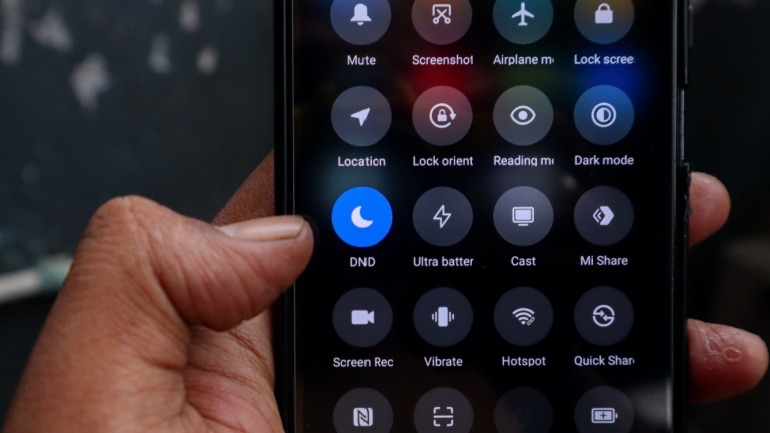
In an era where always-on digital connectivity was expected to boost productivity, surprisingly, studies reveal the contrary. Twilio’s research indicates that 40% of workers face distractions from constant notifications, hampering their efficiency. Organizations now consider digital silence policies to balance connectivity and focus, ensuring effective VoIP communication isn’t compromised. Implementing strategies like automated ‘Do Not Disturb’ settings on VoIP platforms such as Slack can optimize uninterrupted work periods. Meanwhile, workplace culture shifts and leadership endorsement encourage a supportive, digitally balanced environment, promoting long-term employee productivity and well-being.

In the ever-evolving tech cold war, the European Union carefully navigates Huawei’s controversial presence by utilizing a strategic ‘toolbox’ of recommended security measures. As the EU weighs a potential ban, VoIP technologies could see significant shifts depending on alliance formations and geopolitical pressures, significantly impacting global telecommunications infrastructure.

Apple is pioneering groundbreaking satellite connectivity features for iPhones, marking a substantial evolution in mobile communications. By enhancing satellite messaging with photo transmission capabilities, improving navigation in no-signal zones, and easing indoor connectivity, Apple leverages partnerships to push boundaries. iPhone users can expect revolutionary advances, especially in areas where traditional networks fall short.

Discover the future of telecom with exciting trends set to reshape the VoIP landscape by 2026. From AI-driven automation enhancing customer interactions to the integration of MVNOs and Travel eSIMs boosting global connectivity, these innovations promise to revolutionize the industry. Operators, vendors, and investors must embrace these transformative forces for growth.

In a surprising twist, EchoStar has reached a groundbreaking agreement with SpaceX to sell its AWS-3 spectrum licenses for $2.6 billion in stock. As SpaceX acquires these frequencies, the deal boosts its plans to offer direct-to-device services. This development aligns with EchoStar’s strategy to offload spectrum, creating potential VoIP opportunities by possibly enhancing SpaceX’s connectivity solutions in consumer and enterprise markets. Speculation is rampant regarding SpaceX leveraging this acquisition to expand into the cellular market, potentially positioning itself as a significant player. The integration of spectrum with satellite technology further intensifies competition and could revolutionize VoIP services.

The UK telecom industry is launching a Telecommunications Fraud Charter to combat scam calls effectively. Key players like BT, Virgin Media O2, and Vodafone are collaborating to protect consumers using advanced call tracing technology. This initiative aims to deter fraudsters while boosting public awareness and support for victims of VoIP scams.

Telefonica’s transformative strategy “Transform & Grow” emphasizes modernization, AI innovation, and customer experience enhancement across key markets. Aimed at becoming a leading European operator, the plan includes boosting efficiency and expanding in consumer and business sectors, with an eye on connectivity improvements and financial growth through optimized VoIP services integration.
