Stanford Medicine’s Justin Scord urges VoIP and collaboration teams to approach AI with discipline, not hype. At InfoComm 2026, he emphasized scalable, supportable systems, data-backed vendor claims, and careful AI adoption across unified communications, cloud calling, meeting rooms, and healthcare workflows where reliability, privacy, and governance are essential for providers

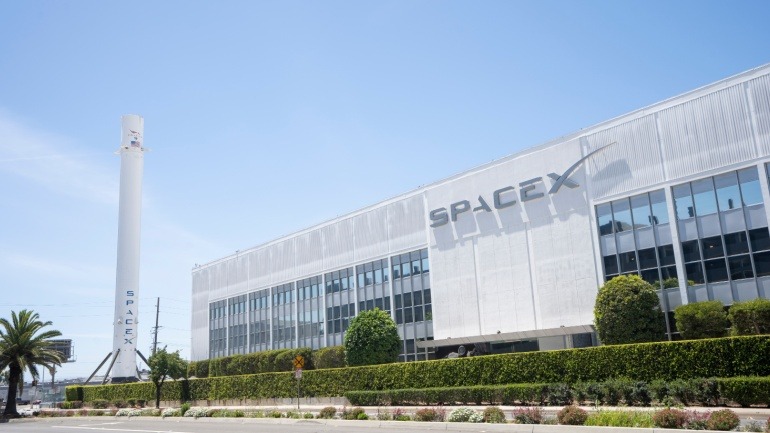
SpaceX’s $60 billion Cursor acquisition could accelerate AI-driven software development across Starlink, satellite broadband, and VoIP infrastructure. For telecom providers, the deal signals faster network automation, smarter coding workflows, and improved service reliability. As AI reshapes communications technology, VoIP operators should watch how SpaceX turns developer intelligence into operational advantage
Lloyds Banking Group’s plan to hire 300 AI specialists shows automation still needs human expertise. For VoIP, cloud communications, and contact-center leaders, the move highlights how AI, LLMs, and agentic automation can improve customer service, fraud detection, and workflows while demanding skilled engineers, governance, integration, security, compliance, and ongoing training.
Cisco and Zoom are reshaping enterprise VoIP collaboration with native Zoom Rooms on Cisco devices. The launch helps IT teams modernize meeting rooms, improve video conferencing experiences, and unlock AI-powered workplace analytics while preserving premium Cisco hardware. As hybrid work grows, room technology becomes critical communications infrastructure for business calling.
The transformational landscape of telecom testing is evolving with the complexities of AI-integrated, cloud-native networks. Continuous validation processes are replacing traditional verification, ensuring seamless cross-technology integration. AI enhances telecom testing by enabling systems to adapt and learn, while real-world performance is the key to unrivaled VoIP network quality.
Taara is transforming AI infrastructure with its wireless optical communication solution, offering fiber-like data transmission using invisible light beams. This innovation eliminates the challenges of laying physical fiber, ensuring quick deployment and high-capacity connectivity. As AI’s data demands surge, Taara’s WOC becomes essential for agile, reliable communication solutions.
Orange Business is revolutionizing the VoIP landscape by integrating AI into their network services through the Live Intelligence platform. This innovative approach offers VoIP enterprises reliable AI solutions, emphasizing carrier-grade reliability and compliance. By fostering human involvement in AI configuration management, Orange ensures optimal service uptime while prioritizing data integrity and security.
SK Telecom redefines AI by treating agents as digital employees. Through its AX Innovation 2.0 initiative, these AI colleagues feature employee-like IDs and role-specific access. The plan includes deploying AI per employee across 25 SK Group companies, streamlining tasks and fostering innovation with robust security and governance models.
China is formulating a robust plan to enhance its domestic AI capabilities with a vast network of computing hubs, involving leading telecom operators like China Mobile and China Telecom. This initiative aligns with China’s national infrastructure strategy, aiming for a self-reliant AI network.
Telecom operators are under pressure to modernize their Business Support Systems and Operations Support Systems in light of 5G and IoT expansion. The traditional, resource-heavy approaches are unsustainable. Celfocus advocates for a strategic AI-driven framework that streamlines integration, driving efficiency and security, crucial for fast-paced digital transformations.