EXA Infrastructure’s Meridian subsea cable will boost US-UK connectivity with 500 Tbps capacity by 2029, strengthening transatlantic bandwidth for cloud, AI, carriers, and VoIP providers. Linking New Jersey to Brean, the single-operator route promises resilient, high-capacity network options for enterprises planning future voice and data services across global communications markets

USTDA-backed THUS subsea cable could transform VoIP connectivity between Thailand, Southeast Asia, and the United States. By avoiding the South China Sea, the 18,500-kilometer route promises lower latency, stronger network resilience, secure cloud access, and expanded international capacity for carriers, data centers, AI platforms, and business communications across Asia-Pacific markets.
Satellite direct-to-device services are reshaping mobile spectrum policy, opening new possibilities for VoIP connectivity, rural coverage, emergency calling, and 5G integration. As regulators balance NTN innovation with interference risks, telecom providers must prepare for a converged future where mobile networks, satellites, and voice over IP services work together globally securely.
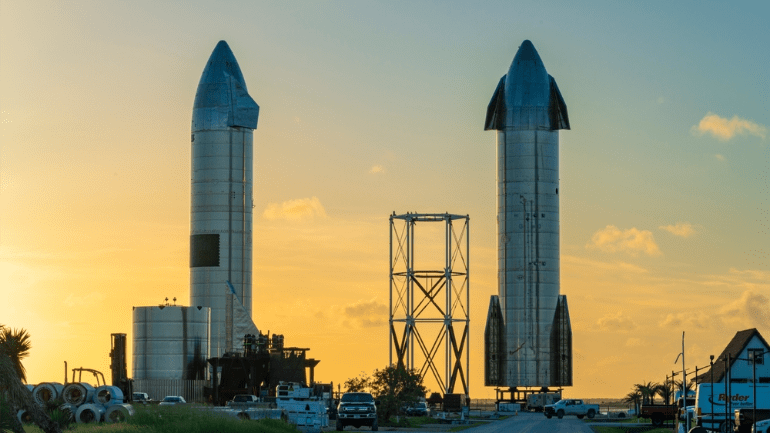
SpaceX’s next Starship flight could boost Starlink broadband with 26 high-capacity V3 satellites, adding massive bandwidth for rural connectivity, mobile service, and future direct-to-device voice. For VoIP providers and users, stronger low-Earth orbit capacity may mean better call quality, lower latency, and expanded satellite internet coverage where fiber cannot reach.
Regional carriers must accelerate 5G standalone upgrades, secure spectrum access, and use AI-driven automation to compete with national networks. For VoIP providers, stronger rural broadband, lower latency, and reliable mobile infrastructure can unlock better voice services, cloud communications, and customer experiences as investment pressure rises ahead of 6G planning cycles.
Telecom and VoIP providers face mounting pressure as Telenor’s Myanmar legal case highlights data security risks, sanctions compliance, and network responsibility. Meanwhile, Nokia’s AI-RAN, BT drone connectivity, Vodafone broadband uncertainty, Google AI infrastructure, and O2 5G standalone rollout show how global communications networks are rapidly evolving for enterprise VoIP services
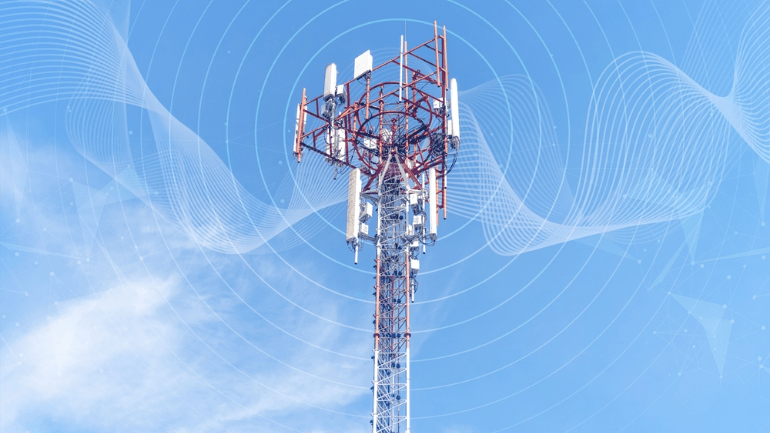
UK mobile infrastructure planning delays threaten 5G, VoIP services, IoT growth, and reliable digital connectivity. Cornerstone warns lost rooftop sites can take years to replace, costing operators millions. Faster approvals, taller masts, and stronger site protection are vital to safeguard national networks and support future cloud, AI, and voice communications.
Regional U.S. carriers are redefining connectivity as mobile, broadband, satellite, and AI infrastructure converge. For VoIP providers, this shift means stronger rural coverage, smarter edge networks, and new fixed wireless opportunities. Fiber-backed towers, satellite gap filling, and AI-ready sites could transform voice, data, UCaaS, and business communications nationwide across markets
Record semiconductor growth is reshaping VoIP, telecom, and cloud communications. As AI, 5G, edge computing, DRAM, NAND, and microprocessors drive chip demand, network operators gain faster routing and smarter automation but face rising equipment costs. Semiconductor availability now directly impacts VoIP infrastructure, scalability, service quality, and competitive network planning worldwide.
Zankore is fueling Indonesia’s AI and VoIP future with $3.1 billion in infrastructure financing, backed by Indosat Ooredoo Hutchison, Nvidia, and Nokia. The new AI factory and neocloud platform could boost 5G, edge computing, low-latency cloud communications, and enterprise VoIP services across Southeast Asia’s fast-growing digital market at scale regionwide