4690 Results

AT

Search

The European Commission is urging member states to conduct shared risk assessments in key tech realms including advanced semiconductors, AI, quantum tech, and biotech. Amidst the cloud of geopolitical tech skirmishes, EU stands poised to protect sensitive technologies and is resolved not to preemptively decide on any corrective measures. Only time will reveal the Commission’s next steps after risk assessments.


Securing a nearly $2 billion loan, Reliance Jio fortifies its ambition in the 5G arena. The funds will enhance Jio’s growth with the acquisition of leading-edge Nokia 5G equipment. Planning one of the fastest 5G rollouts, it’s further partnering with Samsung and Ericsson. Please note, success breeds competition and Bharti Airtel isn’t far behind.

Leading the way in private network establishment, the U.S. capitalizes on unique advantages from Citizens Broadband Radio Service (CBRS) and its innovative three-tiered spectrum approach. This nonpareil blueprint fosters efficient allocation of limited spectrum resources, empowering the expansion of private 5G networks. Riding this wave, companies like Quanta Cloud Technology and Intel synergize to create future-focused solutions, navigating challenges and setting the stage for 5G’s transformative potential.

Denmark’s leading telecommunication firm, TDC, is performing an internal review after fears of overleverage and slipping cash flow puts its credit rating at risk. The investigation is in early stages, with outcomes and possible transactions still unclear. However, TDC’s majority stakeholder, Australian firm Macquarie, will be watching closely. Despite a strategic split into separate business units last year aimed to accelerate growth, both have shown mixed financial results. Amidst increasing competition, TDC’s future is set against the backdrop of evolving telecommunications business models and industry debates.

Generative AI’s capacity to curate fresh content is piquing interest within the telecommunications domain with predictions of significant growth. A recent Altman Solon survey revealed that nearly half of the experts in this field are gearing towards adopting this technology within the forthcoming two years. Telecommunications companies are seen to utilize AI power initially to refine customer experiences. Alterations of these AI models to align with specific objectives and eventually, creating new industry-focused models are the subsequent phases. However, data protection concerns circulate around its adoption. Thus, an intricate balance must be reached in refining AI applications and ensuring data safety.

Summoning a significant tide in the telecommunications sector, 20 notable European telco CEOS, under the GSMA, urge EU policymakers for a comprehensive revamp of the present regulatory environment. They key point is the mounting need for major tech corporations to contribute to telco infrastructure costs in the midst of a data traffic surge. However, critics argue such proposal infringes upon net neutrality principles and imposes a dual-end payments system.

In a strategic overhaul, Singtel has sold its cybersecurity subsidiary, Trustwave, to MC2 Titanium in a $205 million transaction. The sale, which was on the lower end of predicted ranges, marks a significant loss on Singtel’s initial investment. This action is part of Singtel’s wider initiative to optimize resources and improve shareholder value by centring its focus on 5G and other digital services. This story brings a further glimpse into Singtel’s resculpting journey, with the effectiveness of this asset divestiture strategy awaiting a verdict in upcoming fiscal reports.

The emergence of 5G has ushered in a profound transformation in the telecom industry’s approach to charging, surpassing former phased shifts in monetization. It’s crucial for CSPs to establish a flexible charging system in tune with the fast-paced evolution of services, extending from 3G, 4G to fixed-line and 5G. Essential features of an effective charging mechanism certainly include flexibility, but also scalability and adaptability, to incorporate a range of services and adapt to continuous changes in service offerings. Network X, a standout telecom event, dedicates itself to exploring these issues and equipping attendees with strategic knowledge.

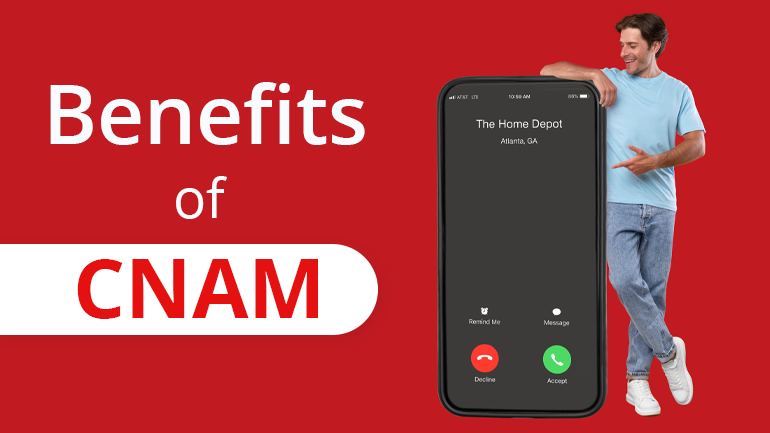
CNAM, or Caller Name Delivery, goes beyond Caller ID by revealing the caller’s name associated with their phone number. It enhances call identification, trustworthiness, and streamlines communication. Users can quickly recognize callers and identify potential spam calls, making it invaluable in various communication platforms. Check with your service provider to embrace CNAM’s power.

The telecommunications realm of Sweden and Denmark is on the brink of a substantial transformation, with Stonepeak’s impending acquisition of a 49% stake in Cellnex Nordics. Despite alterations in ownership, operational management remains with Cellnex. However, the agreement awaits regulatory approval, with full expectancy of completion by Q1 2024. The funding injection is anticipated to bolster Cellnex’s debt reduction strategy, aiming for a coveted S&P investment grade credit rating. Both parties share a positive outlook, viewing this step as critical in Cellnex’s broader shift towards consolidation.