3074 Results

NEC

Search

Ericsson is pushing AI-driven OSS/BSS modernization toward measurable VoIP and telecom business outcomes. As CSPs build autonomous networks, clean data, agentic AI, and trusted automation become essential for customer experience, network operations, monetization, and faster service launches that turn technology upgrades into real operator value across next-generation communications services worldwide.

Rakuten Mobile is reshaping Japan’s mobile roaming strategy with KDDI as it accelerates 5G network independence. For VoIP providers and business communications users, this shift could impact coverage quality, call reliability, mobile VoIP performance and rural connectivity as Rakuten balances infrastructure expansion, spectrum investment and customer experience before 2026’s transition

Satellite, 5G, Wi-Fi, and terrestrial mobile networks are converging to reshape VoIP connectivity. From IRIS² to Starlink, hybrid telecom integration promises resilient voice, video, and data services for remote industries, emergency networks, and underserved users while terrestrial operators remain essential for dense urban coverage and indoor mobility in modern communications.

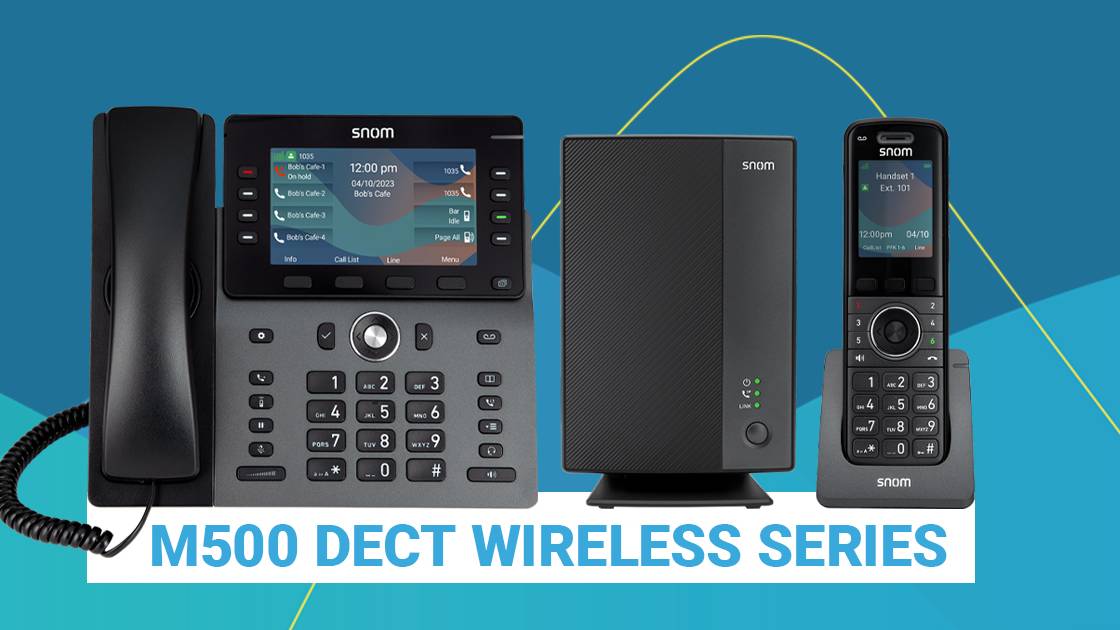
Telinta, a global leader in cloud-based VoIP switching and billing solutions, and Snom, a leader in communication technology, today announced a solution for automated provisioning of Snom M500 phones using Telinta’s softswitch platform. Telinta has developed Auto-Provisioning Profiles for the Snom M500 Pro DECT Multicell Base Station, the Snom M55 SIP DECT Handset, and the Snom M58 SIP DECT Deskset. The Snom M500 DECT Multicell Base Station, together with the M55 SIP DECT Handset and M58 SIP DECT Deskset, delivers a scalable, enterprise-grade wireless communications solution for businesses of all sizes. Designed for simple deployment and centralized management, the M500 family provides reliable mobility, exceptional HD voice quality, and secure SIP-based communications, making it an ideal solution for service providers delivering hosted voice and UC services. This cloud-based provisioning enables Internet Telephony Service Providers (ITSPs) worldwide to streamline and automate deployments of Snom phones via Telinta’s cloud-based softswitch platform.  Telinta’s solution is…

Zoom Spaces brings AI-powered Zoom Rooms to the hybrid workplace, turning VoIP meetings into actionable workflows. With smarter camera framing, transcripts, notes, digital signage, and hardware flexibility, Zoom aims to improve collaboration, reduce meeting admin, and help IT teams connect physical offices with intelligent communications across modern workspaces securely efficiently.

Smart glasses are entering VoIP and unified communications strategies, but privacy fears could define adoption. As European regulators scrutinize wearable cameras, vendors must prioritize visible recording alerts, GDPR-ready safeguards, and trust-first design. For enterprises, secure smart glasses may transform remote assistance, collaboration, and frontline communications without normalizing covert public recording

Firebird.ai’s new Nvidia-powered AI data centre in Armenia boosts regional compute capacity, opening fresh opportunities for VoIP providers, telecom operators, and cloud networks. With planned GPU expansion and emerging hubs in Kazakhstan, the project could reshape low-latency communications, backbone connectivity, AI automation, and digital infrastructure across the Caucasus for enterprises.

8×8’s record Q1 FY2027 revenue highlights accelerating demand for AI-powered VoIP, UCaaS, CCaaS, and CPaaS solutions. With usage-based services, voice APIs, messaging, and AI customer experience adoption surging, the results show how enterprises are shifting from static communications tools to intelligent, engagement-driven cloud communications platforms for scalable growth worldwide now.

Mapiq Groups shifts hybrid work from badge-based office attendance to purposeful collaboration, helping teams coordinate shared office days inside Microsoft Teams and Outlook. For VoIP, UC, and IT leaders, the update highlights how workplace management, collaboration tools, and real-time communication platforms can turn return-to-office policies into connected employee experiences today.