Smart glasses are moving from novelty devices into workplace technology conversations. Yet privacy concerns may shape their future faster than display quality or AI features.
European regulators are now examining how wearable cameras behave in public spaces. The debate gained momentum after Hamburg’s Data Protection Authority raised concerns about smart glasses and covert recording.
Speaking to UC Today, Jakub Zientala, Founder of Ungovern, said outright bans would likely miss the mark. He believes regulators should focus on safer product design instead.
“People are very mobile,” Zientala said.
“You can always bring this product with you from another country.”
That point matters for technology vendors and enterprise buyers. Smart glasses can cross borders easily through travel, online orders, or overseas retail. A local ban may only push usage into less visible spaces.
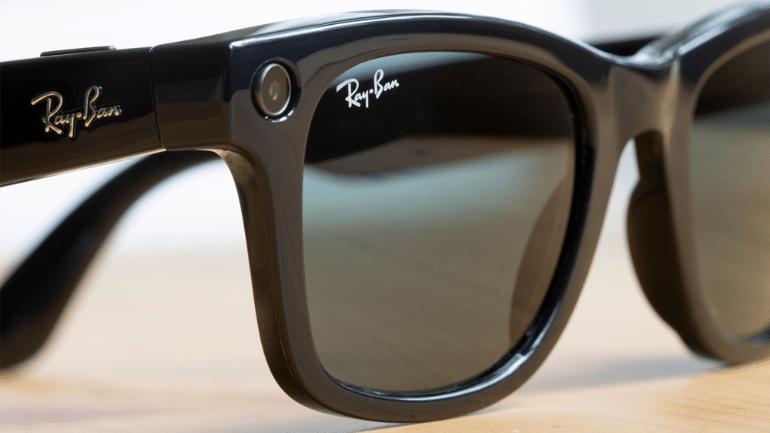
Instead, Zientala argues that manufacturers should make recording more obvious. That could include brighter recording lights, clearer alerts, or physical controls. For example, users might need to hold a button while filming.
These measures would not remove all risks. However, they could help bystanders understand when recording happens nearby. That awareness is central to public trust.
The privacy challenge sits inside Europe’s wider data protection environment, including GDPR. Yet enforcement remains complex. Data protection authorities work at national level, while devices sell worldwide.
For telecoms and collaboration leaders, the issue goes beyond consumer gadgets. Wearable AI tools could support field service, remote assistance, training, and frontline operations. They may also connect with enterprise communications platforms.
However, workers, customers, and citizens need confidence in these devices. If smart glasses feel like hidden cameras, adoption may slow. That risk affects both device makers and software vendors.
Zientala also highlighted safety concerns from women and vulnerable groups.
“A lot of women expressed their concerns that their bodily autonomy is being violated because people are recorded covertly and they don’t feel safe,” Zientala said. “This is absolutely a very valid concern.”
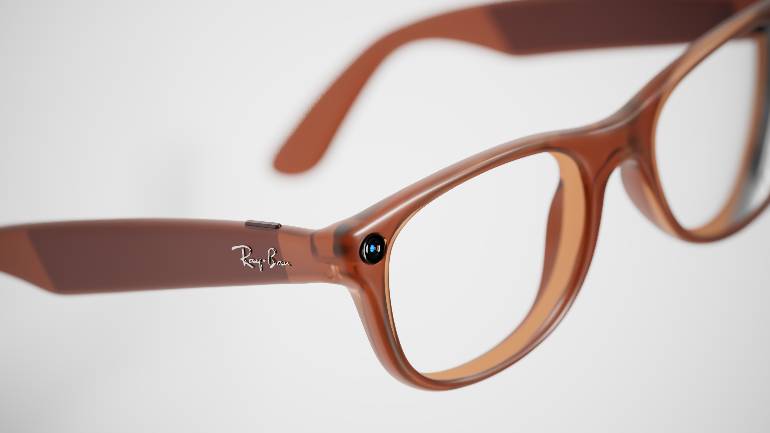
Meta already includes a recording indicator on its Ray-Ban smart glasses. Still, critics question whether the indicator is visible enough in daily settings. Others worry users could cover or bypass it.
Zientala said manufacturers must carry much of the responsibility.
“This is not only a European problem,” he said. “The bulk of responsibility should fall under producers.”
That approach could help innovation continue without ignoring social harm. Smart glasses may deliver useful productivity gains. But they must not normalize unnoticed recording in public areas.
The next phase will likely involve targeted rules, not sweeping restrictions. Regulators may require safeguards that users cannot easily disable. Vendors may also need clearer product labels and stronger privacy defaults.
For the communications industry, the message is clear. Wearable devices need trust built into their design. Without that trust, even powerful workplace tools may face resistance.