1925 Results

Open RAN

Search

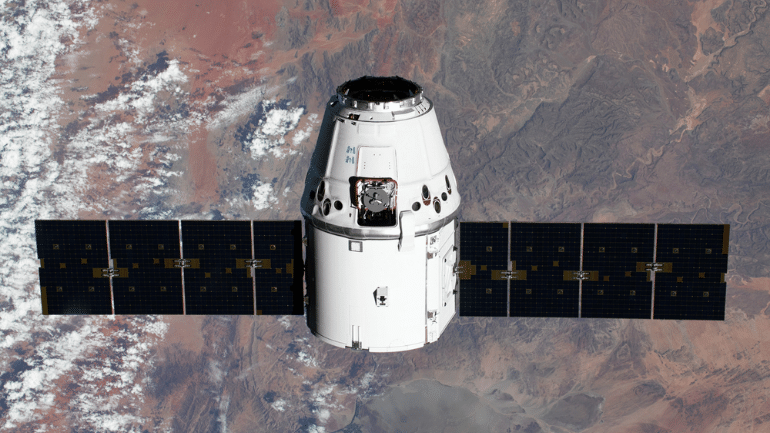
SpaceX’s 800 MHz spectrum deal could reshape Starlink Mobile, direct-to-device connectivity, and VoIP services across rural America. By blending satellite coverage with terrestrial wireless assets, Elon Musk’s network ambitions may pressure AT&T, Verizon, and T-Mobile while opening new possibilities for mobile VoIP, broadband bundles, and resilient business communications nationwide soon.

Europe’s gigabit broadband rules promise faster fibre connections but VoIP quality depends on what happens inside buildings With limited 6GHz Wi-Fi spectrum apartments may face congestion latency and dropped calls For reliable VoIP services regulators must align fibre deployment with stronger indoor wireless capacity ensuring gigabit performance reaches every device

Virgin Media O2 CEO Lutz Schüler warns BT’s £400m TalkTalk takeover could reshape the UK telecoms and VoIP market, reducing competition while protecting essential broadband and phone services. As regulators investigate, the deal raises urgent questions about service continuity, wholesale access, investor confidence, and the future of UK communications infrastructure.

The CMA’s scrutiny of Nexfibre’s 2 billion Netomnia deal could reshape UK broadband competition, full fibre rollout, and VoIP service delivery. As wholesale network access, Openreach rivalry, and investor confidence hang in balance, telecom providers must watch how remedies influence future connectivity, business VoIP performance, and nationwide fibre expansion strategies

DE-CIX and CVTelecom plan a South Atlantic data corridor linking Lisbon and São Paulo, creating faster, more resilient connectivity for Europe, West Africa, and Latin America. The route could improve VoIP performance, reduce latency, support cloud communications, and give carriers, enterprises, and service providers stronger global interconnection options for growth

Huawei’s new optical network solutions spotlight how AI-ready fibre can transform enterprise connectivity, VoIP performance, and real-time communications. From F5G-A to intelligent campuses and data centres, Huawei is pushing low-latency, high-bandwidth infrastructure that supports smarter operations, resilient cloud voice services, and future-ready industrial AI deployments across connected sectors globally today.

Telinta, Inc., a global leader in cloud-based VoIP switching and billing solutions for telecom service providers, today announced its AI Marketplace. This competitive marketplace gives Telinta customers access to three industry-leading AI providers: ElevenLabs, Vapi, Vida AI, and Vida Global. Using one or more of Telinta’s integrated AI providers, Telinta customers can easily offer agentic AI-enabled telecom services, including Hosted PBX and other business telephony.  AI capabilities that Telinta customers can offer include: AI Agents can provide pricing, schedule appointments, take orders and even remember previous orders from that caller. End users populate a KnowledgeBase to train the AI with what to say, and how to answer questions. Handle after-hours calls (or any hour calls) by sending an SMS with a web link to the proper information: links to place orders, check billing, make payments, apply for jobs, and more. Collect key details such as the caller’s name, contact info, and more.…


Nokia says AI will trigger a new network super-cycle, creating major opportunities for telecom operators, VoIP providers, 5G networks, edge computing, and optical transport. As AI workloads move closer to users, reliable low-latency connectivity, data centres, renewable power, and distributed infrastructure become critical to future communications services for businesses worldwide.