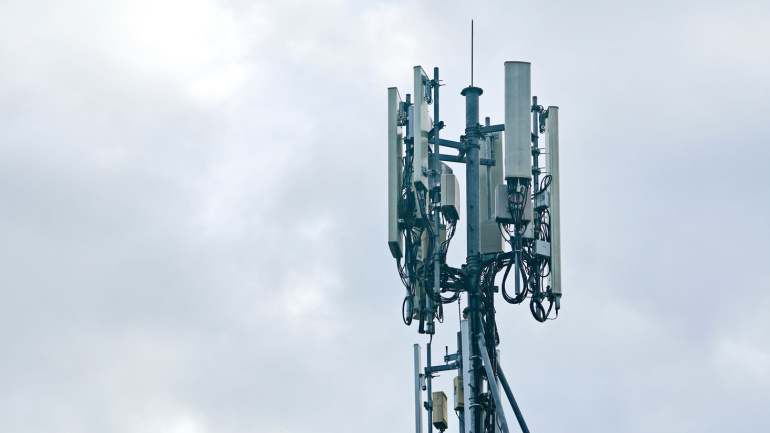
In an exciting move, Vodafone and Arm have united to innovate within the telecom industry, developing an adaptable platform with Arm-based processors ideal for Open RAN base stations. Their collaborative effort showcases both parties’ commitment in enriching the competitive Open RAN landscape, offering robust computational power for 5G services and improved energy efficiency. In addition, illustrious companies like SynaXG, Ampere Computing, and Fujitsu are lending their expertise to test and validate this technology. The joint venture also presents opportunities for Vodafone to reach its net-zero targets.

As Malaysia deliberates on Huawei’s engagement in their projected second 5G network, international eyebrows are raised. Clamor for transparency grows louder as the telecom world anticipates waves of change from this decision’s rippling effects.
In a pioneering collaboration, Samsung, Vodafone, and Orange have achieved a significant breakthrough by completing the first 4G calls over shared networks in rural Romania using Open RAN technology. This milestone, with the promise of integrating 2G and 5G, signifies a transformative step towards more efficient, sustainable, and innovative telecommunications.
Amazon’s Project Kuiper, which birthed two prototype satellites aimed to test potential satellite broadband service, operates similarly to Space-X’s Starlink and OneWeb. The venture is set to increase internet connectivity in remote areas using an extensive satellite constellation. Still, the delay in launching has welcomed accumulating competition. Rabid advancements by competitors including satellite direct-to-device technology pioneers and those concentrating on 5G NTN IoT services could tilt the scales. Would adopting the 5G NTN-compatible network give Project Kuiper a competitive edge? Or will the ongoing innovations by industry leaders overshadow it? However, underlying operational challenges and time constraints might hamper Amazon from contemplating a substantial shift in direction.
Telecom giants Vodafone and Orange are breaking new ground with the first real-life 4G calls over a common shared network in an Open RAN setting. Stemming from a landmark endeavor near Bucharest, this initiative provides a glimpse into the potential strengths of an Open RAN-based network. What’s more? The progress doesn’t halt at 4G. The duo are set to soon take down another first – operating 2G and subsequently 5G, over shared Open RAN sites. Both operators see this as a model for extending mobile networks throughout rural Europe.
Colt Technology Services’ Annual Digital Infrastructure report reveals growing business prospects for partners, especially in AI-compatible tech like 5G, agile connectivity, and edge. Amid global uncertainty, there’s a solid market for partners providing consumption-based networks. However, tensions exist between IT chiefs and partners over integration and lack of APIs. This study highlights the evolving role of partners, suggesting this could be an opportune moment to overcome challenges and embrace the digital revolution progress.
5G – a transformative force reshaping engagement and innovation parameters, and serving as an unbeatable tool in the delivery of public services. A recent discussion convened by industry experts highlighted the profound ways 5G is set to transform public service delivery. The prime objective? To nurture an environment of growth through collaboration, aligning 5G deployments with societal needs and creating impactful outcomes. Public authorities are encouraged to adapt, to harness the power of 5G and transform public service delivery. The journey of 5G is only just beginning.
Intermedia Cloud Communications has expanded free international calling for North America-based Intermedia Unite® users to 33 countries. This enhancement offers substantial cost-savings for businesses, improved global connectivity, and enhanced productivity. Mark Sher, Senior Vice President of Product Marketing at Intermedia, emphasized their commitment to delivering efficient communication solutions.
Deutsche Telekom and Mavenir are making strides in 5G network slicing technology. A “5G Live Video Production Service” now allows reliable HD video streaming over 5G, even via smartphones. They’ve also demonstrated a proof-of-concept for on-demand 5G network slicing services, streamlining customization and quality assurance. These innovations offer agility, efficiency, and new revenue prospects.
UK’s communications regulator, Ofcom, has initiated an in-depth examination of the market dominance by Amazon and Microsoft in the cloud infrastructure services space, a move raising concerns about market competition. The regulator has tasked the Competition and Markets Authority with evaluating potential challenges for consumers in switching cloud providers due to issues like high data transfer fees and technical barriers. The outcome of this audit could have potential implications for these tech giants and impact the future landscape of the cloud services domain.