At the Mobile World Congress 2026 in Barcelona, Moso Networks is revolutionizing the way we perceive private 5G systems. With its Intelligent Management Platform, businesses are finding it easier than ever to deploy 5G, minimizing complexity and enhancing connectivity. By collaborating with Qualcomm, Moso offers SoC-based radios, simplifying deployment similar to Wi-Fi access points. Their strategic partnerships, like with Druid, further streamline rapid 5G network implementation. Leveraging private 5G’s capabilities can transform sectors such as logistics and education, while enhancing real-time data processing in agriculture and manufacturing. Moso is setting new standards for accessible private 5G deployment.

India’s ambitious 5G expansion project is projected to attract 1 billion subscribers by 2031, revolutionizing the telecom landscape. With over 500,000 5G base stations covering 99.9% of districts, the nation anticipates a significant shift as subscriptions rise from 400 million to 1 billion. This surge underscores India’s technological strides.
In an age where robust connectivity defines our daily lives, VOIP users demand seamless performance. MediaTek’s hybrid home gateways offer a game-changing solution. By integrating multiple access technologies, these devices ensure uninterrupted networking. Such innovation is crucial for VOIP services that underpin remote work, healthcare, and education, safeguarding reliable communication lines.
The telecom industry faces a turning point as 5G emerges and 6G approaches. For telecom operators, adopting agile VoIP solutions could be transformative. Traditional systems are often expensive and cumbersome, hindering innovation. By embracing cloud-native, no-code platforms, operators can boost revenue, streamline operations, and enhance customer satisfaction, staying competitive.
Europe’s digital infrastructure wave is captivating stakeholders, especially data centers. A €1.7 billion Deutsche Glasfaser deal highlights this boom amid complex AI Gigafactory delays. As demand for cloud computing and VoIP services rises, data center investments promise growth despite energy challenges. Fibre networks further boost connectivity, vital for VoIP advancements.
Microsoft’s significant $19 billion CAD investment in Canada’s AI and cloud infrastructure from 2023 to 2027 aims to enhance VoIP services and cloud capabilities. With plans to bolster Microsoft Azure data centers, this expansion promises cutting-edge VoIP solutions, sustainable practices, and digital sovereignty, reshaping Canada’s role in the global AI landscape.
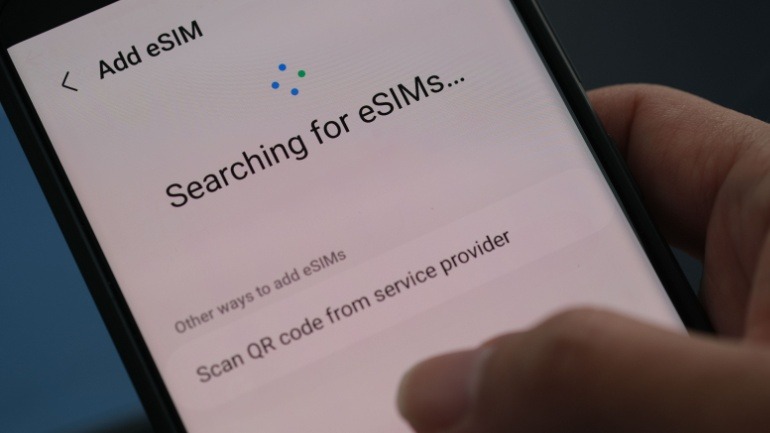
Global tech strategists, Juniper Research, have released a report on the travel eSIM market, revealing a significant shift that could impact VoIP offerings. As the competition heats up and revenues decline, providers are prompted to think beyond traditional models. Embracing bundled services can attract VoIP customers and enhance overall value.
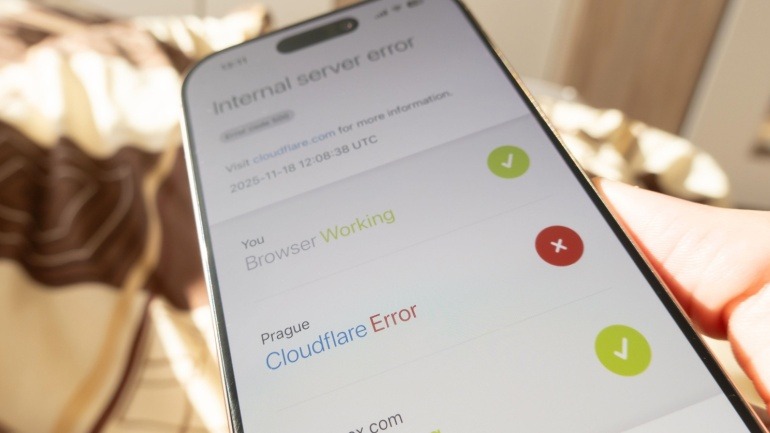
The Cloudflare outage highlights critical issues in VoIP and enterprise infrastructure’s reliance on a few providers. This dependence can lead to vulnerabilities, challenging assumptions about reliability. Businesses may need to rethink strategies to avoid single points of failure. Resilience, modernization, and regulatory focus are essential to ensure stability in VoIP services.
Amid Black Friday’s digital communication surge, Sinch reported a 144% increase in AI-powered Rich Communication Services. Businesses increasingly favor rich messaging formats, blending traditional channels like SMS and email with interactive VoIP solutions. This shift underscores the essential role of AI in creating standout conversational experiences in competitive markets.
BT Group is navigating market challenges under CEO Allison Kirkby, with an emphasis on “solid delivery” in voip services and network development. Despite competitive pressures, BT is transitioning to a more asset-light strategy, focusing on innovation and strategic partnerships. Cybersecurity remains a top priority as BT invests in robust protection measures.