Vodafone and Ericsson are testing AI-powered real-time translation for mobile voice calls, signaling a VoIP innovation. Using Microsoft language models and automatic language detection, the network-based service could make multilingual calling seamless. For telecom operators, AI voice translation promises smarter communications, new revenue opportunities and competition in next-generation VoIP services

Vodafone’s latest report warns that Internet shutdowns are rising worldwide, threatening VoIP connectivity, emergency communications, business continuity, and digital access. As operators advance satellite IoT, AI network automation, drone sensing, and resilient interconnection, the telecom industry faces a critical challenge: keeping voice, data, and essential services online during crises globally.
Orange has launched Europe’s first Telesat Lightspeed LEO satellite gateway in France, boosting resilient VoIP connectivity for enterprises, defense, and remote operations. By linking satellite, fiber, and submarine networks, Orange strengthens mission-critical communications, data sovereignty, and backup voice services as next-generation low-Earth orbit telecom services approach commercial rollout in 2028.
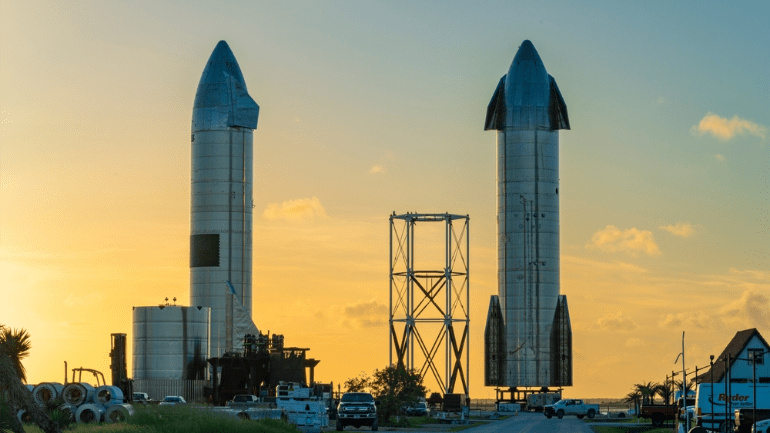
SpaceX’s next Starship flight could boost Starlink broadband with 26 high-capacity V3 satellites, adding massive bandwidth for rural connectivity, mobile service, and future direct-to-device voice. For VoIP providers and users, stronger low-Earth orbit capacity may mean better call quality, lower latency, and expanded satellite internet coverage where fiber cannot reach.
Europe’s telecom shakeup is accelerating as United Internet, 1&1, Ionos and Virgin Media O2 pursue cost cuts while Deutsche Telekom expands multicloud services and Eutelsat advances OneWeb launches. For VoIP providers, cloud communications teams and connectivity buyers, these moves signal tighter margins, evolving infrastructure strategies and service reliability challenges ahead
SpaceX’s Starlink direct-to-device roadmap could reshape VoIP, mobile connectivity, and 5G communications by bringing satellite-powered smartphone service to market in 2028. With plans for low-Earth orbit coverage, spectrum flexibility, and carrier alternatives, the move may reduce dead zones and redefine voice, roaming, and broadband access for global enterprises and users
AT&T’s fiber and 5G overhaul could redefine VoIP connectivity, replacing costly copper with faster, unified networks. With expanded fiber, stronger wireless spectrum, and satellite support, AT&T aims to deliver reliable business VoIP, cloud communications, and always-on broadband experiences for enterprises and consumers navigating the next decade of connected digital services
Digital Realty’s new 6.4MW Nairobi data centre strengthens East Africa’s cloud, telecom, and VoIP infrastructure. With 100+ network connections, internet exchanges, and satellite resilience, NBO2 boosts low-latency hosting, interconnection, and hybrid IT, giving carriers, enterprises, and VoIP providers faster, more reliable routes while supporting mission-critical communications regionwide.
Louisiana’s BEAD broadband expansion is shifting to construction, bringing faster fiber, fixed wireless, and satellite connectivity to 15,000 locations by 2027. For rural businesses, improved broadband means stronger VoIP phone systems, cloud communications, telehealth, remote work, and digital growth as providers race to close critical connectivity gaps for Louisiana communities
Fairphone’s €50 million funding push highlights rising demand for durable smartphones as telecom innovation accelerates across EMEA. From quantum-safe satellite links and AI network automation to Ericsson fintech, Ooredoo 5G gains and DSA oversight, these developments shape mobile connectivity, VoIP services and secure digital communications for operators, enterprises and consumers