149 Results

Starlink

Search

SpaceX is accelerating Starlink Mobile’s push into wireless and VoIP-ready connectivity as the FCC reviews its Grain Management 800MHz spectrum acquisition. Low-band coverage could strengthen rural mobile service, indoor calling, satellite-to-phone access, and future VoIP communications, creating a hybrid network that may disrupt carriers and expand reliable broadband voice nationwide
Starlink’s faster broadband is reshaping VoIP connectivity, with Ookla reporting major upload gains and stronger nationwide performance ahead of V3 satellite launches. As urban adoption grows and dynamic pricing emerges, businesses and remote users must weigh improved voice quality, uptime, and latency potential against uncertain internet costs for cloud communications.

SpaceX’s board shakeup comes as Starlink accelerates satellite broadband, direct-to-device connectivity, and 5G mobile expansion. Don Harrison’s departure raises fresh telecom, VoIP, and network strategy questions, with operators watching how satellite communications could reshape rural coverage, emergency calling, mobile competition, and the future of voice services across underserved markets worldwide.

Europe’s satellite connectivity battle is heating up as SpaceX and Starlink target mobile spectrum for direct-to-device services reshaping VoIP, cloud communications, and telecom competition. European operators are racing to build alternatives, while AI networks, 5G sensing, and tower sharing redefine connectivity strategy for businesses, providers, and policymakers across Europe today.

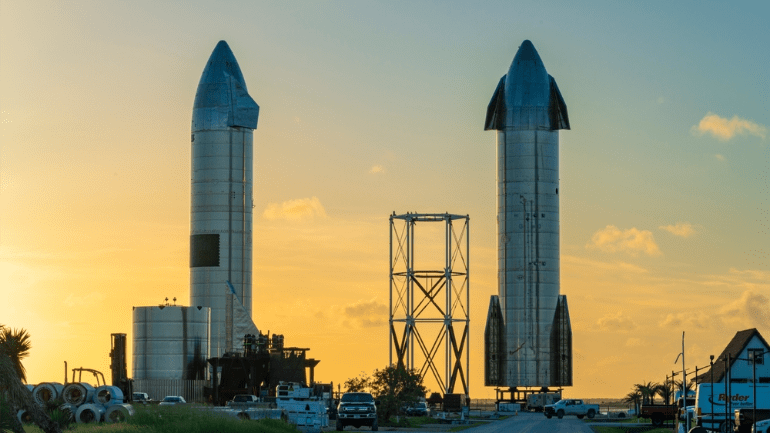
SpaceX’s next Starship tower catch could redefine satellite broadband economics, accelerating Starlink capacity, direct-to-device mobile service, and enterprise connectivity. For VoIP providers, cheaper reusable launches may improve low-latency satellite internet, global voice coverage, and resilient communications, while spectrum, MVNO partnerships, and subscriber growth remain critical challenges for future network expansion.

Starlink’s satellite broadband ambitions could reshape mobile and VoIP connectivity as SpaceX adds spectrum and direct-to-device satellites. While Verizon, T-Mobile and AT&T retail networks remain strong, Starlink may find its biggest opportunity in rural VoIP coverage, carrier partnerships and resilient mobile service beyond traditional cell towers and nationwide wireless gaps.

SpaceX’s next Starship flight could boost Starlink broadband with 26 high-capacity V3 satellites, adding massive bandwidth for rural connectivity, mobile service, and future direct-to-device voice. For VoIP providers and users, stronger low-Earth orbit capacity may mean better call quality, lower latency, and expanded satellite internet coverage where fiber cannot reach.

SpaceX’s Starlink direct-to-device roadmap could reshape VoIP, mobile connectivity, and 5G communications by bringing satellite-powered smartphone service to market in 2028. With plans for low-Earth orbit coverage, spectrum flexibility, and carrier alternatives, the move may reduce dead zones and redefine voice, roaming, and broadband access for global enterprises and users

SpaceX’s Starlink mobile network plan could reshape VoIP connectivity by combining direct-to-cell satellites with terrestrial small cells. Targeting dead zones, rural coverage, and always-connected devices, Starlink aims to challenge AT&T, Verizon, and T-Mobile while creating new opportunities for satellite VoIP, 5G backhaul, emergency communications, and next-generation mobile broadband services nationwide