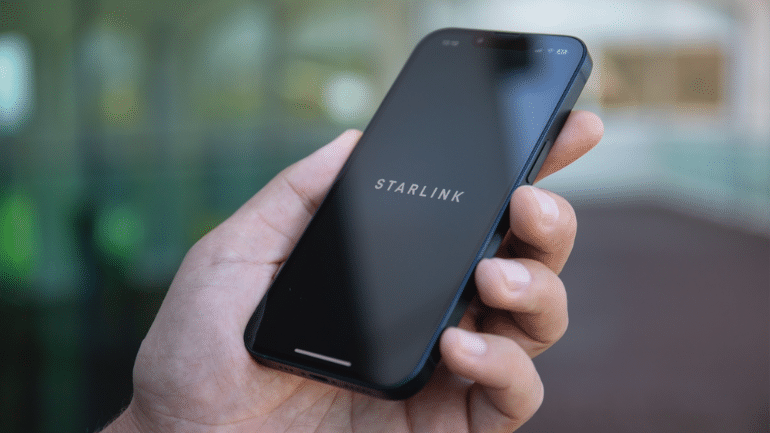
US telecom retail remains sturdy, even as major carriers trim company-owned stores. That stability frames a bigger question for satellite broadband. Can Starlink become a national mobile operator, not just a coverage partner?
According to Wave7 Research, Verizon, T-Mobile and AT&T operate just under 17,000 stores. That count has fallen by about 400 since spring 2025. Yet prepaid retail keeps growing across Metro, Cricket, Boost and Total Wireless.
Meanwhile, SpaceX has moved closer to mobile ambitions. It announced plans to acquire 800 MHz spectrum. It also holds 2 GHz mid-band spectrum. Together, those bands could support broader reach and added capacity.
In addition, the FCC approved plans for 15,000 direct-to-device satellites. Direct-to-device means phones connect through satellites, without nearby cell towers. This could help rural areas, highways, and disaster zones.
Still, running a national mobile service requires more than satellites. Operators need billing systems, support teams, retail access, and strong device relationships. They also need millions of users to spread network costs.
History shows how hard this path can be. Dish invested heavily in a national wireless buildout. LightSquared generated major attention before facing serious hurdles. Even Google was once linked to possible network plans.
The US market also looks very different today. Mobile service already reaches nearly everyone. National operators report coverage above 99%. Customer churn remains low, often near 1% or below.
That makes customer switching difficult. New entrants must offer clear value. Lower prices alone may not overcome strong networks and familiar brands.
Starlink also lacks a broad owned retail presence. Its broadband service sells through selected partners. Wave7 Research found availability through eight retail partners. It also confirmed Starlink Internet sales through 2,000 Boost Mobile stores.
That gives Starlink useful exposure. However, broadband sales differ from mobile service support. Phone customers expect fast activation, device help, and local assistance.
At the same time, retail remains important across telecom. Walmart, Costco, Sam’s Club, and Best Buy still drive wireless sales. These channels help operators reach buyers without owning every storefront.
Starlink may not need thousands of stores to matter. It could sell capacity to carriers. It could also partner with mobile operators for remote coverage. That model may fit its satellite strengths better than direct competition.
The key issue is business design, not only technology. Satellite mobile service must deliver useful performance at workable prices. For now, Starlink’s strongest role remains coverage where terrestrial networks fall short. Whether it becomes a full mobile rival remains an open industry question.