Australia has passed a major mobile coverage law for outdoor connectivity.
The Universal Outdoor Mobile Obligation, or UOMO, targets nationwide voice and text access. It applies to Telstra, Optus and TPG Telecom. These operators must provide baseline outdoor mobile services across the country.
The measure addresses a long-standing coverage gap. Most populated areas already receive mobile service. Yet only about one-third of Australia’s landmass has coverage today. That leaves many rural users exposed during travel, work and emergency situations.
“This is an important update to the universal services framework that makes sure our laws better reflect the way Australians communicate today,” Communications Minister Anika Wells said in a statement.
“The new laws also enable the government to set minimum performance and reliability standards for mobile carriers to ensure they are delivering the services that Australians need and deserve,” she added.
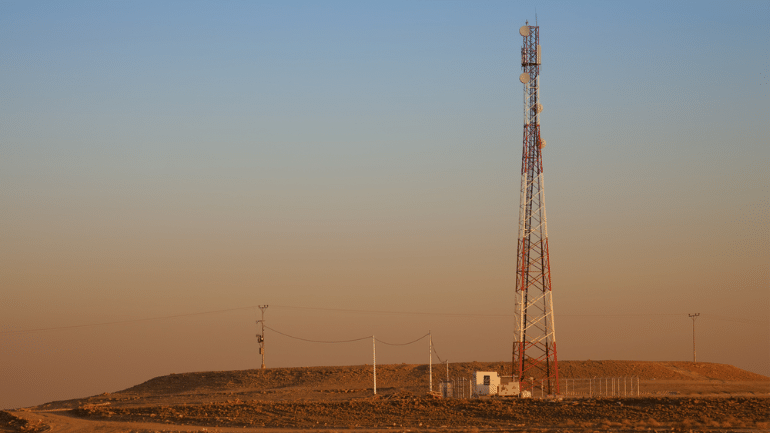
The mandate could reshape Australia’s rural telecom model. Operators may combine existing mobile networks with direct-to-device satellite systems. This approach connects ordinary mobile devices through low-Earth orbit satellites. It removes the need for traditional towers in some remote areas.
For telecom engineers, the plan looks both ambitious and practical. Satellite-to-phone service can extend reach across deserts, farms and coastal routes. It can also support basic safety needs when terrestrial signals disappear.
However, operational details remain unsettled. The law starts on 1 December 2027. The government may adjust or defer requirements until 2030. That flexibility reflects the current state of satellite readiness and commercial deployment.
Luke Coleman, chief executive of the Australian Telecommunications Alliance, warned that key work remains.
“There’s still a few things that the industry needs to get through before this becomes a normal operational commercial service,” Coleman said, as quoted by the Australian Broadcasting Company.
Spectrum allocation also presents a challenge. Satellite mobile services need suitable frequencies. Network integration will also require careful planning. Australia has no current plan for its own low-Earth orbit satellite system.
That means carriers must negotiate commercial satellite deals. Those agreements may prove difficult in unprofitable coverage areas.
“We are talking about services in areas that are by definition not commercially viable,” Coleman said. “So, a real part of the challenge is how these can be sustainably funded.”
Regional groups welcomed the law, especially for agriculture and emergency response. Still, they want stronger safeguards. NSW Farmers said reforms must deliver reliable and affordable service. The group also called for continued investment in regional infrastructure.
Consumer advocates also noted gaps. ACCAN said the law lacks immediate rules for compensation and roaming. Domestic roaming would let users switch networks automatically outside their carrier’s footprint.
“The UOMO Bill is a fundamentally vital connectivity safety net that will help Australians share the benefits of cutting-edge satellite technology,” ACCAN CEO Carol Bennett said. “But make no mistake – there are many missed opportunities here.”
The law marks a significant step for universal mobile access. Its success now depends on funding, standards and execution.