Econet Wireless Zimbabwe is revolutionizing AI accessibility by launching the Yamurai AI chatbot, setting the stage for advanced business solutions. This marks a shift towards comprehensive AI engagement beyond technical sectors, even amidst infrastructure challenges. By leveraging Cassava AiCloud resources, Econet enhances AI capabilities to benefit users and businesses significantly.
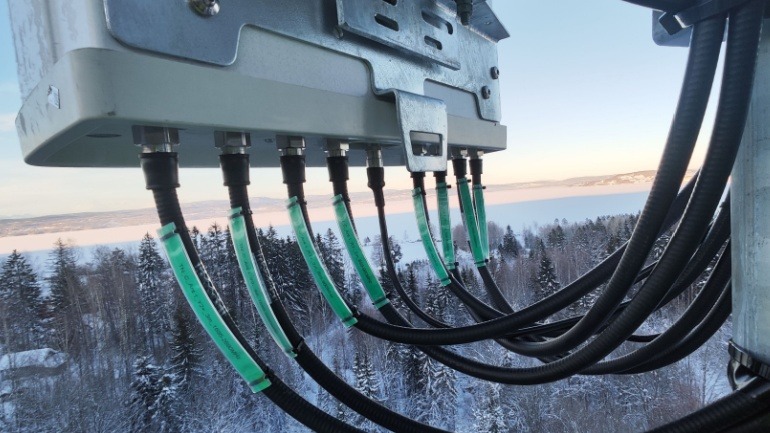
The radio access network market is stabilizing, offering a promising outlook after past downturns. While the RAN growth remains steady, the mobile core network shows impressive gains, especially with 5G developments. Companies like Ericsson and Nokia are key players, advancing telecom infrastructure with innovative VoIP solutions, paving the way for future growth.
The Radio Access Network market continues to thrive in 2025, with key players like Huawei, Ericsson, Nokia, ZTE, and Samsung steering the industry forward. The RAN sector is evolving through artificial intelligence and cloud-native technologies, especially in Asia-Pacific. Stay updated with the latest trends and insights in VoIP solutions.
Hostinger Horizons now offers built-in ecommerce, making it easier than ever to launch an online store with no coding. Entrepreneurs can manage products, payments, and shipping right from the AI-powered platform. With support for up to 600 products and no extra fees, it is the simplest way to turn ideas into fully functional shops.
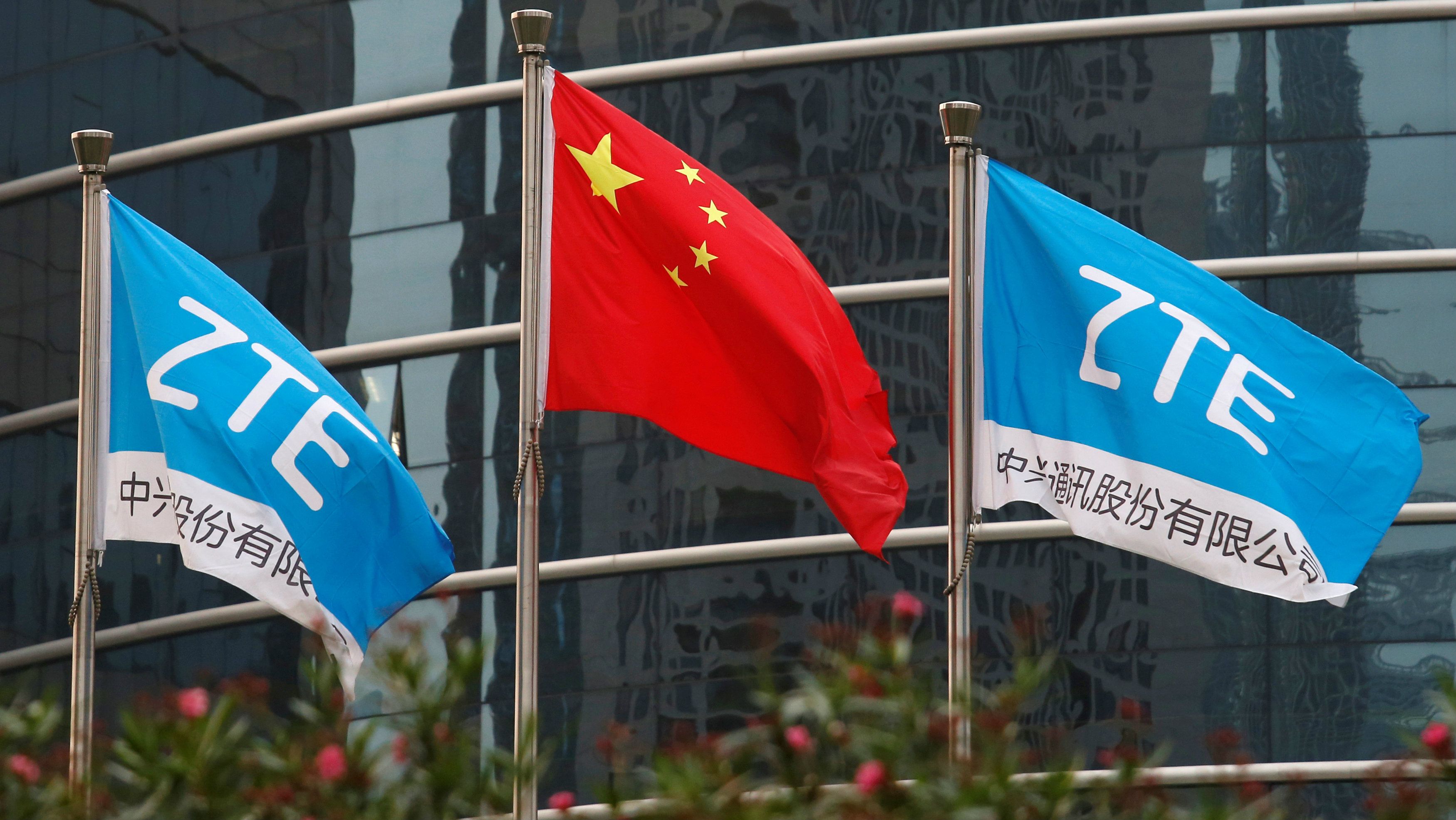
U Mobile has partnered with Telekom Malaysia to accelerate 5G deployment using TM’s extensive fiber network. With Huawei and ZTE as key tech partners, U Mobile aims for rapid nationwide coverage, focusing on high demand areas while maintaining a wholesale access deal with DNB.
U Mobile plans to exit DNB and build its own 5G network, aiming to cover 80 percent of Malaysia’s populated areas within a year. Partnering with Huawei and ZTE, the company will focus on advanced 5G features and enhanced indoor coverage while continuing to offer 5G services through a wholesale agreement with DNB.
India’s telecom operators must report all Chinese-made equipment still active in their networks, as part of a security review targeting firms like Huawei and ZTE. The move aims to limit future reliance on untrusted vendors while allowing existing systems to operate under strict oversight amid rising geopolitical and trade tensions with China.
U Mobile is ambitiously spearheading Malaysia’s second 5G network rollout, notably without state funding or local partnerships. Led by Tan Sri Vincent Tan, the company aims to deploy 5G within 15 to 18 months.
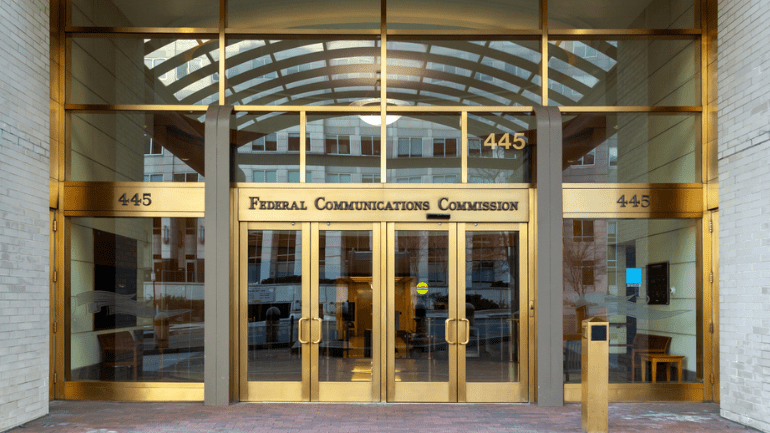
The FCC Chairwoman Jessica Rosenworcel is advocating for a fast-tracked spectrum auction to replace Chinese telecom equipment, addressing national security risks. This urgent move, linked to cybersecurity threats like the Salt Typhoon attack, is pivotal for securing telecom networks.
Congress is tackling the challenge of replacing Chinese telecommunications equipment in U.S. networks by funding the “rip and replace” initiative. This boosts efforts to remove potential threats and secure rural telecommunications connections.